0:00
In the winter of 1886, temperatures
0:02
plunged to 60° below zero. It was a cold
0:06
that killed everything. 90% of all
0:09
cattle on the northern plains froze to
0:11
death where they stood. Historians call
0:14
it the big die-up. But one man's herd
0:17
survived completely untouched. His
0:20
neighbors had called him a madman
0:22
because while they spent the summer
0:23
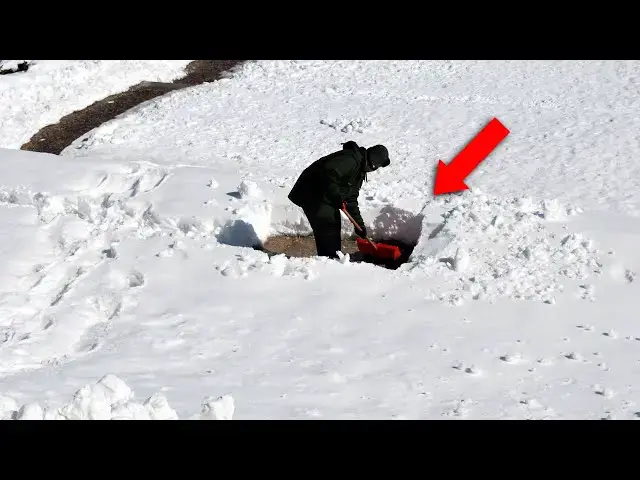
buying cattle, he spent it digging. But
0:26
before we start our story, make sure you
0:28
smash that like button, subscribe if you
0:30
haven't, and hit that notification bell
0:32
so you won't miss any new stories. The
0:35
Dakota territory of the 1880s was a
0:38
place of explosive speculative wealth.
0:41
Eastern investors poured millions into
0:43
the cattle boom. The philosophy was
0:45
simple. More cattle, more grass, more
0:48
money. The prevailing wisdom insisted
0:51
that cattle were tough. They could
0:53
survive the harsh prairie winters by
0:55
foraging through the snow just as the
0:57
buffalo had done for centuries. It was
0:59
called the free range system. It meant
1:01
maximum profit with zero infrastructure
1:03
cost. And the king of this system was a
1:06
man named Cornelius Wade. He controlled
1:09
over 50,000 acres. His herds numbered in
1:12
the thousands. He was the pinnacle of
1:14
territorial wealth and he believed
1:17
building shelters was a waste of money.
1:20
Then Silas Brennan arrived and he saw a
1:23
fatal flaw in the system. Brennan wasn't
1:26
a cattleman. He was a mining engineer
1:28
from Pennsylvania. He understood
1:30
structural integrity. He understood
1:32
insulation and he understood what
1:35
happens when you are unprepared for the
1:39
All the nature's own cows studied the
1:42
land. He consulted with the local
1:44
Makakota tribes. The elders warned him.
1:47
They told him of winters so severe, so
1:49
brutal that even the buffalo sought
1:52
shelter in deep ravines. The other
1:54
ranchers, rich and confident, dismissed
1:57
these warnings. They called it primitive
1:59
superstition. Brennan, the engineer,
2:02
called it data. He bought a modest ranch
2:05
on the Cannonball River. And then he did
2:07
something that baffled the entire
2:09
territory. He started digging. All
2:12
spring, all summer, he and a small team
2:15
excavated. His neighbors were confused.
2:18
The territorial press, the Bismar
2:20
Tribune, wrote editorials about him.
2:22
They called his project an obsession
2:24
bordering on madness. They questioned
2:27
why any rational man would waste a
2:29
fortune digging holes instead of buying
2:32
livestock. But Brennan wasn't just
2:34
digging holes. He was building. He was
2:37
an engineer. He was constructing a
2:39
single massive underground complex. It
2:42
had reinforced support beams. It had
2:45
carefully calculated drainage systems.
2:47
It had ventilation shafts that extended
2:49
deep into the prairie soil. It looked
2:51
more like a mine than a ranch. As autumn
2:54
approached, the project was finished.
2:56
From the surface, it looked like
2:57
nothing, just a modest mound of earth
2:59
with a few wide entrances. It was almost
3:01
invisible. His neighbors, like Cornelius
3:04
Wade, moved their thousands of cattle to
3:06
their winter grazing grounds, confident
3:07
and unconcerned. The first snows of
3:10
November began to fall. The air grew
3:12
sharp. The ranchers were optimistic.
3:13
They were completely unaware that they
3:15
were standing on the edge of the
3:16
greatest natural disaster in American
3:18
livestock history. On December 15th, the
3:21
cold descended. It was not just weather.
3:23
It was a physical killing force.
3:25
Military stations recorded 40° below
3:28
zero. The wind was so sharp it sounded
3:30
like breaking glass. On Cornelius Wade's
3:32
massive ranch, the cattle began to die.
3:34
They died in hours. The snow buried the
3:36
prairie grass beneath a layer of ice so
3:39
thick not even the strongest bulls could
3:40
break through. The freerange philosophy
3:43
was a fatal fantasy. Wade, his empire
3:45
collapsing, sent desperate telegraph
3:47
messages. His 50,000 acres had become a
3:49
frozen wasteland. The territorial
3:51
capital received reports of similar
3:53
devastation from every direction. The
3:55
big dieup had begun. But 15 mi south,
3:58
Silas Brennan opened the doors to his
4:00
earthn mound. He moved his cattle down
4:02
the wide, gentle ramps. They filed into
4:04
the massive underground chambers. The
4:06
animal settled onto beds of dried grass.
4:09
Above ground, the temperature continued
4:10
its relentless drop toward 50, then 60°
4:13
below zero. But in Brennan's shelter,
4:15
the temperature held steady at 20° above
4:17
zero. His engineering had worked. The
4:20
earth burnmed walls captured and held
4:21
the cattle's own body heat. His
4:23
carefully designed ventilation shafts,
4:25
drew the deadly cold air through deep
4:27
earthn passages, warming it to a
4:28
survivable temperature before it ever
4:30
reached the animals. He had created a
4:32
pocket of life buried beneath a frozen
4:34
wasteland where nothing else could
4:35
survive. When March finally came, the
4:37
first break in the weather revealed the
4:39
full scope of the catastrophe. The
4:40
prairie was a battlefield, a graveyard.
4:42
Cornelius Wade rode across his vast
4:44
land. He had lost over 80% of his herd.
4:46
The territorial cattle industry, worth
4:48
millions, had been completely destroyed.
4:50
The freerange system was dead. It was
4:52
Wade himself who first spotted the
4:54
anomaly. Riding south, he saw something
4:56
in the distance that seemed impossible.
4:58
Movement. He spurred his horse, driven
4:59
by a desperate curiosity. He rode to the
5:02
Cannonball River and he saw Brennan's
5:03
herd. They were healthy, strong,
5:05
well-fed. They looked as if they had
5:07
just spent the winter in a warm barn.
5:09
The man he had dismissed as a madman was
5:11
the only one left standing. Wade
5:12
examined the complex. He saw the steam
5:14
rising from the ventilation shafts. He
5:16
felt the warm air coming from the
5:18
entrances. He finally understood. The
5:20
engineering was brilliant. The obsession
5:22
was in fact the only solution. Word
5:24
spread like wildfire. The man who had
5:26
been called crazy was now a visionary.
5:28
Cowboys and ruined ranchers made
5:29
pilgrimages to Brennan's operation. They
5:31
came to see the impossible. The
5:33
territorial livestock inspector who had
5:35
once questioned the project now measured
5:37
the tunnels with a new respect. 10 years
5:39
later, the Dakota Prairie was a
5:41
different landscape. It was dotted with
5:43
new earthn mounds, underground cattle
5:45
complexes, all modeled on Brennan's
5:47
revolutionary design. The banks would no
5:48
longer give loans to ranchers who didn't
5:50
have engineered shelters. The man who
5:52
spent a summer digging holes while his
5:54
neighbors bought cows had not just saved
5:56
his own herd, he had saved the future of