Up next in 10



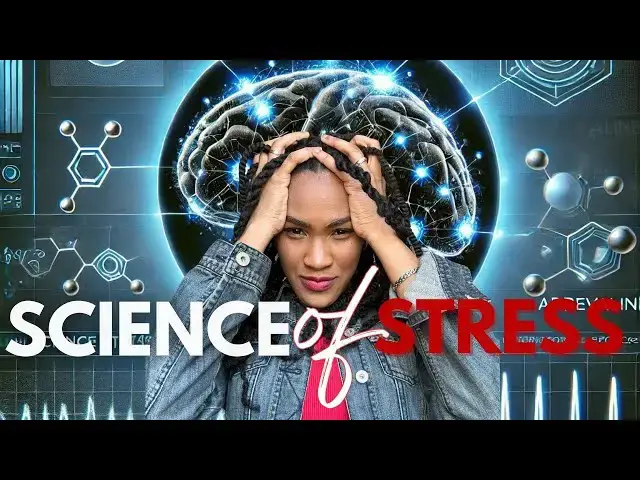
Most of us think stress is dangerous and something to be avoided at all costs. But what if we’ve been thinking about it all wrong? Science shows that stress can actually make you stronger, sharper, and more successful—IF you know how to use it.
In this video, we break down:
✅ The Science of Stress: What actually happens in your body
✅ Good Stress vs. Bad Stress: How to tell the difference
✅ How to Rewire Your Mindset About Stress (Backed by Harvard research!)
✅ 5 Powerful Ways to Make Stress Work FOR You!
🔥 Don’t let stress control you—learn how to harness its power!
[Disclaimer: The information provided in this video is for educational purposes only and should not replace professional medical advice.]
I'm Rushana, I have a Medical Degree and a Master's in Public Health. But more importantly, I have an unwavering desire to help you live a healthier, more fulfilled life.
And guess what? You're probably only a few simple solutions away! Subscribe to follow along and I'll help you find them.
As promised, here are the links to the products mentioned in the video:
***Goal Setting Guide & Journal: Prompts, Tips & Tracker To Set Life-Changing Goals https://amzn.to/48KV4pD
Show More Show Less View Video Transcript
0:00
most of us immediately think of stress
0:02
as something to always avoid something
0:05
that's extremely harmful that we should
0:08
eliminate at all costs but what if I
0:11
told you that stress isn't inherently
0:14
bad in fact stress can be a powerful
0:17
tool if we only know how to use it today
0:22
we're diving into the science of stress
0:25
and how we can turn it into an ally
0:28
instead of an enemy so what exactly is
0:31
stress Dr Hans celier was a pioneering
0:35
endocrinologist who is known as the
0:37
father of stress research he first
0:40
defined stress as the non-specific
0:43
response of the body to any demand for
0:46
change in simple terms stress is how we
0:50
respond to any situation that requires
0:54
us to make an adjustment it could be a
0:57
work deadline an important exam or even
1:00
an exciting opportunity stress is simply
1:03
our body's way of preparing to deal with
1:05
that situation stress isn't just a
1:08
feeling it triggers a powerful chain of
1:11
reaction in our body designed to help us
1:15
rise to the challenge but how exactly
1:18
does the process work and why does
1:20
stress sometimes feel
1:23
overwhelming rather than helpful the
1:25
biochemistry of stress to answer this
1:28
question we need to take take a closer
1:30
look at what stress really does to our
1:33
bodies when we Face a stressful
1:35
situation our brain releases hormones
1:38
like adrenaline and cortisol these
1:40
hormones help us Focus improve our
1:43
memory and increase our strength
1:46
basically they're preparing us for
1:48
Action adrenaline increases our heart
1:51
rate and makes us more alert cortisol
1:54
also known as the stress hormone helps
1:57
us cope with regulating energy it's a
2:00
survival mechanism but when stress
2:02
becomes chronic too much cortisol can be
2:05
harmful before we proceed let's discuss
2:08
the two types of stress you stress and
2:11
distress UST stress is the good type of
2:14
stress the kind that pushes you to
2:16
improve your performance it's shortterm
2:18
and energizing imagine preparing for a
2:21
job interview or racing to meet an
2:23
important deadline the rush of
2:25
adrenaline that's useless working in
2:28
your favor to sharpen your focus and
2:30
drive you to take action this stress on
2:33
the other hand is bad stress it happens
2:36
when challenges overwhelm or ability to
2:38
cope instead of feeling motivated we end
2:41
up feeling trapped anxious and exhausted
2:45
over time this stress can lead to
2:47
burnout anxiety high blood pressure and
2:50
other health issues you've probably
2:52
already heard about acute stress and
2:54
chronic stress but here's where it gets
2:57
interesting acute stress is short-lived
2:59
and triggered by immediate challenges
3:02
interestingly acute stress can be either
3:05
you stress or distress depending on how
3:08
you interpret and handle it let me give
3:10
you an example the excitement before a
3:12
big performance that's acute stress
3:15
fueling you but if you feel completely
3:18
overwhelmed and panicked that's acute
3:21
stress turning into distress chronic
3:24
stress however is an entirely different
3:26
story this is the long-term stress often
3:30
linked to ongoing struggles a toxic work
3:33
environment Financial challenges or a
3:36
strained relationship unlike acute
3:38
stress which comes and goes chronic
3:40
stress keeps your body in a constant
3:43
state of tension which can wear you down
3:46
both mentally and physically in fact
3:49
Studies have shown that stress can
3:50
trigger acute conditions such as high
3:53
blood pressure spikes gastrointestinal
3:56
issues and even asthma flareups people
3:59
under chronic stress may be even more
4:01
prone to infections due to a weakened
4:04
immune system it's no wonder that stress
4:07
is a major cause of death and is linked
4:10
to all six of the most common causes of
4:13
death now for the good news stress can
4:16
be a tool for personal growth a study
4:18
from the University of Wisconsin found
4:20
that individuals who faced moderate
4:23
stress or challenges that required
4:25
effort but were still within their
4:28
control tended to be more successful and
4:31
had higher levels of well-being when
4:33
compared to those who avoided stress
4:36
entirely so what exactly is moderate
4:39
stress think of it as The Sweet Spot on
4:42
the stress scale it's the kind of stress
4:44
that challenges you just enough to stay
4:47
focused and motivated but not so much
4:50
that you feel overwhelmed and unable to
4:52
cope moderate stress is often temporary
4:55
and occurs in situations where you do
4:58
have some control over the outcome for
5:00
example preparing for a big presentation
5:03
training for a competition or learning a
5:05
new skill which might feel stressful but
5:08
in a way that pushes you to grow and
5:11
perform better so how exactly do we flip
5:14
the script and be able to use stress in
5:16
a positive way the role of perception it
5:19
all comes down to perception basically
5:22
how we interpret stress will influence
5:25
how it affects us there is some research
5:28
that shows that if we believe that
5:30
stress is harmful our bodies respond as
5:33
if it is but if we view stress as
5:35
helpful our bodies perform better Dr
5:38
Magano says when you change your mind
5:41
about stress you can change your body's
5:44
response to it in her study those who
5:46
saw stress as a challenge rather than a
5:49
threat experienced healthier
5:51
cardiovascular responses and they were
5:54
more resilient in the face of stress in
5:56
the words of Dr magal stress is not not
5:59
something that you can always avoid but
6:02
it is something that you can learn to
6:04
embrace when we take on challenges we
6:06
build resilience and strength turning
6:09
stress into a growth opportunity here
6:11
are five practical strategies for you to
6:14
use stress to your advantage number one
6:17
reframe your stress instead of always
6:19
seeing stress as a bad thing I want you
6:21
to focus on what you could actually
6:23
learn or gain from the situation I want
6:26
you to see stress as a challenge it's
6:29
not about denying the stress it's about
6:31
finding its purpose for instance instead
6:34
of thinking what if I fail ask yourself
6:37
what can I learn from this how can this
6:40
experience make me stronger what skills
6:43
am I developing right now suddenly this
6:46
stress isn't just fear it's fuel focus
6:50
on what you can control when you're
6:52
stressed focus on actions within your
6:54
control taking small steps can give you
6:57
a sense of agency and reduce feelings of
7:00
helplessness have you ever heard about
7:02
the Locust of control psychologists
7:04
Define Locust of control as your belief
7:06
about how much control you have over
7:08
your life an external locus of control
7:11
means you believe that outside forces
7:14
luck Faith other people determine your
7:17
life you might think I can't help that
7:20
my job is stressful my boss is
7:23
impossible there's no point in trying to
7:25
eat healthier my schedule is too hectic
7:28
things never work out for me that's just
7:31
how life is an internal locus of control
7:34
on the other hand means you believe that
7:37
your actions shape your outcomes you
7:40
take ownership and focus on what you can
7:42
change you might say my job is stressful
7:46
but you know what I can set some
7:47
boundaries and manage my workload better
7:50
I may not have time for a full workout
7:52
but I can take this serious today this
7:55
situation is tough but I can adapt and
7:58
find a way forward Studies have shown
8:00
that people with a stronger internal
8:03
locus of control tend to be less
8:05
stressed more resilient and even more
8:08
successful they focus on effort on
8:12
choices and on actions rather than
8:15
external circumstances practice
8:18
mindfulness many of us hear the word
8:20
mindfulness and immediately picture a
8:23
monk meditating on a mountain top we see
8:26
it as something inconceivable something
8:29
res for the spiritual gurus or people
8:32
who have hours to spend in silence but
8:35
here's the truth mindfulness isn't about
8:38
escaping life it's about fully living it
8:41
it's about being fully present right
8:44
here right now research suggests that
8:47
our minds are not in the present moment
8:50
nearly as often as we think a study by
8:53
Harvard psychologists Matthew
8:55
Killingsworth and Danielle Gilbert found
8:58
that on average people spend nearly 47%
9:02
of their waking hours thinking about
9:04
something other than what they're
9:06
actually doing their research revealed
9:08
that the wandering mind is often
9:11
associated with lower levels of
9:13
happiness as it tends to dwell on past
9:16
regrets or future anxieties rather than
9:20
fully engaging with the present this
9:22
constant mental time travel ruminating
9:25
about the past or worrying about the
9:27
future can intensify stress and prevent
9:31
us from fully experiencing life as it
9:34
happens however mindfulness offers a
9:37
solution by training your brain to focus
9:39
on the now reducing stress and enhancing
9:43
emotional well-being Dr John kabad Zing
9:46
a Pioneer in mindfulness research
9:48
explains the present is the only time
9:51
that we have to be alive to know
9:53
anything to perceive to learn to act to
9:57
change to heal you imagine what would
10:00
happen if you let go of the future and
10:02
past worries and start living in the
10:05
present how many joyful moments creative
10:08
ideas and meaningful connections have we
10:12
missed simply because our minds were
10:15
elsewhere how much of your lives are you
10:17
truly experiencing and the best part you
10:20
don't need extra time to practice
10:22
mindfulness you just need intention you
10:25
should check out this video to learn
10:27
more about mindfulness engage and
10:29
physical activity remember I mentioned
10:31
that stress increases cortisol the
10:34
so-called stress hormone well here's the
10:36
good news physical activity is one of
10:39
the most effective ways to manage
10:41
cortisol levels and keep stress in check
10:44
when you exercise your body releases
10:46
endorphins also known as Feelgood
10:49
hormones which help counteract the
10:52
negative effects of stress plus regular
10:54
exercise lowers cortisol levels over
10:57
time allowing your body to recover from
10:59
the wear and tear caused by chronic
11:02
stress you know what's even better you
11:04
don't have to be a fitness fanatic to
11:06
reap the benefits of exercise you can
11:09
simply take a brisk walk around the
11:11
neighborhood do some yoga in your living
11:13
room or dance to your favorite music
11:16
build a support system having people to
11:18
lean on can buffer the negative effects
11:21
of stress social connections help us
11:23
cope better with challenges science
11:25
tells us that having a strong support
11:28
system is one of the most important ways
11:31
to manage stress Dr Julian Hal lunad a
11:34
psychologist found that people with
11:37
strong social ties had a
11:40
50% greater chance of survival compared
11:43
to those with weak relationships
11:46
remember being socially connected is
11:48
just as important as exercising and
11:50
eating well when it comes to long-term
11:53
Health here's how to strengthen your
11:55
support network Reach Out intentionally
11:57
stress can make us withdraw but
12:00
isolation only worsens the problem
12:03
instead of waiting for someone to check
12:04
in take the first step send a text
12:07
schedule a call or invite a friend for
12:10
coffee studies show that even Brave
12:12
social interactions boost dopamine and
12:15
reduce stress find your safe people not
12:18
everyone provides the kind of support
12:19
you need some people listen to fix While
12:22
others listen to understand priortize
12:24
relationshipss with those who make you
12:26
feel seen heard and valued with without
12:29
judgment join a group or Community a
12:32
study from Harvard Health found that
12:34
group belonging significantly reduces
12:36
stress anxiety and feelings of
12:39
loneliness whether it's a book Club
12:41
Fitness class or religious group
12:43
engaging with likeminded people creates
12:45
a sense of belonging and resilience be a
12:48
supporter here's something fascinating
12:51
helping others actually lures your own
12:53
stress small acts of kindness like
12:56
offering encouragement or checking in on
12:59
a friend reduces cortisol and increases
13:02
feelings of connection giving support
13:05
strengthens your sense of purpose and
13:07
reinforces your own support system
13:10
psychologist Susanne Pinker author of
13:12
The Village effect States face the face
13:15
contact releases a whole Cascade of
13:18
neurotransmitters and like a vaccine
13:21
they protect you now and in the future
13:23
the simple Act of talking hugging or
13:26
even laughing with others helps build
13:29
our body's resilience to stress stress
13:32
is inevitable but how we respond to it
13:35
is within our control the key takeaway
13:38
stress itself isn't the enemy it's how
13:41
we interpret manage and challenge it
13:44
that determines whether it helps us grow
13:46
or holds us back by reiring challenges
13:49
taking control of what we can practicing
13:52
mindfulness staying active and leaning
13:55
on our support systems we can turn
13:58
stress into into an ally instead of an
14:01
enemy so the next time stress Creeps in
14:04
don't fight it use it let it sharpen
14:06
your focus push you towards action and
14:09
remind you of your own strength because
14:12
stress isn't just something to endure
14:14
it's something you can harness to grow
14:17
now what's one small action you can take
14:18
today to use stress in your favor
14:22
[Music]
#Health
#Anxiety & Stress