Up next in 10



While a complex piece of legislation, the TCAVA bill wraps up a number of priorities for veterans into a comprehensive package. Where does MOAA stand on it?
Show More Show Less View Video Transcript
0:00
And now, headlines from the Uniformed Services community presented by the Military Officers Association of America
0:06
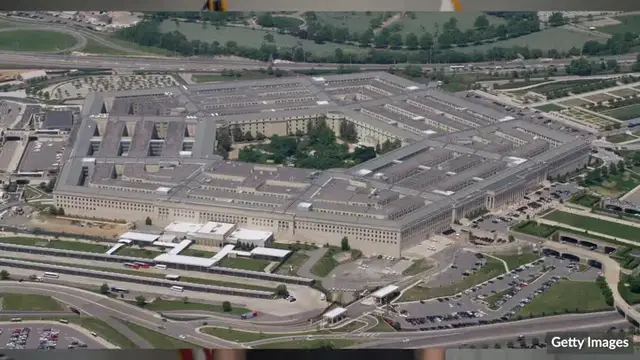
According to a report released by the Government Accountability Office, the Pentagon falls short of its goal to fund 90% of its barracks maintenance needs, instead funding only 80%
0:16
The report also indicates officials have not, quote, fully determined the risks to its mission and to the quality of life of its personnel as a result of not meeting its funding goal, end quote
0:27
It identifies challenges in hiring maintenance workers, especially in remote locations, competition
0:33
from the private sector, and the effects of recent workforce reductions. GAO issued 13 recommendations to the Pentagon and the individual services to identify risks
0:42
to mission and quality of life due to underfunding maintenance, to determine critical shortages
0:47
in maintenance workforce across installations, and to strengthen oversight of maintenance programs
0:53
To see the full report, visit GAO.gov. USAA announced their National Military Monument, located next to the Lincoln Memorial in Washington
1:01
D.C., will be in place through Veterans Day this year. The monument displays the names of 41 million Americans who have served in uniform over
1:10
the course of the nation's 250-year history that have been pulled from several historical databases
1:16
This monument is absolutely incredible. It has names of every single veteran who have ever served in our country My husband family and my family we have service members that go back to the American Revolution
1:30
and they are all represented here on this display. I'm looking up eight names today
1:36
So three in my immediate family, I've got two brother-in-laws that served, and then for a friend of mine, I'm looking up two names
1:41
And yourself. And myself as well, yes. How did it feel to see the names? It's exciting
1:46
It's kind of, I mean, you realize that your name and your service has been etched in history for quite some time
1:52
So this is, and the way it looks on the memorial gives the impression that it's actually etched and sewn
1:56
So it looks more realistic than you would imagine in person. I've never seen anything like this for a monument, that it doesn't just honor those who were fallen or lost in our wars
2:07
but, you know, everyone who has served and honoring the service of every single person who has dedicated themselves to our country
2:13
And I think that's what's really incredible about this monument. As the Congressional summer recess winds down and legislators return to Washington
2:20
MOA leaders sat down to discuss the Take Care of America's Veterans Act, to examine some misconceptions about the bill
2:26
and to outline why this legislation is a positive development for veterans, service members, and their families
2:32
It's incredibly unique, right? Over 60 pieces of legislation covering all kinds of things, MOA priorities from before
2:39
but 60 pieces of legislation that have over time had various levels of bipartisan support bicameral support but each individual bill on its own has never really made it across the finish line despite its support
2:53
And so now you have this opportunity where they're all in one bill, over 60 things in
2:57
one bill, and so MOA took its time to look at it. As you said, it is incredibly packed with really, really great things for the veteran
3:04
community, for the survivor community, for families, things like the Richard Starr Act
3:09
care of those combat wounded folks that we all have been, you know, all across the
3:13
community have been advocating for for over nine years, right? All these things
3:17
are in one package. So when you look at all that, even though it took us some
3:21
time, it is a unique point in time, it is a unique opportunity to take care of so
3:27
many great things for veterans across the community. So when MOA looked at that, of course, at the end after all of our ysis we said, how do you not support
3:34
this? How do you not get behind the amount of goodness that we can do for entire veteran community
3:39
The main point of contention in the veterans community is how the bill is paid for and
3:43
whether codifying changes to the VA's disability rating schedule sets a harmful precedent
3:49
First of all, if it was only one or two of these 60 kinds of pieces of legislation, MOA
3:53
would never have said, yes, let's make a change and let's allow this pay for to happen in
3:58
these changes in disability ratings. But we're not talking about one or two things
4:02
We're talking about over 60 things that are lumped together. We normally wouldn like the Congress directing how disability changes take place let that work go on in the medical community and the VA But in this case given all those facts and the opportunity for us
4:16
to direct those changes and make sure that if these sort of inevitable changes from the VA are
4:21
going to take place, we can capture those savings and put them back in the veteran community
4:25
that's what made the pay for, you know, a little bit more palatable for us. Not as a continuing
4:30
thing, not as a precedence. The folks who have decided not to support this bill have said
4:36
that this is taking away benefits from future veterans. When you look at what they're advocating for, what they're saying is, we don't want to see
4:43
a precedence. We don't want to see a precedence either. But you don't make decisions in a legislative environment waiting for two things to happen
4:50
One, that it's going to be perfect. Nothing's ever perfect. So you don't wait for perfect to happen if you want to see things get done in Washington
4:57
The second part of that discussion is the future veteran argument I don't really buy
5:02
because what I say is not doing something in action to make it better for them is not helping them either, right
5:08
And so this idea that you're closing the door to future veterans I think is a false argument
5:13
The argument should be that you're making opportunity for future veterans to get things that they currently wouldn't have
5:18
and their families and their survivors to get things that they currently wouldn't have. But if you do nothing, if all you do is fight the TACAVA bill and you have inaction, they don't get anything
5:26
I guarantee you they don't get anything. To see the full conversation and to catch up on news from around the uniformed services
5:32
community, visit MOA.org
news