Up next in 10



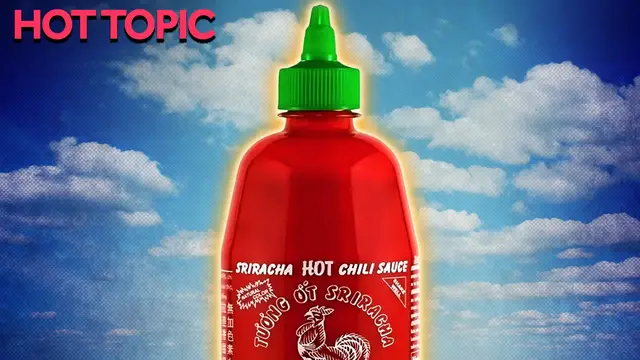
Even if you don't live anywhere near those fumes in Irwindale, California, is likely you have heard d Sriracha Sauce, and maybe even you are a serious connoisseur! This episode promises be hot! Join us as we go deep into the actual invention of Sriracha sauce, and see how it became the ubiquitous sauce we all know. Let us know if YOU use this liquid fire!
Show More Show Less View Video Transcript
0:00
Today, we're bringing the heat to the history of Sriracha
0:03
Sriracha is widely believed to be a variation of Cantonese garlic and chili sauce
0:08
which originally comes from Shund in the Pearl River Delta area of China
0:12
During the early 1900s, a wave of Cantonese immigrants settled in the small coastal town
0:16
of Sriracha in southeast Thailand, and it was there that sriracha sauce was invented in the
0:21
late 1940s. Though there are competing origin stories, a Thai woman named Tanam Chikapa is
0:27
most widely credited with creating the sauce for use in her kitchen. Meanwhile, across the world
0:32
in the U.S., a whole different sriracha was starting to turn heads. The version of sriracha
0:37
most people are familiar with now is the kind made by Hui Fang Foods, a company founded by
0:42
Chinese-Vietnamese migrant David Tran. Tran moved to the U.S. in 1980 and settled in Los Angeles
0:47
where he had trouble finding two things, a job and a decent hot sauce. So, given that he had
0:53
time on his hands, he decided to combine his searches and cook up some sriracha to sell himself
0:58
Tran bottled his sauce in baby food jars and started off by selling it out of the back of his
1:02
van and later through local markets in his community. By the mid-80s, he would be distributing
1:07
his sriracha in towns and cities with large Southeast Asian populations all across the
1:12
coast of California. And that's when the money really started rolling in. In the mid-aughts
1:17
America collectively decided it was bored with ketchup, and the hot sauce industry exploded
1:22
seeing a 150 increase in sales Sriracha in particular exploded in popularity and started appearing on shelves in supermarket chains and on restaurant tables across the nation By 2019 the sauce was making
1:35
over $150 million for Huifong Foods. The city of Irwindale, located in the San Gabriel Valley
1:41
of Los Angeles, California, is mostly known for being the site of Huifong Foods' massive
1:46
sriracha factory. The factory set up shop in 2010, but not too long after it began production
1:51
people who lived in the Irwindale area started to complain of burning eyes, irritated throats
1:56
and headaches. The problem turned out to be the chili odor emanating from the factory where it
2:01
was grinding peppers. So, to protect its citizens, the Irwindale City Council ruled that the odor
2:06
was a public nuisance. In October of 2014, the council finally asked a judge to stop production
2:12
at the factory until the smell could be reduced. As you might imagine, the sriracha-loving public
2:17
seriously freaked out at the prospect of losing their beloved hot sauce forever
2:22
They tweeted up a defiant storm and warned the rest of humanity of the coming Sriracha ocalypse
2:27
Meanwhile, nothing had actually changed at the factory yet since the chili grinding season only lasts from August to October, so at the moment, there was no smell to abate
2:36
As the chili grinding season approached, however, California Governor Jerry Brown's Business
2:40
and Economic Development Office stepped in to mediate between the city and the Hoifang
2:44
people, and an agreement was reached. Long story short, Hoi Fong agreed to install strong filters that would eliminate the smell
2:51
The war was finally over and Sriracha fans worldwide could relax. May the casualties of the Sriracha War never be forgotten