Up next in 10



When it comes to our health, "failure" is one of the last words we want to hear. Yet, nothing in medicine is 100%. Each and every day we're learning new breakthroughs and techniques that allow us to continue advancing in the medical field. And sometimes, those advancements mean that something that we thought worked, actually didn't. This has happened all throughout history, hasn't it?
Show More Show Less View Video Transcript
0:00
We don't like to think about it when we go to the doctor, but medical science is a trial and error
0:04
process, and it's gone down some dark paths before getting things right. Remedies we used to depend
0:09
on are regularly found to be much less effective than we initially believed, like when doctors used
0:14
to use leeches to draw out the bad blood. Sure, we can laugh at that now, but when medical failures
0:19
hit in the last 30, 10, even 5 years, it feels a little less silly. So today we're taking a deep
0:26
dive into the biggest medical product disasters in history. Alright doc, wash up and get in your
0:31
scrubs. It's operating time. A hundred plus years ago, medicine was just becoming a bona fide science
0:41
Gone were the bloodletting leeches, replaced with elixirs and concoctions that promised to cure all
0:46
of your ailments. One of these substances was laudanum. It was used to treat a truckload of
0:51
different illnesses and issues, like toothaches, inflamed intestines, fever, and even hiccups
0:55
However, laudanum packed quite the punch, which is a diplomatic way of saying it was
1:00
10% opium dissolved in alcohol. And opium is a hell of a drug
1:05
More worrisome is that this medicine was advertised directly to women and children, even babies
1:10
However, they were often given a special mix known as Mother's Friend, which was a combination
1:14
of opium, water, and treacle. Maybe Starbucks should start selling that as lattes
1:19
The overuse of laudanum had disastrous side effects, leading to outright bans in the United
1:23
States and the UK in the early 20th century. Going into surgery triggers a natural fear within
1:32
us all. What if something goes wrong? What if I don't wake up? What if I have a crush on the
1:37
anesthesiologist but I don't remember to get their number? So imagine what it would feel like to be
1:41
well recovered even years after the surgery only to learn a non-medical grade substance was placed
1:46
inside your body. This was the case for thousands of women across Europe in the early 2010s who
1:51
learned that their breast implants, specifically produced by the company Poly Implant Prosthesis
1:56
or PIP, were made using a cheaper industrial-grade silicone that was not approved for medical use
2:01
How did this become known? Doctors started seeing more cases of women whose breast implants had
2:06
ruptured. In fact, it was discovered that PIP implants are two to six times more likely to
2:11
rupture than standard silicone implants. It also came out that the founder of PIP
2:15
Jean-Claude Moss, was a former butcher-turned-medical sales representative. And butcher is generally a word you don't want to see anywhere near the word surgery
2:23
For his connection to illegally adding this non-medical grade silicone, Moss was sentenced
2:27
to prison for up to four years in 2013. One of the largest prescription medication recalls in history was for Vioxx an anti drug used to treat arthritis and acute pain In 2004 over 20 million people were taking the drug when it was recalled by its
2:44
manufacturer, Merck. When doing its initial studies, Merck saw an unexpected rise in heart
2:49
risk among the patients taking its medicine. So, they ordered another study, and in that study
2:55
it was found that 20 patients had heart attacks. However, when publishing their data in a medical
3:00
Journal, Merck only said they had 17 patients suffer heart attacks. This subtraction, of course
3:05
changed the percentage of heart risk-affected patients. It wasn't until outside doctors found
3:10
the true data and pointed out the false numbers that the FDA further investigated the dangers of
3:15
Vioxx. Eventually, Merck pulled their medicine off the shelves. In the five years the drug was
3:19
on the market, it was estimated that 88,000 Americans had heart attacks after taking Vioxx
3:24
and 38,000 of them passed. In 2007, Merck announced it would pay $4.85 billion to end
3:31
the thousands of lawsuits that had been filed due to Vioxx, and that kind of number would give anyone
3:36
a coronary. In the 90s, a new drug that promised drastic weight loss results was released into the
3:45
American market. Containing a combination of fenfluramine and fentermine, the medicine became
3:49
known as Fen-Fen. And as users began shedding pound after pound, it seemed like Fen-Fen was
3:55
too good to be true. It turns out, it sure was. While the drug did help people lose weight
4:01
it was also damaging people's heart valves. You kind of need those. In 1997, the FDA ordered the manufacturer Wyeth to take the medicine off the market
4:09
Over 175,000 claims were filed against the drug company, with Wyeth having to pay out over $21
4:15
billion in settlements. Guess its bank account lost some weight. Get it
4:23
In September 1982, a series of strange demises occurred in Chicago. First was 12-year-old Mary
4:29
Kellerman, who went to bed with a sore throat and was found dead the next morning. Then came 27-year-old
4:34
postal worker Adam Janus, who perished from what seemed to be a heart attack. However, police
4:39
realized the horrifying reason behind the deaths when Adam's brother and sister-in-law, Stanley and
4:44
Teresa, also died within a few days of getting to Adam's family's home after complaining about
4:49
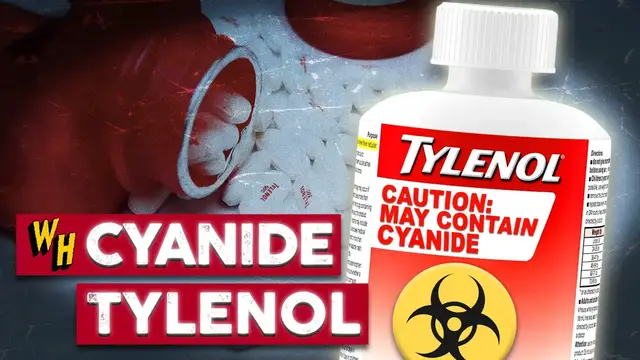
having headaches. Each of the four victims had taken Tylenol shortly before their deaths
4:53
leading law enforcement to realize that the Tylenol capsules had been laced with cyanide
4:59
Three more people in the Chicago area died over the next few days from these tainted
5:03
lethal Tylenol pills. Understandably, a panic grew. So Johnson & Johnson, the manufacturer of
5:08
Tylenol, quickly took action and ordered a complete recall of every one of their Tylenol
5:13
bottles in the country over 31 million bottles With the immediate threat removed investigators were able to discover that someone had gone into Tylenol bottles in Chicago pharmacies and added these cyanide lookalikes into the new bottles
5:26
Upon discovering this, Johnson & Johnson invested over $100 million to develop tamper-proof foil
5:32
to go over the top of their bottles, something we're all familiar with today. Additionally, they moved away
5:37
from the capsule form of their pill to a new caplet which was coated with easy-to-swallow gelatin
5:41
that couldn't simply be opened up like the old capsule. Nobody was ever charged for the murders
5:46
though a man named James William Lewis sent Johnson & Johnson an extortion letter demanding money to stop the poisonings
5:52
After an FBI investigation, however, no DNA evidence could link Lewis to the crime
5:57
He passed away in 2023 at age 76. Unfortunately, there is often a deadly reason why certain laws and regulations come to pass
6:08
This was the case for certain rules passed and focuses taken by the FDA, or Food and Drug Administration
6:13
It all started in 1937, when a medicine, sulfanilamide, was being successfully used to treat streptococcal infections, which can range from strep throat to scarlet fever
6:23
All was well until the drug was transformed into a new liquid form, which included a new ingredient, diethylene glycol, or DEG
6:30
In fact, this new elixir was being prepared using 70% DEG. At the time, DEG was considered to be harmless, and the FDA didn't require toxicity tests to be performed on new formulations of existing drugs
6:42
This turned out to be a grave error. Since no testing was done, no one realized that DEG can, in fact, be deadly
6:50
The resulting 105 fatalities led to a comprehensive overview of drug safety standards
6:55
and the shifting of the FDA's drug focus in 1938. In 1997, people struggling with diabetes were excited to hear of a new medication called Resilin
7:08
The FDA was also rearing to get the medication to patients, so much so that Resilin was the fastest-approved diabetes pill in the United States
7:16
While Americans started taking the medication to help lower their blood glucose levels
7:20
other countries grew wary of the seemingly miraculous drug. In the UK, they pulled the medication just six weeks after its release
7:27
when it had already caused 135 cases of serious liver toxicity and six deaths
7:33
For some hotly debated reason, the FDA kept Resilin available until a journalist
7:37
and a group of FDA staffers called the Termites by one medical officer sent internal FDA emails
7:43
detailing the concerns of the side effects of the drug to Congress. After this push, the drug was
7:48
finally pulled in the U in March 2000 after the suspected deaths of hundreds of its users So thanks Termites In a cruel twist of fate many mothers who struggled with infertility realized a pill
8:04
they took may have impacted their children's reproductive organs. Between 1938 and 1971, diethylstilbestrol, or DES, was a synthetic estrogen prescribed
8:14
to pregnant women who had infertility issues. In total, it's believed that 5 to 10 million people were exposed to DES during this period
8:21
It was later discovered that this drug negatively affected the fetus when the mother took the pill
8:27
As adults, children of DES can have a host of different issues
8:31
For DES sons, there don't seem to be as many health implications, though they may have specific issues dealing with their testicles
8:38
That doesn't sound much better. For DES daughters, however, there are many different hardships they could face
8:44
including a higher risk of breast cancer, altered shape of the cervix or uterus
8:48
and problems with pregnancy. DES daughters also have a 40 times higher chance of developing clear-cell adenocarcinoma
8:55
a rare kind of cervical cancer. In the 1950s, doctors and scientists didn't yet understand that medications pregnant women took
9:06
could impact their unborn child. So, studies testing the safety of medications didn't
9:11
specifically include pregnant women. Enter thalidomide, a German-made medication prescribed for a broad array of conditions
9:18
including morning sickness in pregnant women. Thalidomide catapulted onto the market as a safe medication
9:24
after the research team found it was impossible to give a lethal amount of the drug to animals
9:29
Apparently, this was all the evidence, and soon the drug was available
9:32
in 49 countries around the world. Companies even touted its harmless nature
9:37
saying it could be given to pregnant women and nursing mothers without adverse effects
9:41
on the mother or child. However, one country was not on that list
9:45
the United States. The FDA wasn't shown definite proof that refuted the claims of long-term thalidomide patients
9:51
who said they had developed nerve damage after prolonged usage of the drug. Without this, the FDA wouldn't approve the drug
9:57
It turned out to be a blessing for American women that the FDA turned down the drug, as it was discovered that thalidomide was harming unborn babies
10:04
These children grew to have a variety of different ailments affecting internal organs
10:08
eyesight, and brain damage. Some even developed what became known in the media as flipper hands
10:13
However, these many different symptoms made the link to thalidomide hard to find, which allowed the drug to be on the market for five years
10:21
It's estimated that 10,000 babies across the world suffered due to their pregnant mothers taking this medication, with half of the affected babies dying within a few months after being born
10:31
From this case, new laws for testing medication came about to ensure drugs are safe for expectant mothers and their babies
10:37
The End