Up next in 10



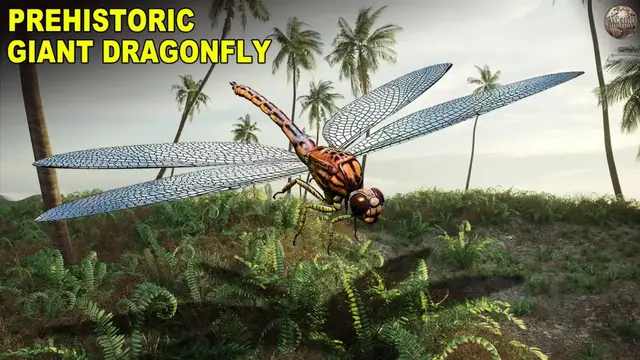
Three hundred million years ago, the largest insect ever known to humankind hunted in fern jungles and boasted an enormous wingspan of nearly 2.5 feet. Different from modern dragonflies in its size and other attributes, the Meganeura earned the title "prehistoric griffinfly" from scientists. The first Meganeura fossil, discovered in 1880, eventually led researchers to a group of mega-insects, including Meganeuropsis permiana and other massive dragonflies. These creatures hunted prey using their enormous eyes, toothed mandibles, and sharp legs.
Show More Show Less View Video Transcript
0:00
With a wingspan of nearly 2 and 1 1
0:02
feet, Meganura was one of the most massive insects known to science
0:06
300 million years ago, it stalked its prey through prehistoric swamps and forests
0:11
until it suddenly went extinct. Today, we're uncovering the dirt on Meganura
0:17
the largest dragonfly ever discovered. OK, time to find out if they make bug lamps the size
0:22
of a big screen TV. Thanks to higher oxygen levels during the carboniferous
0:29
and Permian periods, prehistoric insects had a unique opportunity to grow larger than even our
0:35
worst nightmares would permit. Eight-foot-long sea scorpions called Eucolopterus renanier prowled the oceans. One claw of Eucolopterus was found in 2007, measuring 46 centimeters
0:47
roughly a foot and a half long. That's a lot of claw. And the six-foot-tall giant millipede
0:52
Arthropleura would be enough to keep the predator from venturing too far into a prehistoric jungle
0:57
But Meganeura was the undefeated champion of gargantuan flying insects. With a wingspan averaging over two feet in length, massive eyes, sharp teeth, and spine-covered legs
1:08
it would have been a frightening sight for anything but the sturdiest prehistoric creature
1:18
Meganeura was approximately one-quarter the size of an average human being, roughly equal to the size of a large eagle
1:24
In other words, too big to be a bug. Imagine seeing a hungry dragonfly hovering around your yard
1:30
with a wingspan the size of a toddler. That's big enough to toss a brick through your window
1:34
or maybe even pick the lock. But while its fossilized remains were first discovered
1:38
in France in 1880, the jaw-dropping specimen didn't receive its official name until five years later
1:44
In 1885, prominent French paleontologist Charles Broniard christened the insect meganura, which means large-veined, in reference
1:53
to the crisscrossing venation of the creature's wings. Before then, scientists had just been calling it Sir
1:59
Thanks to its incredible size, Meganeura ruled the skies and swamps for 6 million years
2:05
It was so big, scientists had to calling it a prehistoric griffonfly rather than a mere dragonfly
2:11
The true measure of its size was its massive wingspan, which stretched wider than the shoulder
2:16
width of most adult men Although similar to modern dragonfly wings in appearance the ancient insect wings were much more powerful Each wing had a network of veins that helped generate power as well as cross braces to provide additional strength
2:28
to maintain flight. It was sort of like a natural prehistoric jet engine
2:32
And in case your brain was busy generating a fresh programming slate of nightmares for you tonight, here's some good news
2:38
Due to its unique size, Meganeura wasn't nearly as quick or nimble as modern dragonflies
2:43
According to a 2018 paper on prehistoric insect flight published in the Journal of Experimental Biology
2:49
Meganeura had a wing flap frequency between 3 and 8 hertz, which measures how many times their wings beat each second
2:55
That's 10 times less than the modern dragonfly's 30 hertz flap frequency, meaning Meganeura sustained flight
3:01
more like a modern bird than an insect. This is possibly due to the thicker atmosphere at the time
3:06
as well as the force required to keep its considerable weight airborne. I don't know
3:11
A slow flapping giant insect sounds worse. Flap, flap, flap. The Meganura fossil led researchers to an entire group
3:19
of mega insects, including Meganura, Meganuraopsis permiana, and many other prehistoric dragonflies
3:26
from the late Carboniferous period. Throughout the Carboniferous period
3:35
many species thrived in humid wetlands and swamps, including Meganura. The giant dragonfly lived in water as a larva
3:43
preying on fish and aquatic insects throughout its juvenile phase. Yeah, you weren't even safe from this thing underwater
3:49
As an adult, it roamed swamps and forests like a particularly ugly hawk, searching for its next meal
3:55
dominating the Earth millions of years before the first dinosaur egg ever hatched
3:59
Meganeura's enormous, highly evolved eyes helped it seek out prey, primarily lesser insects
4:05
and amphibians like frogs and toads. When it spotted a tasty morsel, the creature
4:09
would strike with its sharp leg spines and deadly mandibles, which were long and sturdy enough to grip its victims
4:14
and carry them off to meet their gruesome fate. It's a somewhat well-known fact that prehistoric insects
4:25
grew infinitely larger than even the biggest bugs we see on the planet today
4:29
But why were ancient bugs so much larger than their modern counterparts
4:33
A higher concentration of oxygen in the atmosphere may have been a contributing factor
4:37
Insects like dragonflies don't have lungs. Instead they breathe through tracheal tubes along their bodies 300 million years ago oxygen accounted for about 35 of the gases in the atmosphere compared to only 21 today
4:50
Higher oxygen levels in the prehistoric air essentially meant it was easier for larger insects
4:55
to breathe, which allowed the griffin fly to reach its enormous size
4:59
Meganeuro could beat its wings, take flight, and tear the legs off an unsuspecting banjo-playing
5:03
frog without having to stop and catch its breath. While the general consensus is that higher oxygen levels help these insects grow
5:10
newer research indicates that their size had another effect, preventing oxygen poisoning
5:15
Part of the reason meganeura and other titanic insects ballooned to such enormous sizes
5:19
may have been to avoid being poisoned by the oxygen-rich atmosphere. How do scientists know this
5:25
Well, as you may recall from earlier, meganeura lived in water during its larval phase
5:29
Water is almost 90% oxygen to begin with. During the Carboniferous period, more oxygen dissolved in water
5:35
due to its higher concentration in the air, which meant meganeura larvae would absorb a greater amount
5:40
of the gas. High levels of oxygen can be poisonous to living beings
5:44
so the prehistoric dragonfly may have bulked up to avoid oxygen toxicity
5:49
Ironically, the prevailing theory among scientists is that a decrease in oxygen levels
5:54
likely led to meganeura's extinction. They were just sucking too much wind. Should have spent more time on cardio, shouldn't we all
6:02
Over time, researchers discovered a direct connection between oxygen levels and insect wingspans
6:13
covering more than 10,000 fossilized insects over the past 320 million years of the planet's history
6:18
Many of these large insects died out during the Permian extinction about 250 million years ago
6:23
which completely wiped out 90% of all life on Earth and also coincided with a decrease in Earth's oxygen
6:30
levels, which may have been the primary cause of the giant insect die-off. There was no longer
6:35
enough oxygen to support them. One study suggests Meganeurus simply couldn't cope with the thinner
6:40
atmosphere. It became sluggish, couldn't remain in flight, and began underperforming significantly
6:46
Sounds like a post-retirement Charles Barkley. Additionally, the decrease in oxygen presented an
6:51
opportunity for faster and more suitably adapted species to drive the griffonfly to its ultimate fate
6:57
As we mentioned, the Permian extinction decimated most of Earth's species. But it also brought about a significant threat to Meganura flying dinosaurs Oh boy Dinosaurs like Archaeopteryx took flight roughly 140 million years ago around the same time that insects began to get smaller
7:14
These early dinosaur-slash-bird hybrids preyed on the same food sources as Meganura
7:19
As its prey became scarce and stiff competition emerged for what food remained
7:23
it's entirely plausible that early flying dinosaurs out-hunted the once-dominant griffinfly. After completing a study about prehistoric insects
7:32
Paleobiologist Matthew Clapham and his team concluded modern insects might be much larger
7:36
if not for the appearance of birds. He wrote, these large insects are predacious and they eat smaller insects
7:43
Birds may have also eaten small insects, as many modern birds do
7:47
If they are competing for the same resources, birds may have been better competitors for
7:51
these food sources. And although this may not have led to the extinction of Meganeura, it is certainly a
7:56
plausible contributing factor in addition to the Earth's changing atmosphere to explain
8:00
the demise of history's no-pist flying insect. In other words, the entire composition of the planet
8:06
changed, which saved humanity from a future where parents had to make sure daycare centers were Meganeura-proof
8:17
The legacy of Meganeura lives on in modern dragonflies. Although they're nowhere near as big
8:22
their unique appearance has captivated the human race for centuries, inspiring a wide variety of myths
8:27
and legends across many different cultures. In Japan, dragonflies are symbols of success and happiness
8:33
Some Native American tribes view them as a symbol of change, speed, and purity
8:37
However, not everyone takes it quite so sunny. According to one popular myth, dragonflies would visit unruly children and sew their
8:44
eyes and mouths shut when they lied. In Swedish folklore and other European legends, dragonflies were omens of looming injury or
8:51
disaster, like in the 2004 thriller The Dragonfly Effect, in which the titular insect haunts
8:57
Ashton Kutcher with visions of Netflix's The Ranch. That movie was called The Dragonfly Effect, right
9:03
Pretty sure it was. It's fun to imagine how these myths and legends would have changed had Meganeura survived
9:08
the Permian extinction and continued to terrorize the skies to this day
9:12
The one about sewing mouths and eyes shut would probably stay the same, though. That was right on the money
9:17
Modern dragonflies might be totally unlike their prehistoric counterparts. But continued research about Meganeura might eventually lead to additional exciting discoveries
9:25
about the strangest gigantic insects the world has ever known