Up next in 10



As you could probably guess from the name, a “steakhouse” is a restaurant that specializes in steak. Or… at least claims to. They weren’t invented in the US, but it was America that turned steakhouses into a big business; and then, into a somewhat smaller business. In other words… Today we’re going to take a look at the rise and fall of American steakhouses.
Show More Show Less View Video Transcript
0:00
Today we're going to take a look at the rise and fall of American steakhouses
0:04
Americans love steakhouses, but they didn't invent them, not by a long shot. In fact
0:10
the earliest steakhouses predate the existence of the U.S. as a country by a good 75 years or so
0:15
The oldest known examples started cropping up in London during the 1690s, but the steakhouse
0:20
industry as we know it today was an outgrowth of more traditional bars and inns during the 19th
0:25
century. The first proper American steakhouse may have been New York City's Delmonico's
0:30
It first opened its doors in 1837 and is widely believed to be the first American dining
0:35
establishment to ever refer to itself as a restaurant, and their upscale approach would
0:40
set the tone for the American steakhouse industry going forward. Of course, in America, the brass
0:45
ring of retail food sales is a big chain of restaurants, and chain steakhouses have been
0:50
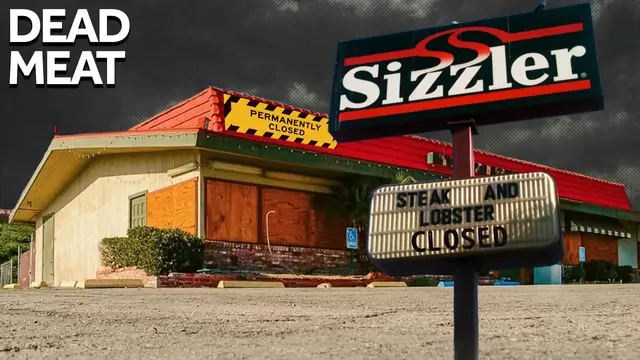
a thing since the late 1950s. Sizzler Steakhouse, for example, was founded in California in 1958
0:57
Unlike many of the upscale hoity-toity steakhouses of the previous era, Sizzler was casual and
1:02
budget-friendly. They were also incredibly profitable, so their business model would be widely copied and quickly become the norm for U.S. steakhouses. Nothing lasts forever
1:11
and the steakhouse boom of the 80s and 90s was no exception. What went wrong? Well, for starters
1:17
right around the turn of the millennium the commercial steakhouse market became
1:20
saturated and everyone sales started to fall off additionally trends towards healthier eating since the 1990s had a lot to do with it as did the combined effect of the 2008 financial recession and the pandemic of 2020 which were both pretty brutal on sit
1:35
restaurants in general. A series of controversies didn't help much either. For example, in 1993
1:41
Sizzler allowed their salad bars to be contaminated by E. coli-infected meat
1:46
causing nearly 40 confirmed cases of food poisoning. You'd think they'd have learned
1:49
their lesson, but it happened again at locations in Milwaukee in 2000. Meanwhile, Lone Star developed
1:55
a reputation for cutting corners. One reviewer from 1995, for example, reported being served an
2:01
old, inedible piece of fish, which was only replaced with a fresher one after the reviewer
2:05
something the manager admitted the kitchen staff did frequently. As of 2024, Ponderosa and Bonanza
2:11
Steakhouses have just 14 locations left. Sizzler had to file for Chapter 11 bankruptcy protection
2:17
in 2020. And except for one lone location that remains open in Guam, of all places
2:22
Lone Star Steakhouse rode off to the Great Cattle Ranch in the Sky in 2019. That being said
2:28
the commercial steakhouse business may be making something of a comeback. Texas Roadhouse, for example, now has nearly 750 locations in the U.S., up from just under 700
2:37
last year. And in 2023, Brand Finance named them the fastest-growing restaurant brand
2:43
Longhorn Steakhouse recently announced plans to open around 15 new locations. And in 2023, their parent company, Darden, bought out the Ruth's Chris chain due to their optimism
2:53
about the future of the upscale dining sector. Now if they'd only change that tongue twister of a name
Hospitality Industry
Restaurants