
Om Mani Padme Hum
Jan 21, 2026

High in the rugged Himalayan passes of Laddakh, Spiti, Lahaul, Tibet, Nepal, and Bhutan, where thin air meets endless sky, ancient stone cairns rise like silent sentinels. These stacked rocks—known in Tibetan as la btsas—mark sacred mountain crossings, pilgrim trails, and places where the human world brushes against the divine.
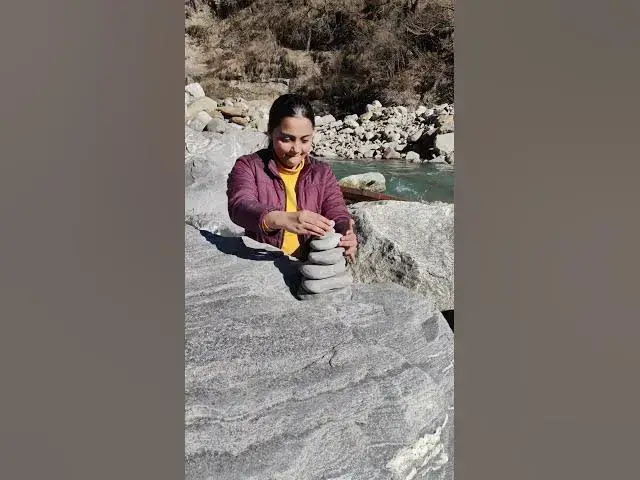
Each cairn begins small, but over generations it grows. Pilgrims, weathered by wind and altitude, pause here. With quiet reverence, they select a smooth stone from the ground, hold it for a moment—perhaps whispering a prayer or mantra—then carefully place it atop the pile. In that simple act, they offer respect to local mountain spirits, seek protection for safe passage through treacherous terrain, or simply add their small contribution to an ever-evolving monument of devotion.
Many cairns are adorned with mani stones—flat rocks beautifully carved with the six-syllable mantra Om Mani Padme Hum—and vibrant prayer flags that flutter in the thin air, carrying blessings outward on the wind. The colors—red, white, blue, green, yellow—dance against the stark gray stones and snow-dusted peaks, blending pure Buddhist practice with older indigenous traditions of honoring the land's protective deities. #toshvillage #parvativalley
These are not permanent monuments. Avalanches, weather, or time may scatter them, yet the practice endures. Each added stone is a momentary gesture of faith, impermanence made visible, and harmony between wanderer, mountain, and spirit. Om Mani Padme Hum
#ommanipadmehum #buddhistwisdom #meditationjourney #spiritualawakening #mantrameditation #innerpeace #mindfulnesspractice #tibetanbuddhism #chantingmantras #DivineConnection
Show More Show Less