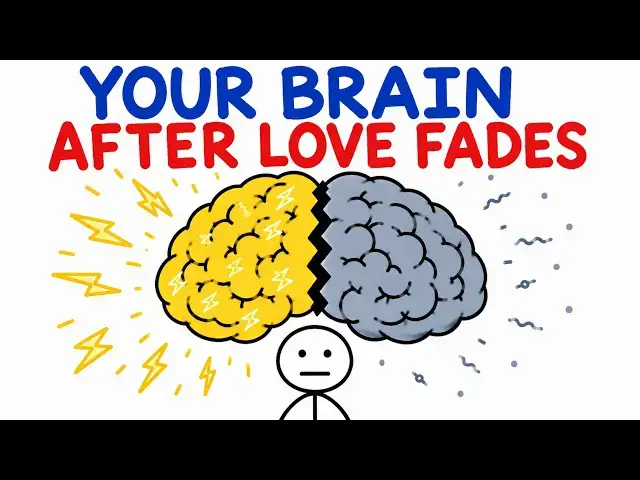

What Happens to Your Brain When You Fall Out of Love
Aug 5, 2026
Have you ever looked at someone you once couldn't stop thinking about — and felt almost nothing? That's not a feeling. It's a chemical timer your brain set without asking you — and it's been running in every relationship you've ever had.
Your brain treats new love like a drug. Dopamine, norepinephrine, and phenylethylamine flood your reward circuits the same way cocaine does — and like every drug, tolerance sets in. The honeymoon phase lasts 12 to 18 months not because something failed, but because your nervous system evolved to seek novelty. What comes after isn't the absence of love — it's a completely different chemistry: oxytocin, vasopressin, and a quieter kind of reward that most people mistake for nothing. Brain scans of couples together 25 years show the same dopamine regions lighting up as the newly in love — just in a different key. Understanding the difference could change how you see every relationship you've ever had or walked away from.
Subscribe to Primal Wiring for weekly videos on why your brain does what it does.
#fallingoutoflovelove #relationshipscience #neuroscienceoflovelove #dopamine #attachmenttheory #evolutionarypsychology #humanbehavior #primatewiring #psychologyexplained #brainscience #honestyaboutlove #lovepsychology #coolidgeeffect #oxytocin #relationshipadvice
Show More Show Less #Science