Up next in 10



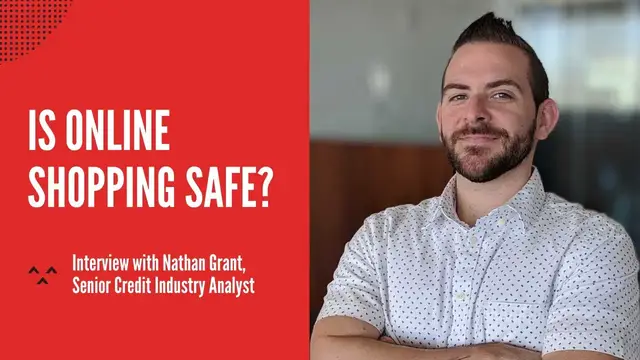
Online shopping can be safe. We’ve interviewed Nathan Grant, a Senior Credit Industry Analyst with CreditCardInsider to find out how safe online shopping is and what consumers should know when making payments online.
00:00 - Tips for safer online shopping
02:17 - Paying with Credit card vs Paypal
07:48 - Avoiding payment fraud while shopping online
15:11 - Split payments for online purchases
17:06 - How Credit Card Insider can help you with your shopping needs
17:23 - Conclusion
#OnlineShopping #Shopping #ExpertTalksWithPissedConsumer
More #creditcard tips on https://www.creditcardinsider.com/blog/
Support Pissed Consumer video interview project: https://www.pissedconsumer.com/donate.html
Subscribe to Pissed Consumer social media accounts:
Facebook: https://www.facebook.com/PissedConsumerCom/
Instagram: https://www.instagram.com/pissedconsumer/
Twitter: https://twitter.com/pissedconsumer
Show More Show Less View Video Transcript
0:00
How safe is today's shopping online
0:09
So, you know, in a lot of ways, shopping online is one of the safest ways to shop
0:14
If you are taking the right steps, you know, you got to think like from a physical to digital perspective, you know, you're not handling cash physically
0:23
So being able to shop online immediately removes one layer of potential danger when it comes to shopping in general
0:31
But a lot of the stuff when it comes to shopping online really is about taking the proper precautions before you even enter any information online
0:40
So that goes for making sure the site that you're shopping with is a secure site
0:47
And even outside of the site itself, you want to make sure that whatever networks you're entering the information on aren't like a public network
0:56
It's something that's secured as well. So it can be really safe when you take those things into account
1:02
But then there's also how you choose to pay to shop online. And there's more ways to pay than ever
1:08
And every one of those has its own pros and cons. Some of them have a lot more pros, and I'm definitely going to be discussing all of them today
1:15
But in general, you know, we have to realize that especially since the pandemic, online shopping has increased tremendously
1:23
More and more people than ever are doing it. So businesses and retailers are realizing that
1:28
And, you know, we've seen a lot of retail websites really improve because there's a lot of times, even in the last few years
1:35
where you'd go to shop on a website and you're like, this looks antiquated like it was from a few years ago
1:40
like an older generation of internet. And now, I don't wanna say all
1:45
but most retailers have really increased their presence online, offered a lot of the same benefits from shopping
1:51
in a face-to-face brick and mortar situation to their online marketplaces. And for so many people
1:58
it really is just so convenient to be able to shop online. So you wanna be as safe as possible
2:04
when you are purchasing things online and entering your information online. So a consumer has a choice of paying via credit card or via PayPal
2:14
What are the pluses minuses of the choices? Well, I'm glad you mentioned that because one of the things I really wanted to get into
2:20
was some of these newer ways to pay. So in general, most people are putting a card number in when they're shopping online
2:28
Now, the thing about that is a lot of people look at debit cards and credit cards in the same way
2:36
But specifically when we're talking about safety and shopping safely online, there's actually quite a difference between just those two to start
2:45
And I'll give the example of a debit card and a credit card
2:49
They're similar in that they have a number. You put an expiration date and a security code in online, whatever merchant you're shopping at, you put in that same information
2:56
but your debit card is connected to your bank account. It's actually your money on the line
3:02
when you're using that. And a credit card is the borrowed money from the issuer. And as long as
3:09
you're not spending money that you shouldn't be on your card and you know you're going to pay it back by your due date, the benefits supremely outweigh using a debit card. For one, there are
3:21
protections in place because of the Fair Credit Reporting Act for credit cards that aren't in
3:25
place for debit cards. So what that means is in the terrible situation where you might become a
3:31
victim of fraud or identity theft and your card information was compromised, with a credit card
3:36
you can contact your issuer. They'll get a new number and a new physical card out to you right
3:41
away. And you can resume using the card right away. So you can go on another website right after
3:46
and continue shopping. With a debit card, that's your money that's been withdrawn if it wasn't a
3:52
charge that you did. So not only does it take longer, and it's different for bank or credit
3:58
union, how long it could be to get your money back in when there has been fraud. So that varies too
4:04
which is unfortunate. But not only is it going to take longer, but your money's been withdrawn at
4:09
that time. So you might have other purchases you need to make or bills you need to pay that are now
4:14
being affected by that. So right away, I would always say to use credit card over debit card
4:20
when shopping online, some issuers, not all, they are now offering what are called virtual
4:25
credit card numbers And basically what those are is if you went onto your website for your credit account they have a thing that says like generate virtual credit card number And when you click that
4:38
it will give you a unique number just as long as your credit card number. And sometimes they let you
4:44
put the expiration date, but sometimes they'll generate that too. And a unique security code
4:49
So basically what that does is it lets you use that as a virtual digital version of your existing
4:55
account with a completely different number. That's a one-time use number. So the benefits to
5:00
that are that you're now not putting your actual information out there. So by using this digital
5:06
number, this virtual number, you're able to make the purchase. And if somebody got that information
5:11
after the fact, it's a one-time use number. So that right there, if your issuer offers that
5:16
is a super safe way to use your credit card when shopping online. But you mentioned PayPal
5:23
And I'm very glad that you didn't mention that because when we're talking about safety, in my opinion, one of the safest things you can do is use digital and mobile wallets
5:33
So PayPal is a digital wallet. But then similarly, there's mobile wallets, which are like Google Pay and Apple Pay
5:41
And what makes all of those similar is that what you're doing is you're connecting those accounts, those wallets to whether it's your checking account, your debit card, your credit card, you're inputting the different payment methods into those different wallets
5:55
So if you're shopping online and a website allows you to pay with PayPal or pay with one of your mobile wallets, you're now doing a similar thing to the virtual credit card number
6:09
It's actually a process called tokenization because it's generating that one one time token
6:14
And again, it's giving you that layer of security. There's nothing that fraudsters and criminals could do with that unique number because it was only tied to that one transaction
6:24
And it's unique every time you use one of those wallets. So if you have PayPal, if you have Apple Pay or Google Pay, and it offers that as an option on a website, that's going to be your most secure way
6:36
And what I find interesting about that is if you tied your debit card to that account, it's not even putting your debit card number at risk
6:45
So it's really making your debit card more secure than if you just used it directly
6:50
So I definitely think though, and we're seeing a growth in those being not just used more, but offered more
6:57
More and more places are offering it. And the benefits of the mobile wallets actually extend beyond just shopping online because many terminals that offer tap to pay, which you normally would tap your card to do, you can use your phone in a similar fashion
7:12
And so it's really just making convenience and safety like priority one
7:18
And when it comes to things like your personal information, especially your financial information, that's just more important than ever
7:24
So I would strongly recommend if anybody's interested in using those things, that's going to be your safest way, especially when shopping online
7:34
Perfect. Thank you. Thank you very much. Yes, credit cards are certainly a safer way to go than debit cards
7:41
And thank you about speaking about the wallets. I totally agree with everything that you've said
7:46
So if someone becomes a victim of online fraud, what consumer can do, should do
7:55
What are your recommendations to consumers if someone became a victim of a fraud
8:01
Yeah, so if you, you know, things happen. There's data breaches, so things that could even be out of your hands
8:06
But, you know, maybe you went on a website that wasn't safe and put in information and then you found out after the fact, oh, no
8:14
Or maybe something popped up on your credit reports or your bank account where you're like, wait, I didn't make that purchase
8:20
What are you going to do? So the first thing you want to do when you identify something that you know is not your transaction is to immediately prevent further damage
8:29
So the best ways to do that are when it comes to credit, you can put a credit freeze on each of your credit reports
8:37
So what a credit freeze basically does is it prevents anyone, even yourself, from placing a hard inquiry on your credit reports
8:45
And as a reminder, anytime you apply for new credit, you have to do a hard inquiry
8:51
And that's, you know, if you do too many of those in a short amount of time, that's how sometimes people see their credit scores go down a little bit
8:57
And they like what happening It you know every time you do one of those it does dip a little bit So you know definitely don want to do too much at once But by putting your credit freeze in place that can happen
9:08
So that'll immediately prevent any more damage. So if somebody has your information and they've done something once and you caught it, you can prevent anything further at that point
9:17
So that's kind of like the starting point is to try to prevent anything else until you get things resolved and get new numbers and everything like that
9:25
There's also kind of a middle ground step, not quite as far as credit freeze, but something else that you should do
9:32
And most issuers offer this is what's called a fraud alert. And what that does is instead of completely locking out your credit until you unfreeze it, you actually get a notification
9:46
So when you sign up for fraud alerts, you provide your contact information
9:50
So if anybody were to try and check a hard inquiry on your credit reports, you would get called first
9:57
So that way it's avoiding, you know, something happening without you knowing you know about it
10:03
And, you know, it's good to know, like if you had that in place, because let's say you're applying for a vehicle lease
10:10
Sometimes they take all the information down, have you fill out the application. And then like a couple of days later, they do the actual hard inquiry
10:16
So knowing that if you have fraud alerts, you can kind of catch that and you might at first be like, oh, no, something get compromised
10:23
But then you might go, oh, that one's OK. And you can manually approve it
10:27
So nothing will go forward without you doing it. But then you don't have to worry about freezing your credit reports and maybe like, you know, waiting a day or two for it to be accessible again
10:38
So it's good to know both of those things. But that's pretty much the first line of difference
10:43
Um, once that's taken care of, then you need to file an identity theft report. So you would go to identitytheft.gov and the Federal Trade Commission is who works with that site. So you would basically put in all your information, how, what you found out, like, you know, how it was used, how you think it might've been accessed
11:04
And obviously there's some things you might not know. Every situation might be a little different, but basically provide them with all the information that you do know about the identity theft
11:14
You know, what what information is out there and then your personal information
11:18
So that way they can take action because, you know, this is a federal agency
11:23
They're going to make sure if fraud did take place, they need all the information they can so that they can take action
11:29
You know, it might be instinct to want to call the police first or something like that
11:33
But the actual report from the FTC might help you in a case if like, let's say there was like a local credit card scammer going around and taking people's information at gas pumps, you know, your story to like try and get them, you know, justice served would be helped by what the identity theft report might find out for you
11:55
So always best to just go right to identitytheft.gov to take care of that
11:59
And then, you know, going forward, you want to look at your credit reports and there might be additional things you missed
12:07
You want to look for any suspicious or fraudulent accounts that might be showing up or charges that might have shown up on your account because your credit scores could be damaged by having something that wasn't your fault sitting there, you know, showing against your credit
12:20
So very important to, you know, check it regularly. Luckily, right now, you can go to annualcreditreport.com, which normally would let you check your credit reports, each of the three main credit reports, once per year
12:34
But since the pandemic, they've actually extended it where you can check it weekly now. At least right now, it's through April 2021
12:42
So, you know, having that availability to be able to check things more regularly, you can really find if there's something that looks suspicious
12:49
And if it's suspicious, again, they're going to take care of it. Like this is a federal organization that takes care of stuff like this
12:56
So you can get that removed. They'll remove that. You know, the bureaus will remove that from your report
13:02
So you won't have further damage or damage going down the line. It can remove that immediately
13:06
But I will say, make sure that it's truly fraudulent stuff. Because if you try getting like collections accounts removed and stuff, you know, that's illegal
13:17
You don't want to do that. You want to make sure that it's only the things that are fraudulent to get removed
13:22
And so then from that point on it really just playing it safe and thinking about you know I talked about the ways to pay but I would say especially if you found yourself to be the victim of fraud or identity theft you want to just going forward
13:39
I told you in the beginning that shopping online can be one of the most safest ways. And I think
13:45
probably the first line of defense when you're like, or not even defense, this is like when you
13:49
take action, um, when there's two easy ways to tell if a site is secure that you might want
13:55
Even if it's a smaller site, this is something that you can do to really help
13:59
You look up at the address bar, whether it's on your mobile phone, your tablet, your computer
14:06
On the address bar itself, if there's a little lock symbol next to the address, that means the site is securely encrypted
14:13
So you know that any information, personal or financial information that you put on that site, has secure encryption behind it
14:20
Another way to look at it is the address itself. we're all familiar with how websites usually start with HTTP colon slash slash
14:29
But if you see HTTPS, that's another way to tell that that S is for the secured encryption
14:36
So that's something you can do going forward, whether you have or haven't become victim of fraud or identity theft
14:45
You can kind of tell right there that, hey, this is a site that I can trust
14:48
So immediate stuff that can help you. But if you don't know about it, you don't even know to look for it
14:54
How are you supposed to take defensive action against it? So I think that's one of the most important things to remember is just, you know, it's like it takes a second to check that
15:05
And then it could save you headaches for weeks if you didn't do that
15:10
There are a variety of ways for modern consumer to get money to buy things
15:17
Besides credit cards, besides debit cards, we have things like split payments on online stores
15:25
There are firms like Affirm that offer immediate loans for purchases. What are your thoughts on companies like Affirm
15:36
Just like a credit card, it is going to be a hard inquiry on your credit reports to be approved for something like that
15:44
And so knowing that will factor in if you've done several other inquiries for credit in a short amount of time, that could negatively impact your credit scores going in
15:53
But it's funny because even if it's not a credit card per se, the same basic things apply where it's like making your on time payments and stuff
16:02
as far as is it a good idea to do that? That's, you know, if it's going to make a purchase that
16:07
you need to make easier and you know exactly what you're paying, because, you know, that's a lot of
16:12
times too, is like factor in the interest, factor in what it's going to cost over time. You know
16:18
it's usually more when you do that. But there are some scenarios I've heard of where there might be
16:24
an interest-free option, but it might have a fee in the beginning or something like that. So
16:29
So you just want to make sure you know what you're signing up for
16:33
As much as we like to scroll past the terms and conditions and stuff, it is so important to read some of that stuff to make sure you're getting the right information, knowing where you're standing
16:43
So you're not surprised. You're not hitting a wall down the line that's like, oh, no, I didn't know this was coming up
16:48
I mean, even things like paying your taxes, if you choose to pay over time, you have to realize how that's changing the amount you owe than if you just paid outright
16:56
You know, so even when it comes to shopping and signing up for things like this, you want to make sure you know all the details before you make any decisions
17:06
Everybody has a different experience going into credit cards. It's not like really like a blanket approach
17:11
There's some things that are like blanket rules that apply to credit cards, but everybody has their own needs and desires when looking for a credit card
17:17
So that's kind of how we help really define what are the best choices in each of those categories
17:22
Nathan, I would like to thank you for your expert tips in credit card industry
17:28
This conversation was very informational for our consumers. Guys, thank you for watching
17:37
If you have questions, feel free to leave comments below this video
17:41
We will be happy to forward them to Nathan so he can reply. Nathan, hopefully you will accommodate our users with the questions
17:49
please don't forget to like this video and comment on it subscribe to our channel to watch videos like this
17:58
thanks Michael it was great talking to you too
Banking
Credit Cards
People & Society
Shopping
Consumer Resources
Mobile Payments & Digital Wallets