Up next in 10


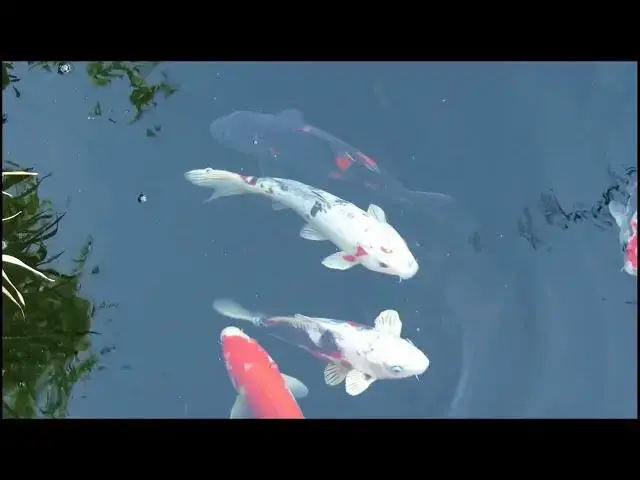
Learn how to identify and treat gill damage in koi fish. This video covers common causes, symptoms, diagnosis methods, and treatment options for gill issues. Discover practical tips for maintaining healthy gills and preventing future problems in your ornamental carp.
Show More Show Less View Video Transcript
0:00
koi fish gill Health spotting and
0:02
solving problems koi fish are prized for
0:05
their beauty and Grace but these
0:07
ornamental carp can face health
0:09
challenges that threaten their
0:11
well-being one of the most serious
0:12
issues KO owners May encounter is Gill
0:14
damage healthy gills are crucial for a
0:17
koi survival as they enable the fish to
0:19
breathe and regulate important bodily
0:22
functions in this video we'll explore
0:24
how to identify and treat Guild damage
0:26
in koi ensuring your aquatic pets remain
0:30
healthy and vibrant Gil damage in koi
0:32
can Ur due to various factors poor water
0:36
quality is a primary culprit with high
0:38
levels of ammonia nitrites or chlorine
0:41
causing irritation and damage to the
0:43
delicate Gilt tissue parasitic
0:45
infections bacterial diseases and
0:47
physical injuries from rough handling or
0:49
accidents can also harm the gills
0:51
additionally sudden changes in water
0:54
temperature or P levels May stress the
0:57
fish and contribute to Gill problems Rec
0:59
recognizing the symptoms of Gill damage
1:02
is crucial for early intervention look
1:04
out for koid gasping at the water
1:06
surface as this indicates difficulty
1:09
breathing you might notice rapid Gill
1:12
movements or koi keeping their gills
1:14
clamped shut discolored gills appearing
1:17
pale red or with visible spots are
1:20
another warning signs affected fish may
1:23
also show a loss of appetite Lethy or
1:27
unusual swimming patterns to diagnose
1:29
skill damage carefully observe your Ko's
1:33
behavior and appearance if you suspect a
1:36
problem gently catch the fish using a
1:38
soft net and examine its gills healthy
1:41
gills should be deep red or pink while
1:44
damaged gills may appear pale inflamed
1:47
or have visible lesions in severe cases
1:50
you might see parasites or excess mucus
1:53
on the gills if you're unsure consider
1:57
Consulting a veterinarian specializing
1:59
in fish health for professional
2:01
diagnosis treatment for Guild damage
2:04
depends on the underlying cause first
2:06
address any water quality issues by
2:08
performing a partial water change and
2:11
testing for ammonia nitrites and pH
2:13
levels adjust these parameters as needed
2:16
for parasitic infections treat the pond
2:19
with appropriate anti-parasitic
2:20
medications following the manufacturer's
2:23
instructions bacterial infections may
2:25
require antibiotics which should be
2:27
administered under Veterinary guidance
2:29
in case es of physical damage or severe
2:32
irritation salt baths can be beneficial
2:35
use aquarium salt at concentration of
2:38
0.3% which is about 3 tpoon per gallon
2:41
of water place the affected koi in this
2:43
salt bath for 15 to 30 minutes
2:46
monitoring them closely this treatment
2:48
can help reduce stress and promote
2:51
healing of the gild tissue for ongoing
2:54
care maintain excellent water quality by
2:57
regularly cleaning your pond or tank and
2:59
and ensuring proper filtration feed your
3:02
koi a highquality balanced diet to boost
3:05
their immune system consider adding
3:06
beneficial bacteria to your pond to help
3:09
maintain a healthy ecosystem preventing
3:11
Guild damage is always preferable to
3:13
treating it Implement a regular
3:15
maintenance schedule for your pond
3:17
including partial water changes and
3:19
filter cleaning test water parameters
3:21
frequently and address any imbalances
3:24
promptly when handling koi use gentle
3:27
techniques and soft Nets to avoid
3:29
physical damage quarantine new fish
3:31
before introducing them to your main
3:33
Pond to prevent the spread of parasites
3:34
or diseases Gill damage in koi is a
3:37
serious condition that requires prompt
3:40
attention and Care by understanding the
3:42
causes recognizing the symptoms and
3:45
knowing how to treat this issue you can
3:47
ensure the Health and Longevity of your
3:49
koi remember maintaining optimal water
3:52
conditions and practicing good Pond
3:54
management are key to preventing Gill
3:56
problems and keeping your koi thriving
3:59
with proper care and attention your koi
4:01
can continue to be a source of beauty
4:03
and joy in your aquatic Garden for years
4:05
to come
#Pets
#Fish & Aquaria
#Fish & Aquaria
#Aquaculture