Up next in 10


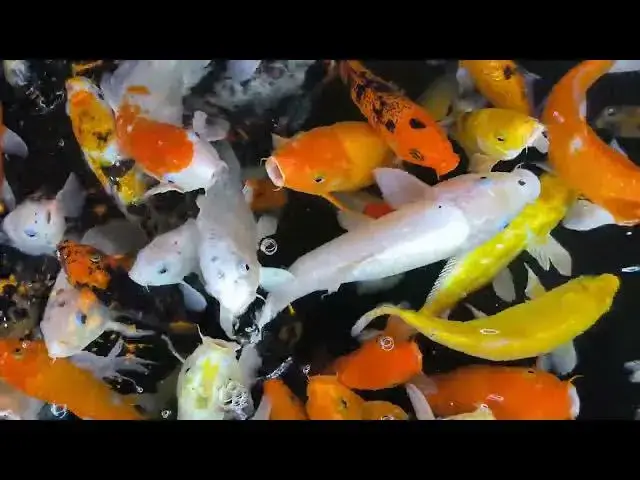
Learn the best practices for feeding koi fish in shallow ponds. This video covers choosing the right food, proper feeding techniques, seasonal adjustments, and water quality management to keep your koi healthy and vibrant.
Show More Show Less View Video Transcript
0:00
koi fish feeding tips for shallow ponds
0:03
koi fish are beautiful and captivating
0:07
creatures that can bring life and color
0:09
to any Pond however feeding these
0:11
elegant fish in Shallow ponds requires
0:14
special care and attention in this video
0:17
we will explore the best practices for
0:19
feeding koi fish in Shallow Pond
0:21
environments to ensure their health and
0:24
vitality koi fish are omnivorous and
0:26
have specific dietary needs that must be
0:29
met for optimal growth and vibrant
0:32
coloration in their natural habitats
0:34
they consume a variety of foods
0:36
including algae plants insects and small
0:39
crustaceans in Shallow ponds replicating
0:42
this diverse diet can be challenging but
0:45
it is essential for their well-being
0:47
shallow ponds present unique challenges
0:50
when it comes to feeding koi The Limited
0:52
water volume means that uneaten food and
0:54
fish waste can quickly accumulate
0:56
leading to poor water quality this makes
0:59
it crucial to choose the right type of
1:01
food and employ proper feeding
1:03
techniques for koi and shallow ponds it
1:06
is best to use floating pellets
1:08
specifically formulated for koi these
1:11
pellets are designed to stay on the
1:12
water surface making it easier for the
1:14
fish to feed and for you to monitor
1:16
their eating habits look for high
1:18
quality pellets that contain a balance
1:20
of proteins fats vitamins and minerals
1:23
you can also supplement their diet with
1:25
fresh vegetables like lettuce spinach or
1:28
watermelon as occasional treats when
1:30
feeding KO in Shallow ponds it is
1:32
important to follow some key practices
1:35
first feed small amounts multiple times
1:37
a day rather than one large feeding this
1:40
helps prevent overfeeding and reduces
1:42
the risk of excess food polluting the
1:45
water observe your koi closely during
1:47
feeding times and remove any uneaten
1:49
food after a few minutes it is also
1:51
crucial to adjust your feeding routine
1:54
according to the seasons in warmer
1:56
months when koi are more active they
1:58
will require more food as temperatures
2:00
drop in autumn and winter reduce the
2:03
amount and frequency of feeding when
2:05
water temperatures fall below 50° fah
2:07
you may need to stop feeding altogether
2:10
as koi's metabolism slows down
2:12
significantly monitoring water quality
2:14
is particularly important in Shallow
2:17
ponds regular testing for ammonia
2:19
nitrites and pH levels is essential if
2:24
you notice a decline in water quality it
2:27
may be necessary to reduce feeding or
2:29
perform more frequent water changes to
2:32
sum up feeding koi fish in Shallow ponds
2:35
requires a thoughtful approach use high
2:38
quality floating pellets feed in small
2:40
amounts multiple times a day adjust your
2:43
feeding schedule seasonally and closely
2:45
monitor water quality by following these
2:48
guidelines you can ensure that your koi
2:50
remain healthy colorful and thriving in
2:53
their shallow Pond environment remember
2:56
uh wellfed K is a happy koi and uh Happy
3:01
koyi will bring joy and Beauty to your
3:03
pond for years to come
#Pets & Animals
#Pet Food & Pet Care Supplies
#Fish & Aquaria
#Fish & Aquaria