Up next in 10


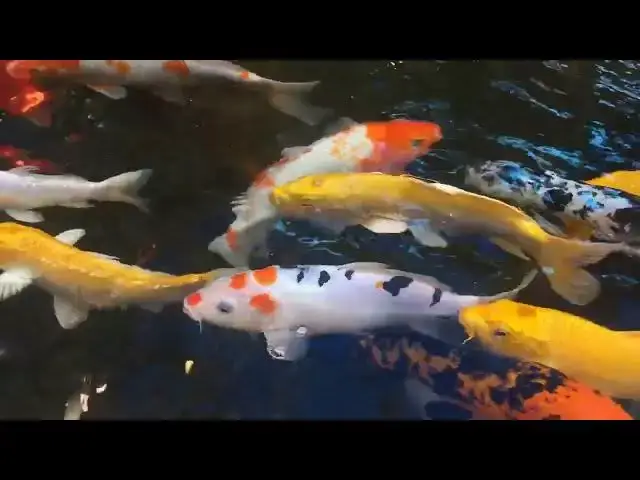
Learn how to properly feed your koi fish throughout the year. This video covers seasonal feeding schedules, food types, feeding techniques, and mistakes to avoid. Discover how to keep your koi healthy and vibrant with the right nutrition and care.
Show More Show Less View Video Transcript
0:00
koi fish feeding diet schedules tips and
0:03
common mistakes KO fish are not just
0:06
beautiful ornamental creatures they're
0:08
living beings that require proper care
0:11
and nutrition one of the most crucial
0:13
aspects of koi care is maintaining an
0:15
appropriate feeding schedule in this
0:17
video we'll explore everything you need
0:20
to know about feeding your koi fish to
0:23
keep them healthy vibrant and thriving
0:26
before diving into specific schedules
0:28
it's important to understand that
0:30
several factors influence how often and
0:32
how much you should feed your koi these
0:34
include the season water temperature
0:37
size of your fish and overall Pond
0:39
conditions koi are cold blooded
0:42
creatures which means their metabolism
0:44
and activity levels change with the
0:46
temperature let's start with spring and
0:48
fall the transitional Seasons as water
0:51
temperatures range between 10 and 18°
0:53
cus koi become more active during these
0:56
periods feed your koi two to three times
0:59
a day but only give them as much food as
1:01
they can consume within 5 minutes this
1:03
prevents overfeeding and helps maintain
1:06
water quality summer is when your koi
1:08
are most active with water temperatures
1:10
between 18 and 25° C their metabolism is
1:14
at its peak you can feed them three to
1:16
four times a day again providing only
1:19
what they can eat in about 5 minutes
1:22
remember it's better to underfeed
1:24
slightly than to overfeed winter feeding
1:26
is quite different when water
1:28
temperatures drop below 10° C Ko's
1:32
metabolism slows dramatically at this
1:34
point you should reduce feeding to once
1:37
every few days or stop altogether if
1:39
temperatures fall below 4° C KOA can
1:42
survive on their fat reserves during
1:44
cold months and feeding them when they
1:46
can't digest properly can lead to health
1:48
issues now let's talk about the types of
1:50
food and feeding techniques koi thrive
1:53
on a very diet highquality koi pellets
1:56
should form the base of their diet
1:58
supplemented with fresh fruits and veget
1:59
vegetables and occasional treats like
2:01
silk worms or shrimp always choose food
2:04
appropriate for the size of your koi to
2:06
prevent choking when it comes to feeding
2:08
techniques consider using a floating
2:10
food ring this concentrates the food in
2:13
one area making it easier for you to
2:15
observe your Ko's eating habits and
2:17
remove any uneaten food it also helps
2:20
prevent the food from being blown around
2:22
by wind there are several common
2:24
mistakes to avoid when feeding chlo
2:26
overfeeding is perhaps the most frequent
2:28
error it can lead to PO water quality
2:30
and health problems for your fish
2:32
another mistake is failing to adjust the
2:34
feeding schedule as seasons change
2:36
Always monitor water temp temperature
2:38
and adjust accordingly lastly don't fall
2:40
into the Trap of feeding your koi human
2:42
food regularly while the occasional
2:44
treat is fine foods high in
2:46
carbohydrates or fats can cause health
2:48
issues for your koi in conclusion
2:51
feeding koi is both an art and a science
2:54
it requires careful observation of your
2:57
fish and their environment remember
2:59
every pond is unique and what works for
3:01
one might not work for another pay
3:03
attention to your Ko's Behavior adjust
3:05
your feeding schedule as needed and
3:07
you'll be rewarded with healthy active
3:10
and colorful fish with proper care and
3:12
feeding your koi can live for decades
3:14
bringing Beauty and Tranquility to your
3:17
pond for years to come
#Pets
#Fish & Aquaria
#Fish & Aquaria