Up next in 10


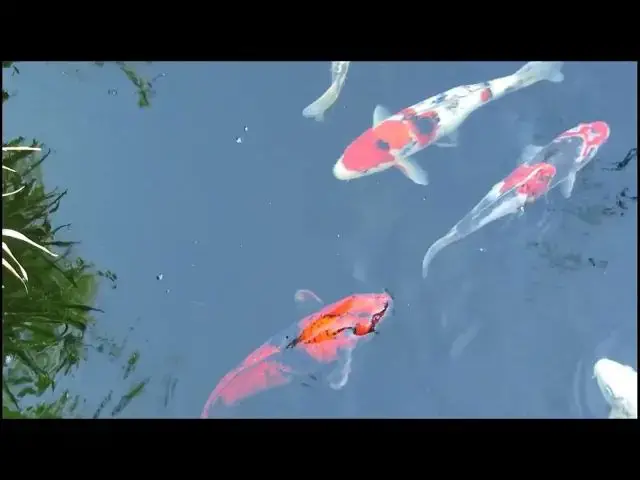
Learn how to identify, treat, and prevent eye infections in koi fish. This video covers common causes, key symptoms to watch for, and effective treatment methods to keep your koi healthy and vibrant.
Show More Show Less View Video Transcript
0:00
koi fisheye infections causes symptoms
0:03
and treatment KO fish are prized for
0:05
their beauty and vibrant colors but like
0:07
all living creatures they can face
0:09
health issues one common problem that
0:11
COA owners encounter is eye infections
0:15
these infections can be distressing for
0:17
both the fish and their caretakers but
0:19
with proper knowledge and care they can
0:21
be effectively treated and prevented eye
0:23
infections in koi can stem from various
0:25
causes poor water quality is often the
0:28
primary culprit as high levels of
0:30
ammonia or nitrites can irritate the
0:32
fish's eyes physical injuries from rough
0:34
handling or conflicts with other fish
0:36
can also lead to infections sometimes
0:39
parasites or bacteria in the water can
0:41
Target the eyes especially if the fish's
0:43
immune system is compromised recognizing
0:45
the symptoms of eye infections in koi is
0:48
crucial for early intervention look out
0:51
for cloudy or opaque eyes which may
0:53
appear white or gray instead of clear
0:55
you might notice the fish rubbing its
0:58
eyes against objects in the pond a sign
1:00
of irritation swollen or protruding eyes
1:04
known as exelia can indicate a more
1:07
severe infection in some cases you may
1:10
see redness around the eye area or even
1:13
ulcers on the cornea if you suspect an
1:15
eye infection the first step is to
1:17
carefully observe the affected fish use
1:20
a small clean container with pond water
1:23
to temporarily isolate the koi for a
1:26
closer examination this will allow you
1:28
to get a better look at the eye without
1:29
stressing the fish too much take note of
1:32
any specific symptoms you see as this
1:35
information will be valuable for
1:36
determining the appropriate treatment
1:38
treatment for koi infections often
1:41
involves a multi-step approach first
1:44
it's essential to address the underlying
1:46
cause test your pond water for ammonia
1:49
nitrites and pH levels and make
1:51
necessary adjustments to improve water
1:54
quality if the infection is bacterial
1:57
you may need to treat the entire pond
1:59
with a broad spectrum antibiotics
2:02
specifically designed for fish for
2:04
parasitic infections appropriate
2:06
anti-parasitic medications can be added
2:09
to the water for individual treatment
2:11
you can create a salt bath using
2:13
aquarium salt dissolve about 3 to 5
2:15
tablespoons of salt per gallon of water
2:18
and place the affected koi in this
2:20
solution for 5 to 10 minutes this can
2:22
help reduce swelling and fight off some
2:25
types of infections always monitor the
2:27
fish closely during this process and
2:29
return it to fresh water if it shows
2:31
signs of stress in more severe cases you
2:34
may need to apply topical treatments
2:36
directly to the affected eye antibiotic
2:38
eye drops formulated for fish can be
2:40
gently applied to the eye area be sure
2:43
to follow the product instructions
2:45
carefully and use clean hands or sterile
2:48
gloves when handling the fish throughout
2:50
the treatment process it's crucial to
2:52
maintain excellent water quality in your
2:54
pond perform regular water changes and
2:57
ensure your filtration system is working
2:59
efficiently reduce feeding slightly
3:02
during treatment as this can help
3:04
maintain water Clarity and reduce stress
3:07
on the fish's system prevention is
3:09
always better than cure when it comes to
3:11
koi Health to minimize the risk of eye
3:14
infections maintain consistent water
3:17
quality through regular testing and
3:19
appropriate filtration avoid
3:21
overcrowding your pond as this can lead
3:23
to increased stress and faster spread of
3:26
infections when adding new fish to your
3:28
pond always please quarantine them first
3:31
to prevent introducing diseases to your
3:33
existing population regular observation
3:35
of your koi is key to catching any
3:37
health issues early take time each day
3:39
to watch your fish noting their behavior
3:42
and appearance this will help you
3:43
quickly spot any changes that might
3:46
indicate a developing problem eye
3:48
infections in koi can be concerning but
3:50
with prompt attention and proper care
3:53
most cases can be successfully treated
3:55
by maintaining a clean healthy
3:57
environment and staying Vigilant you can
3:59
ensure your koi remain healthy and
4:01
continue to Delight with their beauty
4:03
for years to come remember if you're
4:05
ever unsure about your fish's health or
4:07
the appropriate treatment don't hesitate
4:09
to consult with a veterinarian
4:11
specializing in fish care
#Pets
#Fish & Aquaria
#Fish & Aquaria
#Aquaculture