live_tv
Livestream Starting Soon
00
Hours
:
00
Minutes
:
00
Seconds
Up next in 10


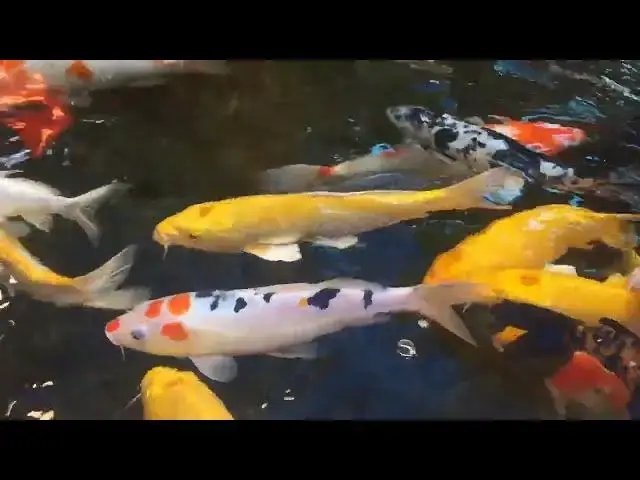
Koi Fish and Their Young A Surprising Behavior
Show More Show Less View Video Transcript
0:00
koi fish and their young a surprising
0:03
Behavior koi fish with their vibrant
0:05
colors and graceful movements have
0:08
captivated Pond enthusiasts for
0:10
centuries but beneath the surface of
0:12
their Serene appearance lies a
0:14
surprising behavior that might shock
0:16
some fish Keepers do koi fish really eat
0:19
their own young koi are ornamental
0:21
varieties of the common carp originating
0:24
from East Asia these colorful fish have
0:26
been selectively bred for their unique
0:28
patterns and colors becoming popular
0:31
additions to outdoor ponds and Water
0:33
Gardens worldwide koi can grow quite
0:36
large sometimes reaching lengths of up
0:38
to 3 ft and they have a lifespan that
0:40
can exceed 50 years with proper care now
0:43
to address the main question yes koi
0:46
fish do indeed eat their own young this
0:49
Behavior known as filial cannibalism is
0:52
not uncommon in the Fish World koi
0:54
parents will often consume their own
0:56
eggs and Fry which are newly hatched
0:58
fish this might seem cruel or
1:01
counterintuitive from a human
1:03
perspective but in the world of fish it
1:05
serves several purposes one reason for
1:07
this behavior is Resource Management in
1:10
the wild not all eggs or fry Will
1:12
Survive to adulthood by eating some of
1:14
their young adult coai are essentially
1:17
recycling the nutrients and energy back
1:19
into their own bodies this can be
1:21
especially important in environments
1:23
where food resources are limited another
1:26
factor is population control koi can lay
1:28
thousands of eggs at a time if all of
1:30
these eggs were to hatch and survive it
1:32
could quickly lead to overpopulation
1:35
which would strain the available
1:36
resources in their habitat by reducing
1:38
the number of Offspring adult COA help
1:41
maintain balance in their ecosystem
1:43
stress can also play a role in this
1:45
behavior in captivity if koi feel
1:48
threatened or if their environment is
1:49
not optimal they may be more likely to
1:52
eat their eggs or fry this is a survival
1:54
Instinct as stressed fish May
1:57
instinctively decide that current
1:59
conditions are not suitable for raising
2:01
young for koi breeders and enthusiasts
2:03
who want to raise koi fry this natural
2:06
behavior presents a challenge to prevent
2:09
adult koi from eating their young
2:11
breeders employ several strategies one
2:15
common method is to remove the eggs from
2:17
the main Pond immediately after they are
2:19
laid and fertilized the eggs are then
2:21
placed in separate hatching tanks where
2:23
they can develop safely away from the
2:25
adult fish another approach is to
2:28
provide plenty of hiding places for the
2:30
fry in the main Pond dense aquatic
2:32
plants or special fry saving Nets can
2:34
give young koi a chance to hide and grow
2:37
until they are large enough to avoid
2:39
being eaten by adults additionally
2:41
ensuring that adult koi are well fed can
2:44
reduce the likelihood of them praying on
2:46
their offspring understanding this
2:48
aspect of koi behavior is crucial for
2:50
anyone interested in greeding these
2:52
beautiful fish while it may seem harsh
2:54
it's important to remember that this is
2:56
a natural behavior that has evolved over
2:59
millions millions of years by
3:01
recognizing and working with these
3:02
instincts koe Keepers can successfully
3:05
raise new generations of these beloved
3:07
ornamental fish in the end the fact that
3:10
KO fish eat their young doesn't diminish
3:12
their appeal as pond fish it simply
3:14
highlights the complex and sometimes
3:16
surprising behaviors that exist in the
3:18
natural world by understanding and
3:20
respecting these behaviors we can better
3:23
appreciate the true nature of these
3:25
fascinating creatures that Grace our
3:26
ponds and Water Gardens
#Fishing
#Pets
#Fish & Aquaria
#Fish & Aquaria
#Aquaculture