Up next in 10


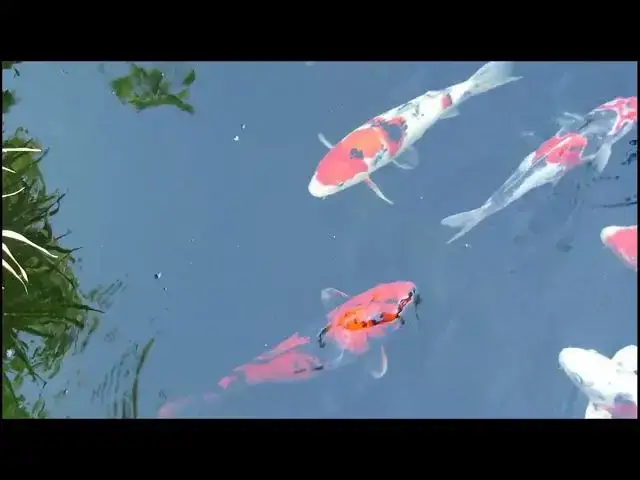
Learn how to maintain a healthy environment for your koi fish. This video covers effective filtration, water testing, beneficial bacteria, proper feeding, and pond design to prevent water pollution and ensure your koi thrive.
Show More Show Less View Video Transcript
0:00
keep your Koi pond clean essential tips
0:02
for water quality koi fish are living
0:05
Jewels gracing our ponds with their
0:08
vibrant colors and graceful movements
0:10
but their beauty can quickly fade if
0:13
their watery home becomes polluted today
0:16
we're exploring how to prevent water
0:17
pollution in koi fish ponds ensuring
0:20
these magnificent creatures thrive in a
0:23
clean healthy environment water
0:24
pollution in Ko ponds can arise from
0:26
various sources overfeeding inadequate
0:29
filtration
0:30
and por Pond design are common culprits
0:33
when left unchecked these factors lead
0:35
to an accumulation of waste excess
0:37
nutrients and harmful bacteria creating
0:40
a toxic environment for your koi at the
0:43
heart of pollution prevention is a
0:45
robust filtration system
0:48
uh well-designed filter removes Solid
0:52
Waste breaks down harmful chemicals and
0:55
promotes beneficial bacterial growth
0:57
your system should include mechanical
0:59
filt ation to remove debris biological
1:02
filtration to process ammonia and
1:04
nitrites and potentially chemical
1:07
filtration to find- tune water
1:08
parameters ensure your filter is
1:11
appropriately sized for your pond volume
1:13
and fish load regular water testing is
1:16
crucial in maintaining a healthy kipon
1:18
test for ammonia nitrites nitrates and P
1:23
at least weekly ammonia and nitrit
1:25
should always be zero while nitrate
1:27
should be kept below 20 parts per Mill
1:29
million the patch should remain stable
1:32
ideally between 7.2 and 7.6 if any
1:36
parameters are off take immediate
1:39
corrective action to prevent stress on
1:41
your koi beneficial bacteria play a
1:43
vital role in maintaining water quality
1:45
these microscopic helpers break down
1:48
fish waste and decaying organic matter
1:51
converting harmful ammonia into less
1:54
toxic compounds encourage a thriving
1:57
bacterial Colony by avoiding harsh
1:59
chemical
2:00
maintaining consistent water parameters
2:03
and considering the use of bacterial
2:05
supplements during Pond startup or after
2:08
major cleanings proper feeding practices
2:10
are essential in preventing water
2:12
pollution overfeeding is a common
2:14
mistake that leads to excess waste and
2:16
uneaten food decomposing in the water
2:19
feed your koi only what they can consume
2:21
in about 5 minutes 2 to three times a
2:23
day during warm months in colder
2:25
temperatures reduce feeding frequency
2:28
and amount as the fish's metabolism
2:31
slows the design of your pond
2:33
significantly impacts water quality
2:36
ensure proper circulation to eliminate
2:38
dead spots where debris can accumulate
2:41
incorporate plants into your pond design
2:44
they absorb excess nutrients and provide
2:47
natural filtration however be mindful of
2:50
falling leaves and decaying plant matter
2:53
which can contribute to pollution if not
2:55
managed properly maintaining clean water
2:57
in your Koi pond is an ongoing process
3:00
that requires attention and Care by
3:02
implementing a strong filtration system
3:04
regularly testing water quality
3:06
supporting beneficial bacteria
3:08
practicing proper feeding and optimizing
3:11
Pond design you can create a pristine
3:13
aquatic environment remember a clean
3:16
Pond not only showcases the beauty of
3:18
your koid but also ensures their Health
3:21
and Longevity with these practices in
3:23
place you'll be rewarded with the sight
3:25
of your koi fish thriving in crystal
3:27
clear waters for years to come
#Pets
#Fish & Aquaria
#Fish & Aquaria