Up next in 10


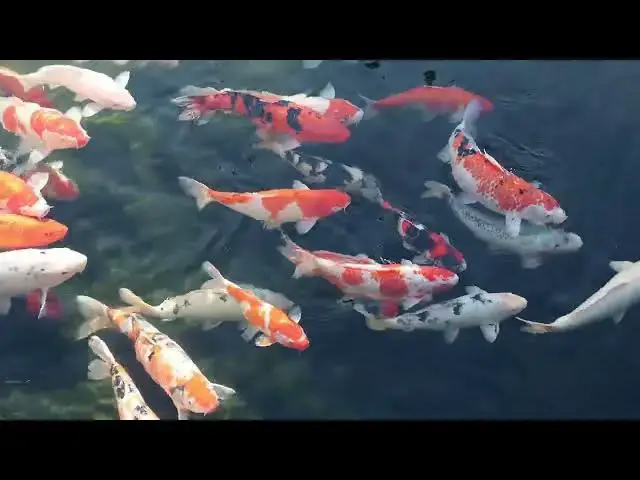
Learn how to care for koi fish injured during winter. This video covers common cold-weather injuries, prevention tips, treatment methods, and recovery strategies to keep your koi healthy in colder months. Discover proper quarantine procedures, medication use, and nutrition advice for injured fish.
Show More Show Less View Video Transcript
0:00
how to treat winter injuries in koi fish
0:02
winter can be a challenging time for koi
0:04
fish often leading to injuries that
0:06
require special care this video will
0:09
guide you through the process of
0:10
treating winter injuries in koi fish
0:13
ensuring your aquatic pets remain
0:15
healthy during the colder months koi
0:17
fish are susceptible to various injuries
0:19
during winter primarily due to ice
0:21
formation and reduced metabolism the
0:23
most common winter injuries include fin
0:26
damage scale loss and bodily abrasions
0:29
these injuries of often occur when fish
0:31
bump into ice or scrape against rough
0:33
surfaces in their attempt to find warmer
0:35
water prevention is always better than
0:38
cure to minimize the risk of winter
0:41
injuries maintain a hole in the ice
0:43
surface to allow for proper gas exchange
0:46
use a Decker or Pond heater to prevent
0:50
complete freezing ensure your pond has
0:52
adequate depth ideally at least 4T to
0:55
provide a stable environment for your
0:57
koi if your koi do sustain injuries
1:01
prompt treatment is crucial for fin
1:04
damage first isolate the affected fish
1:06
in a quarantine tank treat the water
1:09
with a broad spectrum antibiotic to
1:11
prevent infection gently clean the
1:13
injured area with a soft brush and apply
1:15
an antiseptic solution specifically
1:18
designed for fish scale loss and bodily
1:20
abrasions require similar treatment
1:23
clean the effected areas carefully and
1:25
apply a fish safe wound sealant this
1:28
will help protect the injury from
1:29
waterborne pathogens monitor the fish
1:32
closely for signs of infection such as
1:34
redness or swelling around the injury
1:36
site during the treatment process
1:38
maintain excellent water quality in the
1:40
quarantine tank perform regular water
1:43
changes and use a high quality filter
1:45
keep the water temperature stable
1:47
ideally between 50 and 55° F this
1:52
temperature range supports healing while
1:54
keeping the fish's metabolism at an
1:56
appropriate level proper nutrition is
1:59
vital for recovery feed your injured koi
2:01
a high quality easily digestible food
2:04
rich in vitamins and minerals however be
2:07
cautious not to overfeed as koi have
2:10
slower metabolisms in Winter stress
2:12
reduction is another crucial aspect of
2:15
treatment minimize handling of the
2:16
injured fish and ensure the quarantine
2:18
environment is quiet and calm consider
2:21
adding aquarium salt to the water as it
2:23
can help reduce stress and promote
2:25
healing monitor your koise progress
2:27
closely look for signs of improve
2:29
Improvement such as reduced inflammation
2:32
and the regrowth of damaged tissue if
2:34
you notice any deterioration or lack of
2:36
improvement after a few days consult a
2:39
veterinarian specializing in fish health
2:42
once your koi shows significant signs of
2:44
recovery you can gradually reintroduce
2:47
it to the main Pond do this slowly
2:50
allowing the fish to acclimate to any
2:52
differences in water parameters remember
2:54
preventing winter injuries is always
2:56
preferable to treating them proper Pond
2:59
design regular maintenance and attentive
3:02
care can go a long way in keeping your
3:04
KO safe and healthy throughout the
3:06
winter months by following these
3:07
guidelines you can effectively treat
3:10
winter injuries in your koi fish
3:12
ensuring they remain healthy and vibrant
3:15
year round with proper care and
3:17
attention your koi can successfully
3:19
navigate the challenges of winter and
3:21
continue to bring Beauty and Tranquility
3:23
to your pond
#Pets & Animals
#Pets
#Fish & Aquaria
#Fish & Aquaria