Up next in 10


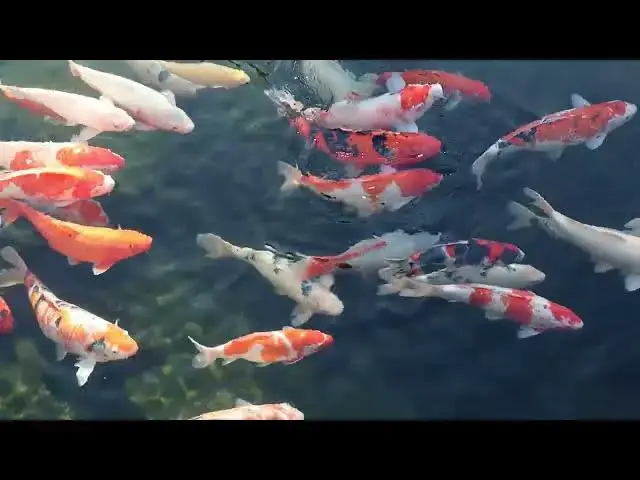
Learn how to identify and eliminate excess phosphates in your Koi pond. This video covers testing methods, removal techniques, and prevention strategies to maintain a healthy environment for your Koi fish. Discover practical tips for managing phosphate levels and promoting a balanced ecosystem in your pond.
Show More Show Less View Video Transcript
0:00
how to remove phosphates from your koi
0:01
Pon phosphates in Koons can lead to
0:04
algae overgrowth and for water quality
0:06
potentially harming your prized fish
0:08
this video will guide you through the
0:10
process of identifying and removing
0:13
excess phosphates from your Koi pond
0:15
ensuring a healthier environment for
0:17
your aquatic pets phosphates are
0:20
compounds containing phosphorus that
0:21
naturally occur in water while some
0:24
phosphates are necessary for plant
0:26
growth excessive levels can cause
0:28
significant problems in o ponds High
0:31
phosphate concentrations often result in
0:33
algae blooms which deplete oxygen levels
0:36
and create an unhealthy ecosystem for
0:38
your koi before taking action it's
0:41
crucial to identify the signs of high
0:43
phosphate levels in your pond look for
0:46
Rapid algae growth especially string
0:48
algae or greenw your koi may also show
0:51
signs of stress such as Lethy or loss of
0:53
appetite if you notice these symptoms
0:55
it's time to test your pond water
0:58
testing for phosphates is a straight
1:00
forward process purchase a phosphate
1:02
test kit from your local pet store or
1:04
online these kits typically use liquid
1:06
reagents or test strips to measure
1:08
phosphate levels follow the instructions
1:10
carefully and aim for phosphate levels
1:13
below 0.5 parts per million for optimal
1:16
koi Health once you've confirmed High
1:18
phosphate levels there are several
1:20
methods to remove them the first and
1:22
most basic approach is performing
1:24
regular water changes replace 10 to 20%
1:27
of your pond water weekly with fresh
1:30
dechlorinated water this dilutes the
1:32
phosphate concentration and helps
1:34
maintain overall Water Quality Chemical
1:36
treatments are another effective option
1:38
for phosphate removal products
1:40
containing lanthanum chloride or
1:42
aluminum sulfate can bind to phosphates
1:45
making them insoluble and easy to filter
1:48
out always follow the manufacturer's
1:50
instructions and dose carefully as
1:52
overdosing can harm your COA natural
1:55
methods can also help control phosphate
1:57
levels introduce aquatic plant plants
2:00
like water lies corn wart or anaras to
2:03
your pond these plants compete with
2:05
algae for nutrients including phosphates
2:08
additionally beneficial bacteria can
2:10
break down organic matter reducing the
2:13
source of phosphates consider adding a
2:15
bacterial supplement designed for ponds
2:17
to boost this natural process preventing
2:20
future phosphate buildup IS key to
2:22
long-term Pond Health avoid overfeeding
2:25
your koi as uneaten food contributes to
2:28
phosphate levels you use a highquality
2:31
low phosphate fish food regularly remove
2:35
debris such as fallen leaves and dead
2:37
plant matter from your pond maintain
2:40
your filtration system cleaning or
2:42
replacing media as needed to ensure
2:44
efficient nutrient removal proper
2:46
phosphate management is essential for a
2:49
thriving Koi pond by regularly testing
2:51
your water implementing removal methods
2:54
and practicing prevention you can
2:56
maintain optimal phosphate levels this
2:59
creates a balanced ecosystem where your
3:01
koi can flourish displaying their
3:03
vibrant colors and energetic Behavior
3:06
remember a healthy Pawn leads to healthy
3:09
happy koi
#Pets
#Fish & Aquaria
#Fish & Aquaria