Up next in 10


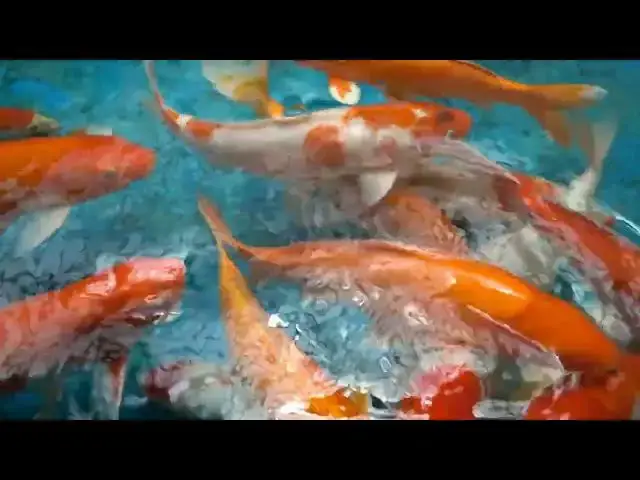
Learn essential steps to manage frozen koi ponds and protect your fish during winter. This video covers prevention techniques, monitoring methods, safe thawing procedures, and post-thaw care to ensure your koi's health and survival in freezing temperatures.
Show More Show Less View Video Transcript
0:00
how to handle Frozen koi ponds a winter
0:02
survival guide Frozen koi ponds can be a
0:05
serious concern for fish Keepers in
0:07
colder climates proper management is
0:10
crucial to ensure the survival and
0:12
health of your koi during freezing
0:15
temperatures this video will guide you
0:17
through the steps to handle Frozen koi
0:20
fish ponds effectively first let's
0:22
discuss prevention the best way to
0:24
handle a frozen pond is to prevent it
0:26
from freezing completely in the first
0:28
place before winter sets in make sure
0:30
your pond is at least 3 ft deep this
0:32
depth provides a warmer Zone at the
0:34
bottom where koi can gather install Pond
0:36
D Acer or floating heater to maintain an
0:40
open area on the surface this allows for
0:43
proper gas exchange and prevents toxic
0:45
gases from building up under the ice
0:48
next consider adding a pond erator or
0:51
air pump this will help circulate the
0:53
water and create movement making it
0:54
harder for ice to form you should also
0:57
remove fallen leaves and debris from the
0:59
pond to prevent Decay that can deplete
1:02
oxygen levels once freezing temperatures
1:04
arrive regular monitoring becomes
1:07
essential check your pond daily to
1:09
ensure the dier is functioning and that
1:11
there's an open area on the surface
1:13
listen for the sound of the aerator to
1:14
confirm it's still working if you notice
1:16
your koi Gathering near the surface it
1:19
could indicate low oxygen levels
1:21
requiring immediate action if your pond
1:24
does freeze over never break the ice by
1:26
hitting it the shock waves can be
1:28
harmful or even fatal to your Koy
1:30
instead use a pot of hot water to melt a
1:34
hole in the ice place the pot on the ice
1:36
and let it slowly melt through once you
1:39
have an opening you can use a pond
1:41
heater to keep it from refreezing in
1:43
emergency situations where the entire
1:44
pond is frozen and you can't see your
1:46
fish you may need to take more drastic
1:48
measures use a pond heater or multiple
1:51
heaters to slowly thaw a larger area if
1:54
you suspect the oxygen levels are
1:56
critically low you might need to
1:58
carefully remove some of the ice to
2:00
increase surface area for gas exchange
2:03
however this should be done with Extreme
2:05
Caution to avoid harming the fish after
2:07
the paon thaws is crucial to monitor
2:10
water quality closely the freezing
2:12
process can alter the water chemistry
2:14
potentially stressing your koi test the
2:16
water parameters regularly and perform
2:19
partial water changes if necessary keep
2:21
a close eye on your fish for any signs
2:23
of stress or illness such as unusual
2:25
behavior or visible injuries resume
2:28
feeding your koi gradually as the water
2:30
temperature rises above 40° F start with
2:34
easily digestible foods and small
2:36
amounts to avoid overwhelming their
2:38
digestive systems to summarize handling
2:41
Frozen koipond involves prevention
2:44
through proper depth and Equipment
2:46
regular monitoring during cold periods
2:48
safe thawing methods emergency measures
2:50
when necessary and careful post tha Care
2:54
by following these guidelines you can
2:56
help ensure your koi survive and thrive
2:58
even in the coldest winters remember
3:00
preparation and vigilance are key to
3:02
maintaining a healthy Koi pond year
3:04
round
#Pets & Animals
#Fish & Aquaria