Up next in 10


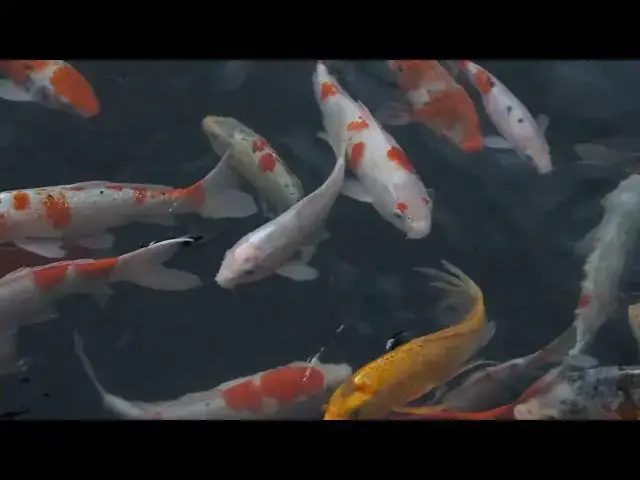
Discover how water quality impacts koi fish behavior, from swimming patterns to feeding habits. Learn about key water parameters and their effects on koi health, and get tips for maintaining a thriving pond ecosystem.
Show More Show Less View Video Transcript
0:00
how poor water quality affects koi fish
0:03
Behavior koi fish with their vibrant
0:05
colors and graceful movements have
0:08
captivated Pond enthusiasts for
0:10
centuries these living Jewels transform
0:12
ordinary Water Gardens into mesmerizing
0:15
aquatic sanctuaries however the beauty
0:17
and vitality of koi are intricately
0:19
linked to the quality of their watery
0:21
home today we explore the profound
0:24
impact that poor water quality can have
0:27
on qu fish Behavior water quality is the
0:29
corner Stone of koi health and happiness
0:32
these sensitive creatures rely on their
0:34
environment for every aspect of their
0:36
lives from breeding to feeding when
0:38
water quality deteriorates it doesn't
0:40
just affect the physical health of koi
0:43
it significantly Alters their behavior
0:45
in ways that can be both subtle and
0:48
dramatic several key water parameters
0:50
play crucial roles in koi well-being
0:53
these include dissolved oxygen levels
0:55
peaked balance ammonia and nitrite
0:58
concentrations and water water
1:00
temperature each of these factors can
1:02
influence koi behavior in unique ways
1:04
when they fall outside the optimal range
1:07
let's start with dissolved oxygen koi
1:10
like all fish require oxygen to survive
1:13
it in poorly oxygenated water koi May
1:16
exhibit signs of distress you might
1:18
observe them gasping at the surface a
1:21
behavior known as piping they may also
1:23
become lethargic spending more time near
1:25
the surface where oxygen levels are
1:27
slightly higher in severe cases koi
1:30
might even lay on their sides struggling
1:32
to breathe the PA level of the water is
1:35
another critical Factor koi thrive in
1:38
water with a PA between 7 and 8 when paa
1:41
levels drift too far from this range koi
1:43
can become stressed this stress often
1:46
manifests as erratic swimming patterns
1:48
darting movements or rubbing against
1:50
surfaces in the pond a behavior called
1:53
flashing ammonia and nutrite both toxic
1:57
to fish can accumulate in poorly
1:59
maintained ponds even at low levels
2:02
these compounds can cause koi to behave
2:04
unusually you might notice them swimming
2:06
in unusual patterns often near the water
2:09
inlets where the water quality might be
2:11
slightly better they may also show a
2:13
lack of appetite or become overly
2:14
skittish fleeing at the slightest
2:17
disturbance water temperature also plays
2:19
a significant role in koi behavior in
2:22
water that's too warm koi become more
2:25
active requiring more oxygen this
2:28
increased activity combined with the
2:30
lower oxygen holding capacity of warm
2:32
water can lead to respiratory distress
2:35
conversely in water that's too cold COI
2:38
becomes sluggish and may stop eating
2:40
altogether a poor water quality can also
2:42
impact social behaviors among koi
2:45
normally social creatures COA under
2:48
stress from poor water conditions May
2:50
isolate themselves from the group you
2:53
might observe them hiding more
2:54
frequently or staying in one area of the
2:56
pond instead of exploring freely feeding
2:59
behavior is another another clear
3:00
indicator of water quality issues KO are
3:03
typically eager eaters but in poor water
3:06
conditions they may show little to no
3:08
interest in food this loss of appetite
3:10
can lead to nutritional deficiencies if
3:13
the water quality issues aren't
3:14
addressed promptly to maintain good
3:16
water quality and ensure healthy koi
3:18
Behavior regular testing and maintenance
3:21
are essential this includes monitoring H
3:24
and ammonia levels ensuring proper
3:26
filtration and Performing regular water
3:29
change adding beneficial bacteria to the
3:31
pond can help break down harmful
3:33
compounds while proper irration can
3:35
maintain adequate oxygen levels the
3:38
impact of poor water quality on koifish
3:40
behavior is profound and multifaceted
3:43
from changes in swimming patterns and
3:45
feeding habits to social behaviors and
3:47
overall activity levels the effects are
3:50
far-reaching by understanding these
3:52
behavioral changes Coe Keepers can
3:54
quickly identify and address water
3:56
quality issues ensuring their aquatic
3:58
companions remain healthy vibrant and
4:01
behaving naturally remember a thriving
4:03
KO Pond is more than just a beautiful
4:06
addition to your landscape it's a
4:08
complex ecosystem that requires careful
4:11
attention and maintenance to support the
4:13
well-being of its colorful inhabitants
#Pets
#Fish & Aquaria
#Fish & Aquaria
#Biological Sciences
#Ecology & Environment