live_tv
Livestream Starting Soon
00
Hours
:
00
Minutes
:
00
Seconds
Up next in 10


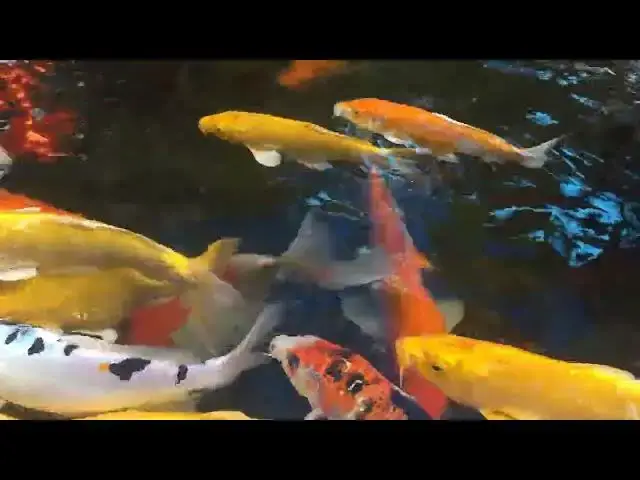
Learn about the crucial role of oxygen in koi ponds and its impact on fish feeding behavior. Discover ideal oxygen levels, maintenance tips, and how to adjust feeding practices for healthy, active koi.
Show More Show Less View Video Transcript
0:00
how oxygen levels affect koi fish
0:02
feeding habits oxygen is the lifeblood
0:05
of your Koi pond playing a crucial role
0:08
in the health and feeding habits of
0:10
these beautiful fish understanding how
0:13
oxygen levels impact koi fish feeding is
0:15
essential for any Pond owner or koi
0:18
Enthusiast koi fish like all aquatic
0:20
creatures rely on dissolved oxygen in
0:23
the water to survive and thrive the
0:25
amount of oxygen in the water directly
0:27
affects their metabolism and energy
0:29
levels when oxygen levels are optimal
0:31
koi fish are more active and have a
0:33
healthy appetite their bodies can
0:35
efficiently process food converting it
0:37
into energy for growth and maintaining
0:39
their vibrant colors as oxygen levels in
0:41
the water increase koi become more
0:43
active and their feeding Behavior
0:45
intensifies they are more likely to swim
0:47
to the surface eagerly when food is
0:49
offered and consume it with enthusiasm
0:51
higher oxygen levels also allow koi to
0:54
digest their food more efficiently
0:56
making the most of the nutrients they
0:57
consume for a koi pond the IDE deal
1:00
oxygen level typically ranges from 6 to
1:03
8 parts per million this range provides
1:05
the perfect balance for KOA to remain
1:08
active healthy and maintain a good
1:10
appetite however it's important to note
1:12
that oxygen levels can fluctuate
1:14
throughout the day and season to
1:16
maintain proper oxygen levels in your
1:18
koi Pon consider implementing aeration
1:20
systems such as waterfalls fountains or
1:23
air pumps these features not only add
1:25
aesthetic value to your pond but also
1:27
increase surface agitation promoting
1:30
better gas exchange and oxygen
1:31
dissolution in the water aquatic plants
1:34
also play a role in oxygen production
1:37
during daylight hours through
1:39
photosynthesis when oxygen levels drop
1:41
below the optimal range koi fish can
1:44
experience stress and a decrease in
1:46
appetite low oxygen conditions can occur
1:49
due to factors like overcrowding excess
1:52
organic matter decomposition or warm
1:56
water temperatures in these situations
1:58
KO may appear lethargic gasping at the
2:00
surface or showing little interest in
2:02
food prolonged exposure to low oxygen
2:05
levels can lead to weakened immune
2:07
systems and increase susceptibility to
2:09
diseases to adapt your feeding practices
2:12
to different oxygen conditions observe
2:14
your Ko's Behavior closely during
2:16
periods of lower oxygen levels such as
2:19
hot summer days or early mornings reduce
2:21
the amount of food offered feed smaller
2:24
portions more frequently rather than
2:27
large meals that require more energy to
2:30
digest in contrast when oxygen levels
2:33
are high and Co are active you can offer
2:35
slightly larger portions ensuring they
2:38
receive adequate nutrition for growth
2:40
and color enhancement monitoring oxygen
2:42
levels in your Kida Pond is crucial for
2:44
maintaining the health and feeding
2:46
habits of your fish by understanding the
2:48
relationship between oxygen and COI
2:50
feeding Behavior you can create an
2:53
environment where your koi Thrive
2:55
displaying their full Beauty and
2:57
vitality remember uh what well
3:00
oxygenated Pond leads to happy healthy
3:05
and hungry Koy making your pond keeping
3:09
experience all the more rewarding
#Pets
#Fish & Aquaria
#Fish & Aquaria
#Ecology & Environment