Up next in 10


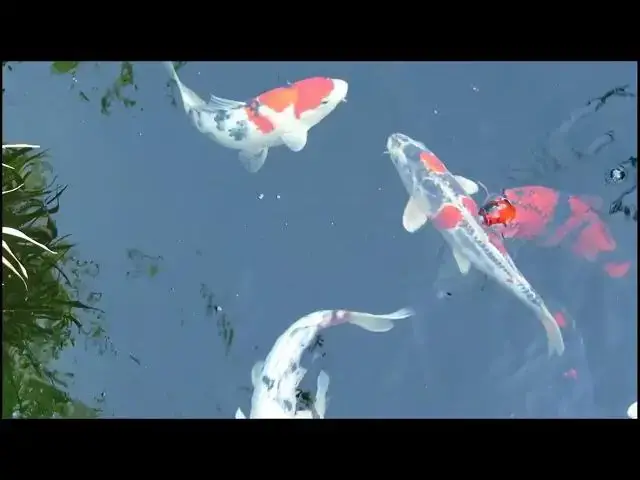
Learn how to properly feed and care for koi fish in hard water environments. This video covers food selection, feeding techniques, and water quality management to keep your koi healthy and thriving in challenging conditions.
Show More Show Less View Video Transcript
0:00
feeding koi fish in hard water tips for
0:02
healthy Pond pets koi fish with their
0:05
vibrant colors and graceful movements
0:08
are a popular choice for outdoor ponds
0:10
however caring for these beautiful
0:12
creatures can be challenging especially
0:15
when dealing with hard water conditions
0:17
today we'll explore how to properly feed
0:19
Koi fish in hard water environments hard
0:22
water which contains high levels of
0:24
dissolved minerals like calcium and
0:26
magnesium can affect the health and
0:28
feeding habits of koi understanding how
0:30
to adapt your feeding practices is
0:32
crucial for maintaining the well-being
0:35
of your aquatic pets when it comes to
0:37
selecting food for koi and hard water
0:39
opt for high quality easily digestible
0:42
options look for Foods specifically
0:44
formulated for koi that contain a
0:46
balance of proteins fats and
0:48
carbohydrates in hard water conditions
0:50
it's particularly important to choose
0:52
foods with added vitamins and minerals
0:54
to compensate for potential nutrient
0:57
deficiencies wheat germ based foods are
0:59
an excellent choice for koi and hard
1:01
water they are easily digestible and
1:03
provide essential nutrients without
1:05
putting extra strain on the fish's
1:07
digestive system additionally consider
1:10
supplementing their diet with fresh
1:11
vegetables like lettuce spinach or Water
1:15
Crest to provide additional vitamins and
1:18
fiber when it comes to feeding
1:19
techniques it's best to offer small
1:21
amounts of food several times a day
1:23
rather than one large feeding this
1:25
approach helps prevent overfeeding and
1:27
reduces the amount of waste in the pond
1:30
use a floating food ring to contain the
1:32
food in one area making it easier for
1:34
the koi to find and consume their meal
1:36
in hard water conditions it's crucial to
1:39
monitor the water quality closely
1:41
regular water changes and proper
1:43
filtration are essential to maintain
1:46
optimal conditions for your koi consider
1:48
using a water softener or adding deep
1:50
Moss to your filter system to help
1:52
reduce water hardness over time feeding
1:54
frequency should be adjusted based on
1:56
water temperature in warmer months when
1:59
Koy are more active you can feed them up
2:01
to three or four times a day as
2:04
temperatures cool reduce feeding to once
2:06
a day or every other day always remove
2:10
any uneaten food after a few minutes to
2:12
prevent it from decomposing and
2:14
affecting water quality it's important
2:16
to note that hard water can sometimes
2:18
lead to digestive issues in koi keep an
2:21
eye out for signs of constipation or
2:22
bloating if you notice these symptoms
2:25
consider incorporating foods with higher
2:28
fiber content or or adding a small
2:31
amount of Epsom salt to their diet
2:33
following the guidance of a koi health
2:34
expert during the feeding process take
2:37
the opportunity to observe your koi
2:38
closely look for any changes in Behavior
2:41
appetite or appearance that might
2:43
indicate health issues early detection
2:45
of problems can make a significant
2:47
difference in successfully treating any
2:50
conditions that may arise in conclusion
2:52
feeding koi fish in hard water requires
2:55
attention to detail and a tailored
2:57
approach by selecting the right Foods
3:00
employing proper feeding techniques and
3:02
maintaining excellent water quality you
3:05
can ensure that your koi Thrive even in
3:07
challenging water conditions remember
3:10
uh wellfed koi is a happy and healthy
3:14
koi bringing Beauty and Tranquility to
3:17
your pond for years to come
#Pets
#Fish & Aquaria
#Fish & Aquaria