Up next in 10


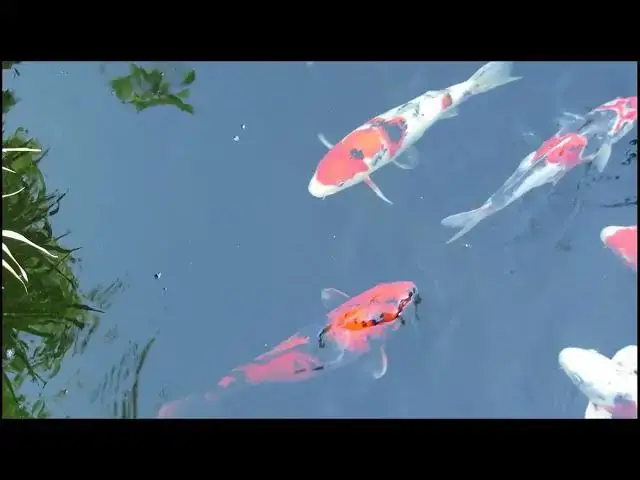
Learn how to properly feed koi fish during water changes to maintain their health and pond quality. Discover the best timing, food types, and portion sizes to use, and understand the importance of observing your koi's behavior after maintenance.
Show More Show Less View Video Transcript
0:00
feeding koi fish during water changes
0:02
tips for healthy ponds koi fish are
0:05
beautiful and beloved aquatic pets but
0:08
maintaining their health requires
0:10
careful attention to feeding especially
0:12
during water changes understanding how
0:14
to properly feed your co-a during this
0:16
crucial maintenance task can make a
0:18
significant difference in their
0:19
well-being and the overall health of
0:22
your pond water changes are essential
0:24
for maintaining water quality in koi
0:26
ponds but they can also be a stressful
0:28
time for your fish the process Alters
0:30
their environment and can affect their
0:32
appetite and behavior this is why
0:34
feeding koi during water changes
0:37
requires a different approach than
0:38
regular feeding routines the best time
0:40
to feed your COI during a water change
0:43
is after you have completed the process
0:45
and the new water has been fully
0:47
integrated into the pond this allows the
0:50
water parameters to stabilize and gives
0:52
your koi time to acclimate to their
0:54
refreshed environment feeding
0:56
immediately after a water change can
0:58
also help reduce stress by providing
1:00
familiar routine when it comes to food
1:01
selection during water changes opt for
1:04
easily digestible options high quality
1:06
pellets or gel foods are excellent
1:09
choices as they provide balanced
1:11
nutrition without taxing the koi's
1:13
digestive system avoid feeding your koi
1:16
just before or during the water change
1:20
as this can lead to undigested food
1:22
polluting the water it is crucial to
1:25
adjust the feeding amount during water
1:27
changes offer smaller portions than
1:29
usual about half to 2third of their
1:32
regular meal size this reduction helps
1:34
prevent overfeeding which can lead to
1:37
water quality issues in the newly
1:38
changed water observe your koi closely
1:41
and increase the amount gradually over
1:43
the next few days as they return to
1:45
their normal behavior be aware of
1:47
potential risks associated with feeding
1:49
during water changes overfeeding can
1:52
quickly deteriorate water quality
1:55
especially in a newly cleaned Pond
1:58
additionally some may be tooo stressed
2:00
to eat immediately after a water change
2:02
leading to uneaten food decomposing in
2:04
the water to mitigate these risks remove
2:07
any uneaten food after a few minutes and
2:09
monitor water parameters closely in the
2:11
days following a water change observing
2:14
your Ko's behavior during feeding times
2:16
after a water change can provide
2:18
valuable insights into their health and
2:20
stress levels look for signs of active
2:23
feeding such as swimming to the surface
2:25
eagerly or competing for food if your
2:28
koi seem lethargic or uninterested in
2:30
food it may indicate stress or poor
2:33
water quality requiring further
2:35
investigation to summarize feeding KO
2:38
fish during water changes requires a
2:41
thoughtful approach wait until after the
2:44
water change is complete use easily
2:47
digestible foods reduce portion sizes
2:50
and closely monitor your Ko's Behavior
2:52
by following these guidelines you can
2:54
ensure that your koi remain healthy and
2:57
stress free during and after water
3:00
changes maintaining the beauty and
3:02
vitality of your pond ecosystem
#Pet Food & Supplies
#Pets
#Fish & Aquaria
#Fish & Aquaria