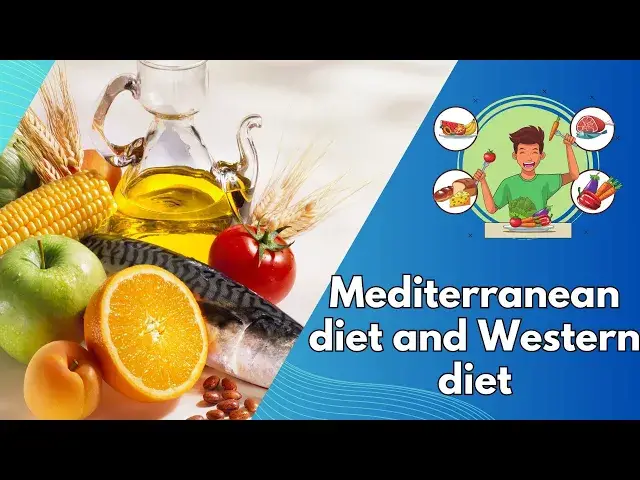

What is the difference between the mediterranean diet and the western diet?
Aug 27, 2024

What is the difference between the mediterranean diet and the western diet?
When it comes to dietary patterns, the Mediterranean diet and the Western diet stand in stark contrast, not only in terms of their origins but also in their impact on health. As awareness of the importance of diet in preventing chronic diseases grows, understanding the differences between these two dietary approaches becomes increasingly crucial. What makes the Mediterranean diet superior, and how does it differ from the Western diet, which has become the standard in many parts of the world?
The Mediterranean diet, deeply rooted in the culinary traditions of countries like Greece, Italy, and Spain, emphasizes whole, unprocessed foods. It is rich in fruits, vegetables, whole grains, legumes, nuts, and seeds. The diet also prioritizes healthy fats, particularly from olive oil, which is a staple of Mediterranean cooking. Fish and seafood, rich in omega-3 fatty acids, are regularly consumed, while red meat and processed foods are limited. This dietary pattern not only provides essential nutrients but also promotes a balanced intake of fats, proteins, and carbohydrates, which is beneficial for overall health and well-being.
In stark contrast, the Western diet is characterized by its reliance on processed and convenience foods. High in refined sugars, unhealthy fats, and sodium, the Western diet often includes large portions of red and processed meats, sugary beverages, and snack foods. This diet is also low in dietary fiber and essential nutrients, primarily due to the limited intake of fruits, vegetables, and whole grains. The overconsumption of calorie-dense, nutrient-poor foods in the Western diet is strongly linked to the rising prevalence of obesity, heart disease, type 2 diabetes, and other chronic conditions.
While the Mediterranean diet emphasizes healthy fats from sources like olive oil and fatty fish, the Western diet is laden with trans fats and saturated fats from processed and fast foods. These unhealthy fats contribute to high cholesterol levels and increased inflammation, both of which are major risk factors for cardiovascular disease. In contrast, the Mediterranean diet’s focus on healthy fats helps to reduce these risks, making it a much better choice for heart health.
Furthermore, the Mediterranean diet encourages a more mindful and communal approach to eating. Meals are often shared with family and friends, promoting a slower, more enjoyable dining experience. The Western diet, however, is often consumed on the go, with little attention paid to the quality or quantity of food being eaten.
Incorporating elements of the Mediterranean diet into your life can lead to significant health benefits. Start by replacing processed foods with whole, natural ingredients and choosing healthy fats over unhealthy ones. By making these changes, you can take control of your diet and your health.
Which aspects of the Mediterranean diet will you adopt to improve your health today?
#MediterraneanDiet #HealthyEating #NutritionComparison
https://youtu.be/SRvPo55blXs
Show More Show Less