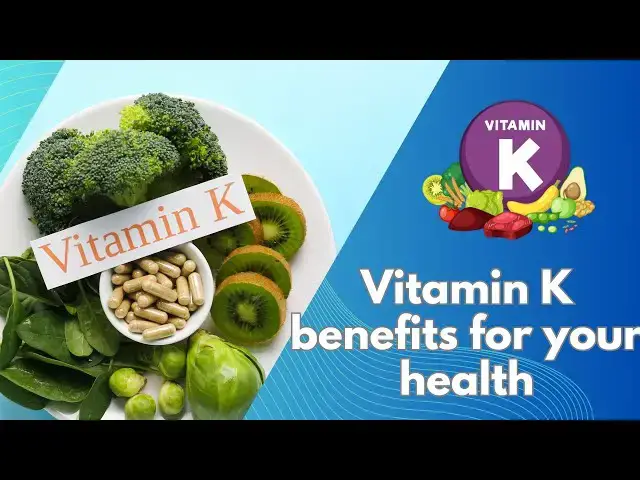

Vitamin K benefits for your health: A Vital Nutrient You Can't Ignore
Aug 29, 2024

Vitamin K benefits for your health: A Vital Nutrient You Can't Ignore
Have you ever wondered if there's a hidden nutrient that could significantly impact your health in ways you might not expect? Vitamin K might just be that secret ingredient. This often-overlooked vitamin plays a crucial role in your body's most vital functions, and understanding its benefits can open the door to a healthier, more vibrant life.
The Crucial Role of Vitamin K
Vitamin K is an essential fat-soluble vitamin, primarily known for its role in blood clotting. Without it, even minor injuries could result in severe bleeding. But its benefits go far beyond this well-known function. Vitamin K comes in two main forms: K1, found in leafy greens, and K2, present in fermented foods and animal products. Each type has unique benefits that can make a real difference in your overall well-being.
Beyond Blood Clotting: Why You Need Vitamin K
While the importance of blood clotting is undisputed, vitamin K's influence extends to bone health and cardiovascular wellness. Studies show that adequate levels of vitamin K can help reduce the risk of fractures by activating proteins that bind calcium, thus strengthening bones. This is particularly important for those at risk of osteoporosis, a condition that affects millions worldwide.
Vitamin K also plays a role in heart health by preventing arterial calcification. Calcification can lead to atherosclerosis, a major cause of heart attacks and strokes. By helping to keep calcium out of your arteries and in your bones where it belongs, vitamin K can reduce the risk of cardiovascular disease. Isn't it time to take a closer look at how this vitamin could support your heart health?
If you're ready to harness the power of vitamin K, start by including more leafy greens like spinach, kale, and broccoli in your diet. These are excellent sources of vitamin K1. For a boost of K2, consider adding fermented foods like natto, sauerkraut, and certain cheeses, as well as animal products such as eggs and liver. For those who struggle to get enough vitamin K through diet alone, a supplement might be an effective option—but always consult a healthcare professional before making any changes.
Are you ready to make the most of vitamin K's remarkable benefits for your health? Let us know in the comments how you plan to incorporate more vitamin K into your diet!
#VitaminKBenefits #HealthyBonesAndHeart #UnlockThePowerOfVitaminK
Show More Show Less