Up next in 10


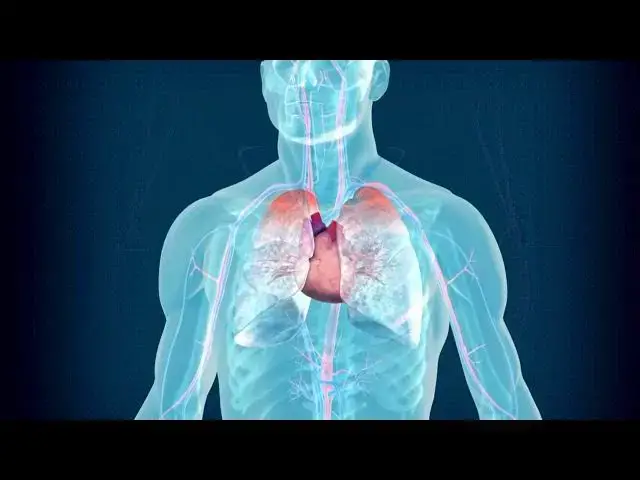
Cardiovascular semiology is the reading of signs, not the anatomy video. This one names chest pain, fatigue and shortness of breath as signals the body gives.
It does not diagnose and it does not promise earlier detection or better outcomes.
Show More Show Less View Video Transcript
0:00
sometimes the body whispers long before
0:03
it
0:04
screams The early signs of heart disease
0:08
often go unnoticed not because they're
0:10
silent but because we don't always know
0:13
how to
0:14
listen
0:17
Cardiovascular is the science of
0:19
understanding those whispers decoding
0:21
the language of symptoms to catch
0:24
disease before it strikes hard When we
0:26
talk about heart health we often focus
0:29
on prevention and
0:31
treatment But the bridge between them
0:34
diagnosis is just as
0:37
vital Semiology helps doctors translate
0:41
symptoms into meaningful
0:43
clues For the health enthusiast
0:46
understanding these signs can be
0:48
lifesaving
0:50
Knowing what to watch from might not
0:52
only protect your own heart but also
0:55
empower you to help others diet at its
0:58
core Cardiovascular semiology examines
1:01
how the heart communicates through the
1:04
body Chest pain often the most alarming
1:08
symptom isn't always what it
1:11
seems Is it sharp or dull Does it
1:14
radiate to the arm the jaw or the back
1:19
Each variation can indicate something
1:21
different from angina to a heart attack
1:24
or even a non-cardiac
1:27
issue Then there's shortness of breath a
1:30
common but often overlooked
1:33
warning Is it happening during exertion
1:36
or at rest Are the ankles
1:39
swelling Is fatigue creeping in despite
1:43
adequate rest More subtle indicators
1:46
like palpitations dizziness or even
1:49
fainting episodes can point toward
1:51
arrhythmias or structural heart
1:54
issues Changes in skin color cool
1:58
extremities or neck vein distension are
2:01
all physical signs doctors examine to
2:04
assess the heart's
2:05
function The art of semiology lies in
2:08
the ability to connect these dots before
2:11
advanced imaging even begins I in
2:14
today's world where heart disease
2:16
remains a leading cause of death
2:18
globally early identification is our
2:21
best
2:22
defense While technology plays an
2:25
essential role in modern
2:28
diagnostics nothing replaces the value
2:30
of understanding the body's
2:33
signals You don't need a medical degree
2:36
to begin tuning into these messages just
2:39
awareness curiosity and a willingness to
2:42
learn Are you ready to start recognizing
2:45
the subtle signs your heart might be
2:47
trying to share
2:49
[Music]
Arts & Entertainment
Health
Health
Health Conditions
Heart & Hypertension