Up next in 10


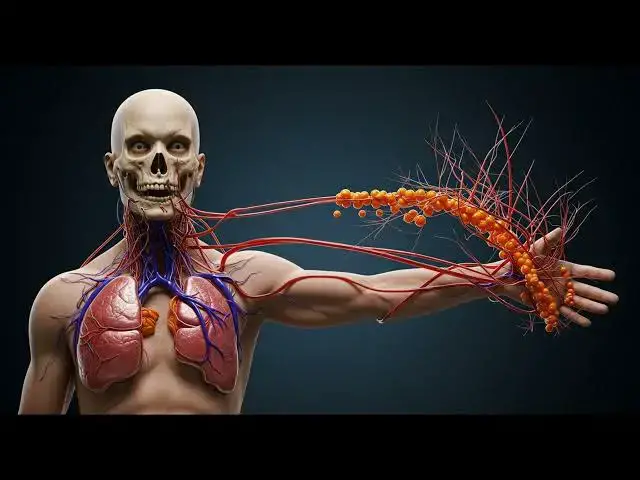
Learn about Amyotrophic Lateral Sclerosis (ALS), its effects on motor neurons, symptoms, diagnosis, and current treatments. This video explores the science behind this neurological disease, its impact on muscle control, and ongoing research efforts to combat it.
#ALS, #NeurodegenerativeDiseases, #LouGehrigsDisease
Show More Show Less View Video Transcript
0:00
did you know that a single disease can
0:02
rob a person of their ability to move
0:04
speak and even breathe all while leaving
0:06
their mind intact welcome to the world
0:08
of ALS a condition that challenges our
0:10
understanding of the human nervous
0:12
system ALS the silent battle of motor
0:15
neurons Amotrophic lateral sclerosis or
0:19
ALS is a devastating neurological
0:21
disease that affects thousands of people
0:23
worldwide This condition also known as
0:26
Lugerig's disease progressively destroys
0:29
motor neurons leading to the loss of
0:31
muscle control and eventually total
0:34
paralysis At its core ALS disrupts the
0:37
functioning of motor neurons In a
0:40
healthy nervous system upper motor
0:42
neurons in the brain send signals to
0:44
lower motor neurons in the spinal cord
0:46
which then transmit these signals to
0:48
specific muscles In ALS both upper and
0:51
lower motor neurons degenerate breaking
0:54
this vital communication chain The
0:56
symptoms of ALS typically begin subtly
0:58
and worsen over time Early signs may
1:01
include muscle weakness especially in
1:03
the arms or legs difficulty with speech
1:05
or swallowing and muscle twitches or
1:07
cramps As the disease progresses
1:09
individuals may lose the ability to walk
1:11
use their hands speak and eventually
1:13
breathe without assistance
1:15
Importantly ALS does not affect
1:18
cognitive function in most cases meaning
1:20
that individuals remain aware of their
1:22
condition throughout its progression
1:24
This makes ALS particularly challenging
1:26
for patients and their families The
1:29
exact causes of ALS remain a subject of
1:31
ongoing research In about 5 or 10% of
1:34
cases ALS is inherited through a genetic
1:37
mutation The remaining 90 95% of cases
1:41
known as sporadic ALS have no clear
1:43
genetic component Scientists have
1:46
identified several potential risk
1:47
factors including age and gender
1:50
Diagnosing ALS can be challenging as
1:53
there is no single definitive test
1:55
Doctors typically rely on a combination
1:57
of physical examinations neurological
1:59
tests electromyiography and various
2:02
imaging techniques such as MRI scans
2:05
They also need to rule out other
2:07
conditions that may mimic ALS symptoms
2:10
Currently there is no cure for ALS
2:13
Treatment focuses on managing symptoms
2:15
and maintaining quality of life for as
2:17
long as possible This may include
2:19
medications to slow disease progression
2:21
physical therapy to maintain muscle
2:23
strength and function speech therapy and
2:26
the use of assistive devices Despite the
2:29
challenges research into ALS is ongoing
2:31
and promising Scientists are exploring
2:34
various avenues including gene therapy
2:37
stem cell research and new drug
2:38
treatments These efforts aim not only to
2:41
slow the progression of ALS but
2:43
potentially to reverse its effects or
2:44
prevent its onset altogether Let's recap
2:47
the key points about ALS we've covered
2:49
today ALS is a neurodeenerative disease
2:53
that affects motor neurons leading to
2:55
progressive loss of muscle control and
2:57
eventual paralysis
2:58
The disease typically starts with subtle
3:00
symptoms like muscle weakness and
3:02
progresses to more severe effects on
3:04
movement speech and
3:06
breathing While there's no cure for ALS
3:09
yet treatments focus on managing
3:11
symptoms and maintaining quality of life
3:14
Ongoing research offers hope for better
3:16
treatments in the future Understanding
3:19
ALS is crucial for supporting those
3:21
affected and driving research towards
3:22
more effective treatments and ultimately
3:25
a cure
3:27
Thank you for watching our exploration
3:28
of ALS We hope this video has helped you
3:31
understand this complex condition better
3:33
Remember ongoing research brings us
3:36
closer to better treatments and
3:38
potentially a cure
Arts & Entertainment
Health
Neurological Conditions
Health Foundations & Medical Research
Neuroscience