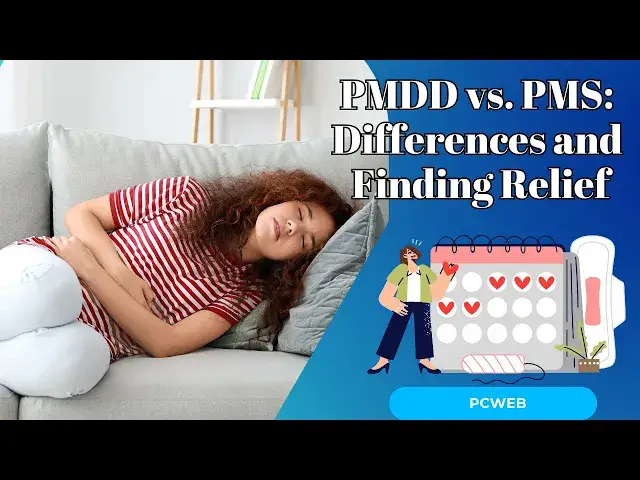

PMDD vs PMS: Understanding the Differences and Finding Relief
Sep 21, 2024

PMDD vs. PMS: Understanding the Differences and Finding Relief
Are your premenstrual symptoms disrupting your life more than usual? If you find yourself experiencing severe mood swings, intense irritability, or debilitating fatigue before your period, it may not just be premenstrual syndrome (PMS) you are dealing with—it could be something more serious, like premenstrual dysphoric disorder (PMDD). Understanding the distinction between PMS and PMDD is crucial for effective management and improving your quality of life.
PMS is a well-known condition that affects many women, characterized by a range of emotional, behavioral, and physical symptoms occurring in the days leading up to menstruation. Common symptoms of PMS include mild mood swings, bloating, headaches, and breast tenderness. These symptoms, while uncomfortable, are typically manageable and subside once menstruation begins.
In contrast, PMDD is a more severe form of PMS that affects a smaller percentage of women, yet its impact is profound. PMDD includes all the symptoms of PMS but with much greater intensity and can also involve severe depression, anxiety, extreme mood swings, and anger. Women with PMDD often report feeling out of control, with their symptoms severely impacting their personal and professional lives. Unlike PMS, which is primarily uncomfortable, PMDD can be debilitating and requires more targeted intervention.
The exact causes of PMDD and PMS are not fully understood, but both are believed to be related to hormonal changes during the menstrual cycle, particularly fluctuations in estrogen and progesterone. However, PMDD is thought to involve an abnormal response to these hormonal changes, affecting the brain's neurotransmitters, such as serotonin, which regulates mood and emotional well-being. This explains why PMDD symptoms are not just physical but can also significantly impact mental health.
If you suspect you might have PMDD, it's essential to seek medical advice. A healthcare provider can help you navigate the right course of action, which may include lifestyle changes, dietary adjustments, exercise, and, in some cases, medications like antidepressants or hormonal treatments. Meanwhile, managing PMS often focuses on lifestyle modifications and over-the-counter remedies that alleviate symptoms.
Don't let these conditions control your life. Awareness and understanding are the first steps toward finding effective relief. By distinguishing between PMS and PMDD, you can better advocate for yourself and find the right strategies to manage your symptoms.
Have you ever experienced symptoms that go beyond the usual discomfort of PMS? Share your thoughts and experiences below to help others who might be going through the same challenges.
#2024 #pmdd #pms #periodhealth #womenmentalhealth
Show More Show Less #Health
#Anxiety & Stress
#Women's Health