Up next in 10

Link to canning labels:
https://pantrypreparedness.com/labels/
Check out our Easy Food Storage Plan: https://pantrypreparedness.com/food-storage-made-of-the-meals-your-family-loves/
Video Description
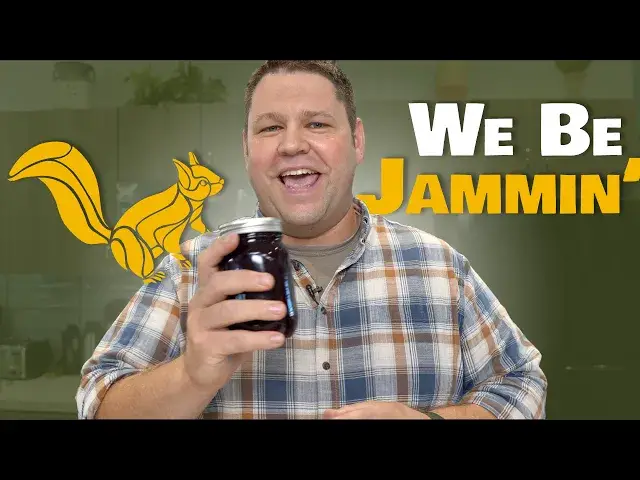
Today were out to turn out blackberries into a jam we can store and use when needed. Come along for all the tips and tricks
Products Mentioned in this Video:
Victorio Strainer - https://amzn.to/3UsyONa
Canning Kit - https://amzn.to/3w7fKKr
#preparedness #readyforanything #canning #blackberries #foodstorage #pantry #pantrystaples
Pantry Preparedness is a trademark of Income School LLC, an Idaho Limited Liability Company
Show More Show Less View Video Transcript
0:00
All right, today we're making blackberry jam
0:02
I went out with my kids and my wife yesterday, and we picked five gallons of blackberries over at my parents' house
0:11
And so I'm in today going to go ahead and show you how I make jam, and then I'm going to make some jelly, and I'll show you all that stuff too
0:19
Maybe we'll end up with some good blackberry syrup as well. But first things first, I wanted to see, do a little bit of testing here and see exactly how much yielded fruit
0:30
get from a gallon of blackberries after I've crushed it and strained out the seeds and stuff
0:36
which is the first thing we're going to do. So I'm going to go ahead and run that test right now. I'm going to see what a gallon actually yields for me. So what I'm doing today is I'm using
0:43
this for the jam. This is a Victoria strainer. I'm using this straining cone here. This is
0:50
literally like made for berries. And this here is the Victoria strainer. It's pretty much a classic for
0:57
processing fruit, but also all sorts of other stuff. We use it for applesauce a lot, but you can use
1:03
it for salsa and all sorts of other things. It's a pretty cool strainer. So we're going to see this
1:07
thing in action here. But essentially what I'm going to be doing is getting all the, first of all
1:12
kind of the core of the blackberries. With raspberries, they kind of pull off of the harder core on
1:19
the inside. With blackberries, they often don't. But also we're going to get out the seeds because
1:23
blackberry seeds are kind of huge. And my wife hates them in the jam
1:27
So we're going to go ahead and get those out too. The, I guess, kind of trash, the leftovers, that's what's going to come out there
1:33
And we'll just use this bucket to catch it. Before that, I'm going to wash them
1:37
So I'm going to use just a regular old colander. I'm also going to use, I use this liquid measuring cup to measure out the amount of fruit
1:46
when it's time to actually make the jam for the recipe. And then I have all this other stuff
1:51
Obviously, I have jars. I have this saucepan. That's what I'm going to use to actually mix and make the jam, cook it, and
1:57
everything like that. So measuring cups. This funnel I'm gonna use to fill the jars
2:02
just makes it a lot easier. This obviously to grab hot jars
2:07
I'm gonna grab them hot out of the oven, fill them and then obviously I'm going to put them
2:12
into hot water to water bath them and pull them out as well
2:16
This little magnet here is pretty handy. I'm gonna use it to grab hot lids out of boiling water
2:23
This allows me to measure the head space. So basically, Depending on the recipe and the canning method and stuff you're going to use
2:31
you're going to want to leave a certain amount of space at the top of the jar. And each one of these little teeth or stairs is a quarter of an inch
2:40
So depending on the headspace we want, this helps us measure it. It's always nice to have a couple of spatulas on hand
2:46
And then this is a nice scoop. Actually, this is coming really handy
2:50
And it's got this little hook, so it can kind of sit right on the edge. That's the stuff I have over here
2:54
I got a bunch of pint jars. I like to do jams and jellies in pints, but we also have some of those smaller jars
3:00
These are a cup or an 8 ounce. I also have these on a baking tray because once the jars are nice and rinsed
3:07
then I'll put them in the oven at 220 degrees. In fact, I'm going to go ahead and do that right now
3:17
I am going to rinse off a couple of those smaller ones and add them to it as well. But for now, let's get the oven started
3:23
I'm going to set it to 220 degrees. 212 is boiling point
3:31
So 220 is going to essentially kill anything that could be on these things
3:37
So we're basically, we're getting a nice, clean, sanitized jars. Other stuff we're going to need, I have this little pot here full of water
3:46
I'm going to go ahead and get that turned on to start boiling
3:50
I want that to boil and then I'll turn it down to low to simmer
3:54
Then I'm going to take these lids, I'm going to go ahead and just drop them in
3:59
That does a couple of things that gets them nice and hot and sanitary, but also it softens
4:04
I've got a couple more here. It softens the little sealing ring
4:08
So when I set it on the jar, but right before canning, it kind of sticks and seals a little
4:15
bit better. So I like to stick these in the water, get them warming up right now
4:22
I've got my rings. I've got just an extra bucket. You're going to want some sort of a bucket or a bowl to mix your sugar in
4:31
The recipe that I'm using today calls to mix the sugar and the pectin, or a little bit of the sugar with the pectin beforehand
4:38
but also to measure out the sugar and have it already. It's best when you're making jam to actually mix in all the sugar at one time
4:47
I also have a big stock pot for canning. So we're going to go ahead and go through that process today
4:52
And of course, I'm going to need some pectin. So I'm using this. This is Shore gel
4:57
We use the low sugar option. Not because it's necessarily like super healthy
5:02
It's actually because it's plenty sweet. When we use like the full sugar recipe
5:07
we find that it's just way too sweet, the jams and stuff that we end up with
5:10
So we basically almost always use the low sugar. So that's what we're using today
5:16
Basically, too, what it does is it allows me to get a good jam or even a jelly by using less sugar
5:22
you need a certain amount of sugar to react with the pectin to actually get it to gel up
5:28
And so that's part of what's going on here too. All right, let's go ahead and get started. Like I said, I'm going to go ahead and rinse off a couple more jars
5:35
This is just getting off any dust from them sitting. I do now
5:39
I've learned my lesson. I like to store the jars when they're empty. I like to store them upside down so they don't fill up with dust
5:46
But I haven't always done that. And even then, I would go ahead and rinse them out
5:51
but they can get pretty dusty to the point that I end up having to fully wash them
5:58
And we'll just put those in the oven real quick. Next I'm going to go ahead and fill up my stock pot
6:05
It's going to take a while for this to boil. So let's go ahead and get that going
6:12
Now I want it high enough to be able to cover the jars. Remember that when we put jars in, it's actually going to raise the level of
6:21
the water a little bit, but still, if when I start it's already at least as tall as a jar
6:26
I know I'm going to cover them pretty well. So I'm usually going to go that high or even
6:30
a little bit higher So I going to grab one of these jars These are the tallest ones I have And I just going to use that almost as a gauge to make sure that it high enough
6:46
All right, that's plenty covered. I'll do that out. I'll go ahead and get this on the stove, and we'll cover it
7:00
Okay, now making the jam is actually pretty easy. So the first thing I want to do is kind of want to rinse these off a little bit
7:07
When we pick these, sometimes you get little bugs on them. It's just really nice to give them a good quick rinse
7:15
Plus then I can pick out any little leaves and stuff and try to get rid of as much, just other dirt and stuff that may have gotten on these
7:27
We don't spray these like with pesticides and stuff, so there's not a whole lot of other stuff I'm really worried about
7:35
Also, when it comes to like leaves and little sticks and stuff, that's going to get strained out
7:39
And I don't want to rinse this too much because I don't want to lose a ton of good juice
7:44
So I'm going to go with that. That seems actually pretty good. All right
7:50
Next, we're going to go ahead and we're going to put some of this as much as we can into the strainer here in the top
8:01
All right, it's a good start. Set that aside. Now, you do a little bit of mashing and cranking
8:15
So we're going to crank the handle over here on the side. I told you there's some bugs. All right, I'm going to get rid of that guy
8:22
But we're going to crank this handle over here on the side and while we mash it down
8:28
But first I'm going to go ahead and this is mostly water. So I'm going to go ahead and dry that. out of there and we'll get started
8:46
Hey guys. Good. I think I should probably have some paper towel down there on the floor
8:54
You're not an egg bag? Ah, it's just blackberries. Plus then if I had an apron, they wouldn't see the plaid
9:00
Are you getting much of the fruit through that thing? It looks mostly juice
9:06
Well, if you come see what's coming out as I crank, though. It's the stuff as I crank that you start to get more of the fruit
9:18
If you stand back there for very long, you will. I am filming it right now
9:25
With these cameras, they're rolling. All right, now we'll add the rest of that gallon
9:39
All right, so that's the extra pulpy stuff. All right, so that's the extra pulpy stuff
9:57
stuff. Some people might want some of that in their jam, but with blackberries especially, I want
10:02
to keep as much of this out as I can. But what I can do with this is I'm going to go ahead and
10:07
throw it in my compost. Maybe feed some of it to the chickens. We'll see. But probably
10:13
just compost it. Then I'm going to go ahead and take this off. This is not a not messy process
10:23
Okay, so I'm going to take one of these spatulas. Go ahead, kind of clean this off
10:27
off. Okay? I try to get as much of this fruit as I can. This is the stuff that made it
10:34
through that just didn't drip in. So I want to keep that. All right. So let's see how
10:42
much fruit this ended up being. I guess first let me go ahead. I'm going to take this
10:50
off. I need to use the screw a little more. There's four cups. Yep
11:10
So now I'm going to go ahead and get a little bit more
11:15
Based upon the amount that I just got from one gallon, I'm going to need about 6.85 more cups of raw fruit
11:23
So we'll shoot for just under seven and we should end up with almost exactly the right of
11:27
right amount of fruit to be able to make a double batch. We want to be pretty precise on the
11:34
amount of fruit as well as on our sugar and everything. I mean really that's about all it is
11:38
right? It's fruit and sugar and pectin. We need the ratio of fruit to sugar to be pretty dang
11:46
accurate. Otherwise there's a good chance it's not going to set up very well and your jam
11:49
can end up too thick or too sloppy. So we want to make sure we get just the right amount
11:57
So now I have 10 cups of fruit in there. Now what that is, it's a double batch
12:06
So I'm gonna end up with needing two of these packages and using double the amount of sugar
12:12
that it says in the package, which works out just fine. That should end up yielding about 14 cups of jam
12:18
which would be seven of these pints. So we'll see, we'll see where that gets
12:22
Sometimes it's a little bit more, sometimes it's a little bit less. Even though we're pretty accurate
12:27
on our measurements, it just sometimes works out that way. So we're going to give that a shot next
12:32
So what we're going to do now is set aside the sugar that we're going to need for this recipe
12:39
So now get out a mixing bowl or something and your sugar
12:47
So I'm going to need eight cups. Just level them off pretty well
12:57
So now I'm going to take a half a cup from what I just put in this bowl, put it into
13:08
a smaller bowl and then I going to mix in the two packets of sure gel
13:25
Just mix them together. It's pretty good. And we're going to take this and we're going to actually put it over in the fruit mixture
13:33
and then we're going to start heating. So let's move over there. There we go
13:39
So now we'll add this mixture here. to the fruit and stir it in
13:45
But we also need to get the heat started. So we're going to go ahead and bring it to a boil, a full rolling boil
13:55
on high heat. We need to stir basically constantly until that happens
14:00
I also want to stir that in really well because I don't want clumps
14:04
We want that pectin and that sugar to mix in really well
14:09
Check on this. Yeah, that's boiling pretty well. I'll go ahead and turn it down just a little bit
14:20
Turn the water in the back up a little bit more because it's no longer boiling
14:25
You can tell it's getting close
14:45
Obviously it's, it is boiling a little bit, but we want a full rolling boil
14:49
So even while I'm stirring, it should be just boiling hard. If I stop for a sec, you can see there's a little bit of foam on top, and it is boiling there
15:00
But here, if we just keep going for just another minute or two, it's going to be at a nice full rolling boil
15:10
See, I'm seeing those boils, those bubbles boiling constantly now, even though I'm stirring
15:16
So that's where we want to be. Okay, so now I'm going to go ahead and add the rest of my sugar
15:23
We want to do this all at once. Stir that in
15:37
As it stirs in, it may stop boiling just because we just added a bunch of material that's not this hot
15:46
but it seems to still be boiling pretty well. Once it's fully dissolved, we'll see if it's still boiled
15:52
see if it's still boiling. Still feeling some clumps of sugar. It's getting there
16:08
Yeah, it feels pretty well dissolved now. So now we need to get it back to a boil. So I didn't turn down the heat at all for any of that
16:22
there we go. I'm going to call that a rolling boil. Even as I'm stirring, the bubbles are still going
16:27
So we need to set a timer for one minute. Set a timer for one minute. As soon as that goes off
16:35
we need to pull this immediately from the heat and we're going to start putting it into jars
16:52
Right. I'm going to bring that over here. Now we're ready to go ahead and start putting this into jars
17:03
This is where I'm using this. I'm going to grab one out of the oven
17:10
It's nicely sanitized. I said it usually here like on a little towel
17:15
That champs so good. Then I'll scoop that. Just remember. Everything here is hot
17:25
Give it a little stir. I just know I'm going to be washing these towels
17:29
Oh, see? I almost forgot. Look at it. I'm already making a mess
17:33
But if I use the funnel, this works really well. I'll double check my head space
17:46
And we want to fill to within a quarter inch of the top. That's only one of these little steps
17:51
So we're going to get it basically to the top there. And then when I pull the funnel out, I can check it
18:03
And I'm right about there. Okay. Next thing I'm going to do, I'm going to use a damp rag
18:09
I'm just going to wipe the rim. It's going to help with the ceiling. Then I can use my magnet
18:15
And I'm going to grab a lid out of my little boiling pot of water in the back
18:21
set a lid on, just like that, bring some rings over. Okay, then I'm going to put a ring on
18:32
Now this is really important. I only tighten it like finger tight
18:36
I don't even crank it at all with my hand. If you over tighten this before bottling
18:40
before actually the canning process, the water bath, you'll probably explode your jars
18:46
They're just going to crack open. You're going to lose everything you just spent all this time doing
18:50
Okay, I'm going to get. grab another towel real quick and we're going to set these on the towel. I don't know my kitchen
18:57
There we go. All right, cool. I'll set these completed jars there. There's plenty of warm
19:02
but I have apparently what they call asbestos hands where I touch hot things and doesn't bother me
19:07
that much. All right. Next. Funnel and jam. I love this huge
19:21
It's so good for this. We've had it for like, I don't know, seven, eight years maybe
19:29
Long time and it's just awesome. Once I've seen what the headspace looks like, it says within a quarter inch, so basically a quarter inch or less
19:39
I don't check it every single time. I'm not that worried about it
19:43
Also, most of the time I can look at the rim and see I didn't really get anything on there
19:48
but I just going to double check and and just do a quick little wipe down of it real quick All right another lid This whole process of canning I often like to do outdoors
20:03
That way I don't get my kitchen all super hot. It's August right now. It's really nice to do outdoors
20:08
I use a camp chef stove. I'll show you that setup one of these times
20:12
And this is just really nice because I can just bring the jam out, set it down, have a fold-out table, just kind of line everything up, have my
20:19
lids boiling have my canning stuff ready and it's all outside and we can contain a lot of this
20:24
mess outdoors but for today and for the purpose of filling for you it was just a lot easier to do
20:30
it in here in the kitchen all right another jar to sanitize your jars you can also boil them
20:40
then they're just filled with water too i like the oven method they're dry but both work
20:49
The other nice thing is because the jars are hot and the jam is hot, when I put them in the water bath to can, they'll also be, it'll be hot
21:04
If the jars were a lot cooler, then I could run into problems where they would just crack
21:09
I've had that happen before too. So it's really nice to be using hot jars
21:14
With some things, I know there's some debate about it, but sometimes you can get away with not even
21:19
canning with some things, juices and stuff and some jams, but basically I put this on
21:26
In fact, some of these lids might pop for me without me even putting them in the water bath
21:32
but I'm still going to do it, just to be safe. Okay, next
21:45
Four down. According to the recipe, we should get three more. I've done my seven jars, but I've got a little more
22:00
I'm going to try one small jar. Right there. That right there is basically perfect
22:14
Now we have eight jars. These should all fit just fine because this is a nice one
22:18
because this is a nice wide stock pot. So I'm going to make sure this is back to a rolling boil
22:24
It's just about there. So I'm going to go ahead and put these in
22:28
Once they're all in and it's boiling, then it's just a 10 minute water bath and we're done
22:33
Okay, here we go
22:45
All right, 10 minutes is past. I'm going to go ahead and take the lid off here
22:54
It's boiling really solidly now. Still. All right. Now I can go ahead
23:06
Lift this out. Carefully. Best to keep it pretty level. Honestly, my water level was a little high
23:20
I'm going to take this one out first. Okay, now all the jars are out
23:35
And I'm just going to let them sit for a little while
23:39
They'll dry off a little bit of water that's on them, but also they should all pop. If the lids don't pop down, um
23:44
after probably, I don't know, the next half hour at the latest, one of them's already done
23:51
then it means that that one didn't seal properly, put it in the refrigerator and use it sooner
23:56
So we'll come back in just a few minutes. All right, so I did let these cool for a while and get totally dried off
24:01
At this point, I actually like to keep the rings on, tighten them down just a little bit
24:07
But you actually can get away with taking the rings off if you want to or need to use them for something else
24:12
But I let them cool for a bit and get totally dried off. But actually, all of these popped within about three minutes, which was pretty cool
24:20
That small of a head space at the very top would often cause that to happen
24:24
So now all that's left to do is to label these so that we know, one, what they are
24:29
This looks a lot like a lot of other things that I make. But two, so that we know when we made it
24:37
They always say, like, use it within a year or so. Honestly, I have jam that's three, four years old that
24:42
It's still just awesome. It tastes great. Doesn't smell weird when I opened it up
24:47
So I'm not that worried about it. But I still like to make sure I'm using the oldest stuff first
24:52
So I'm going to go ahead. I'm going to set these here and go ahead and put some labels on it
24:56
Now, I did make these labels. They're pretty cool. I use these
25:02
These are just avery labels. You can buy them at the grocery store. I also have a link on pantry preparedness.com slash labels where one
25:11
you can find the exact labels that you need, but also where you can download some free templates
25:16
I've put together. So go check those out if you want pretty looking labels. I put some
25:22
templates together because one, I like them to look nice, but two, I just tried to take the
25:27
template that they have and just make it a little bit more user-friendly for me. So these say what they
25:31
are. They're Blackberry Jam. I've also just put the month and the year. So then I just take
25:37
one of these, stick it on, and they fit. perfectly. These are the two inch labels. They just fit so nicely
25:51
Two down. So we'll get all those done. And then we will have plenty of delicious blackberry
25:58
jam properly labeled that we can set aside and use as soon as we're ready for it. I hope you
26:03
found that helpful. I also am going to be making next some blackberry jelly because I have a ton
26:09
more of these blackberries. So make sure you go check out that video here on Pantry Preparedness
26:13
And as always, if you have any questions or anything, make sure you comment below with those
26:18
questions. I would love to be able to help you with whatever questions or concerns you have
26:23
related to preparedness. That's what I'm here for. So until then, we'll see you next time
#Food & Drink
#Cooking & Recipes
#Food
#Jams, Jellies & Preserves