0:00
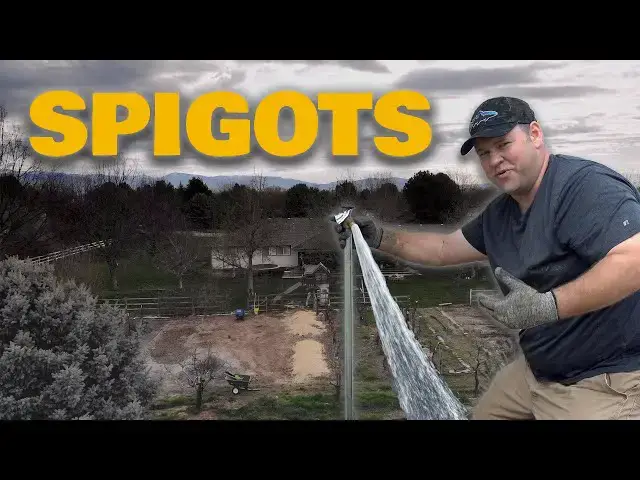
All right, we're going to be now putting in a hose bib out here
0:04
So we can basically, whenever we're doing stuff out here, we need water, which is not uncommon because we often burn stuff right over there
0:13
It's handy to be able to have a hose nearby. So we're going to install this here and connect it in to the irrigation line
0:19
So we're going off a supply line in a previous video when I showed what we're doing with the irrigation here
0:25
I showed that we already put in this T to be able to run a line off of it
0:31
So we're going to run a line and, well, let me just show you exactly what I'm going to do
0:36
I'm going to need a section of tubing about 16 inches long
0:43
I'm going to go get a piece. Okay, so this is going to connect to here, and I obviously cut off more than I needed
0:51
But I prefer have too much, but we're too little. So on the other end, though, it's going to connect to this, galvanized steel
1:02
I'm going to actually go ahead and just put that in there now. And then we'll put a crimping on it to hold it in place
1:11
So close. It is the right size. There we go. Got it in the end
1:21
Now we're going to have to tap that a bit. this is where it'll be easier to hold this still and to shake this on
1:33
So to make that easier, I'm going to go ahead and build out the rest of this
1:37
So this will screw onto there. I want to go ahead and put some thread tape on just to help seal it
1:47
Okay. Now what's going on here is I'm going to... a 90 degree bend
1:54
That's going to turn upward like this. And then, as you can see, I've got a bushing reducer
2:01
That's going to go to a 3 quarter inch galvanized pipe, and that's what's going to stick out of the ground for our hose
2:09
Okay, turning that. Now, we'll see if my dad's 10-inch pipe wrench is big enough
2:17
I left mine at home. See if that... Gets me any real benefit. Some
2:27
Yeah, that worked. Alright. Okay. Now for this bushing reducer, same thing
2:39
Help the thread seal. Although the metal just going to tear this stuff up Still helps Okay that going to go in here I not going to worry about cranking that because when I put the pipe on
2:57
and I crank on the pipe, it's going to crank on this too
3:03
And then until they're both at about the same tightness. So it's kind of nice how that works
3:11
Set aside our valve there. this is all really fairly simple to do
3:22
There's so much that you can do that a lot of people just outsource to other people
3:27
because they just don't know. But, you know, there's a lot of stuff I learned from working for a plumber
3:36
But that was like two summers. I mean, there's a ton about plumbing. I've had to look up in the years since then
3:44
But you can find so much online. Obviously, you're watching this YouTube video, so I'm preaching to the choir here
3:52
Okay, so watch this. As I turn this, see, it's turning both
3:58
That little tighter. Here we go. It's turning that bushing too. So that's why I didn't really need to crank in that bushing by itself
4:08
I just go until they're both tight. There we go
4:17
All right, now they've got this cap on here to protect the threads
4:22
Go ahead and, you know, I'll leave it for now. Because now that I have more to hold on to here
4:31
now I can kind of wiggle this on better. See, much easier
4:38
We'll get it all the way up there. And what do I always say
4:52
Put on the crimp ring first. Well, I thought about it and I knew that I would be safe
4:58
So I didn't worry about it at the time. Hope, there we go
5:04
I had my crimp rings handy. Okay. Come on there
5:24
that's on okay next I'm gonna measure here's how you measure in the field
5:31
you put this right where you want it and I know I need to go
5:37
till it till these nubs right so I know the base of this I want right there right up against there a piece of concrete here for the post
5:48
and I wanted to go to there so I can I'll often do this
5:55
I'll use like the numbers so there's a number five printed on there
6:01
right where I need to cut so I'll cut right on the number five or you can just
6:07
Cut it right in place down there. Okay. This time, I absolutely do need to put on the crimp ring first
6:23
Where to go? It just fell there. Okay, crimp ring
6:37
Now, this should be able to kind of twist a little bit
6:44
There we go. I'll just wiggle it, wiggle it back and forth
6:52
until it's where we want it. And then twist it upward until it's right where we, how we want it
7:00
Later, I'll put a block here up against this post and then I can attach this to that block and then it'll be really well positioned
7:13
But for now I want it pretty vertical. Okay, put that there, crimp it. Okay. Okay. Okay
7:32
Put some dirt back in here. Really? done here, I can start filling in, which is nice. But I'll just go get some good dirt
7:45
Now from out there, it's easier to see that this isn't quite level. So I'm going to kind of
7:48
hold it over here while I fill in some of this dirt. And then once again, we'll use a
7:58
we'll put in a backing board right there, just a block. Between here, that I can screw it back to with a bracket
8:21
Tamp that down a bit. I'll be filling all this in in the next few minutes
8:26
Okay, next. I do want this cap off now That over there with the rest of my trash
8:40
That's ugly. Okay, come on, we want this straight. Without going over the top
8:51
Okay. Okay, now at this point, it's always a question. Can I get one more rotation in
8:59
I think with my pipe wrench here, I'm hoping the answer is yes. Yeah
9:12
And then we'll come straight out, throw forward. Make sure that's closed. Okay
9:22
Tempt that down again. We're going to call that done enough for now
9:29
until I can get that block in there, and that will make it done, done
9:34
All right, so I wasn't going to worry about this, but Jake kind of talked me into it
9:40
Basically, from the beginning, the way that this system worked was he had all this PVC pipe, my dad did
9:46
and then this hose bib right here, my dad would hook it up with a hose from a hose stick it over there that's fed by the well
9:53
We don't need that anymore, but I went ahead and I attached this into one of those one-and-a-quarter-inch supply
9:59
lines we have and there's two cool uses for that. One, now we have a hose bib right here
10:05
that's at the front of the garden, far from the other one, that's, that can be fed from the
10:09
pressurized irrigation instead of from the well. But the other cool thing is that if we want to
10:15
be able to water our garden and the pressurized irrigation is not running for us, we can go back
10:21
to hooking up the well with the hose and feed this whole system from our own well, which I love
10:28
So it serves that double value and water can go both ways. So once again, the main message behind this entire project is make preparedness
10:38
make self-reliance as easy and as automatic as possible. If having a garden is a pain because you have to drag hoses around
10:46
put in a hose bib. If you have access to water out there, just do it. If you do the work right up front, put in that investment
10:53
It's going to make it so you actually do the things that you plan to do. So if you're not going to do them, there's no point anyway
11:01
So put in the investment and that way you'll actually do them. Anyway, there's a whole big project going on here
11:06
We're putting in a bunch of automated watering here for the garden at my parents' house
11:12
It's huge. And so I hope you'll check out the other videos in this project series and we'll see you there