Up next in 10


Adios 🇳🇮 Hello & Goodbye on the Street of Nicaragua
//Creative Commons Attribution Licence video (Reuse allowed)
Show More Show Less View Video Transcript
0:00
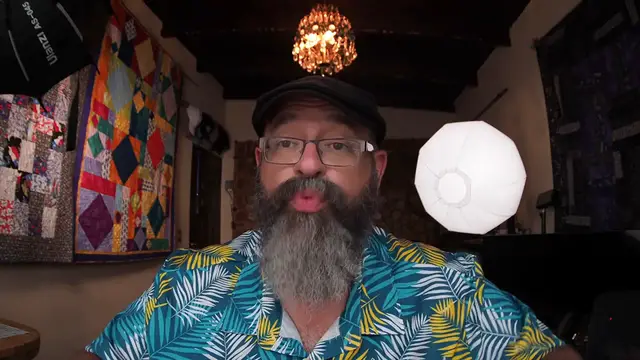
I'm Scott Al-Miller, and this is my everyday life living in Nicaragua
0:04
As someone who lives in Nicaragua, I got asked when watching my videos, one of my viewers
0:09
and a lot of people have had this question, what is that thing that we hear people saying
0:13
You walk by people in the street, and often you'll hear someone say, adieu, and they move past
0:18
It's just a thing that people are clearly saying in passing to each other. What is that? What does it mean? Where has it come from
0:23
We're going to get to that, this little bit of Nicaraguan culture right after the bump
0:30
New covers in Nicaragua are often surprised by hearing adio everywhere they go
0:43
And you'll hear it in multiple places, but the one that surprises people is in my videos
0:47
I do a lot of walking to the streets and you'll hear people say it to me as I'm passing by
0:53
And this really catches people by surprise. So the first thing we have to figure out is what exactly are they saying
0:58
in Nicaragua, whether it is just a trick of linguistics or it is a French influence, as many
1:04
people have told me may actually be the case, it is common for the sounds of things like an
1:09
S at the end of a word to be dropped. And this is common in lots of different languages and a lot
1:14
of different regions. This is not unique in any way, but it is not something you hear that much in Spanish. And so especially if you're used to Guatemalan or Mexican or Spanish, Spanish
1:23
Spain, Spanish, you will likely not be familiar with people dropping the S at the end of the
1:28
words, but there's a lot of words like this here in Nicaragua. So it's something you need to be
1:33
aware of that you have to listen for that the Ns and sometimes some other letters of words
1:38
may be missing. And this can make it very difficult, especially as a non-native speaker
1:42
to identify what exactly is being said. Of course, if you are a native Spanish speaker
1:47
it still presents a little bit of a challenge, but it's very minor because you can generally fill in what you're hearing. But if you are not a native Spanish speaker, especially if
1:54
you're like a learner and you're trying to figure this out, it can be extremely difficult
1:58
because careful, important identifiers to words that you're used to hearing may not be there
2:03
You also have the problem that what is written is a B and a V that in English are very discreet
2:08
B and V do not exist in Spanish. Those two are just two different ways to write the same sound
2:14
And here in Nicaragua, we are a spoken Spanish country, not a written Spanish country
2:18
So the language is done phonetically, and so something you hear, such as the village that I live in
2:24
the barrio is Soutiava. but it could be written with a B or a V, and plus there's an extra B or V that may be in there as well
2:31
So there's many different ways to spell the name of the barrio, and they're all correct
2:36
There isn't one way is correct, and one way isn't. Whereas in formal Spanish in the rest of the world, there are official ways to spell things
2:42
and the history of which letter is used is meant for identification or something else
2:47
even though the sounds are actually the same. In many places, you'll actually hear people pronounce them differently
2:51
especially North American, American Spanish from the United States. you're going to hear really strong bees and viz
2:58
So words like vivir to live is going to be a very strong v sound
3:02
And bebibir to drink is going to be a very strong bu sound. But here they're going to sound essentially identical
3:08
There's almost no way to tell them apart. And banyarme, I'm going to shower
3:13
I'm showering or I'm bathing technically sounds often like vanyarmé. And that vun sound is so confusing when you're expecting a bha sound
3:23
So there's a lot of these little linguistic things. That can be very confusing, especially in Nicaragua where they're either stronger or exist where other things don't
3:31
So, for dropping an S sound off the end of words. What is adio
3:35
It is adios, which you're probably used to. Most English speakers are familiar with the term aidos
3:41
It means goodbye. There's one of the few words that everybody learns in Spanish, even people with only the most casual knowledge of the language generally know things like
3:49
Ola and C, and Adios. And we're like, oh, adios. Okay, that means goodbye
3:54
wait a second, but you pass someone in the street. Sometimes you'll see me talking to someone
3:58
and I'll leave and say adios or I'll say adio because we don't say the S here. And the same thing
4:04
you're in America we learned to say, Buenos Dias as good day, right? Which we use for good morning
4:12
basically. It's a greeting. It's not a farewell. As you often would say in English, if we said
4:16
good day, that's often a we're leaving, kind of a formal, I'll see you later sort of thing
4:22
Whereas good morning, we often use as a greeting. So we're a little bit quirky in this on the English world side
4:28
In the Spanish world Buenos Dias or Good Days is a greeting not a farewell However here and in much of the Spanish world it is Bueno dia this singular But here in Nicaragua it not actually singular It sounds singular because the S is being dropped
4:49
You could argue that it's both singular and plural, because there is no singular and plural in Nicaragua
4:53
and that is true in a way. So that's possible. But in the Portuguese world, they don't use the plural that I'm aware of
5:01
Every time I see it, it's singular. The Spanish world tends to write it in the plural
5:05
but many places say it in the singular. When I took Spanish in school
5:08
they taught us that it was always plural, no exceptions. They also taught us that while Buenos Aires
5:14
good afternoons, is never used. In the real world, we find that it's always used
5:19
possibly more than anything else. Though that was one of the many things
5:23
that I learned wrong when taking Spanish in school. Now, as I'm older, I look back and realize
5:29
that my Spanish teachers really had extremely little exposure to Spanish, and while they claimed a lot of proficiency in the school
5:35
language. The reality was they were very rudimentary speakers. And while they had survival
5:39
Spanish, they don't have conversational Spanish anywhere near the level that I do today. And so
5:44
that is just something that really shocks me. You know, I really believed at the time that I would
5:49
never come close to the proficiency that my teachers had in Spanish. Of course, I also didn't expect
5:54
to be living in a Latin American country where I would be speaking it every day. But they really
5:59
made it seem like they could go places and, you know, pass as a native speaker, which was
6:05
not even remotely the case. They wouldn't pass the most casual of written test because there
6:09
were basic Spanish phrases they weren't really familiar with and they weren't familiar with
6:13
common usages. Okay, but, so how are we using Adios in this situation then? If we use it
6:21
when we're saying goodbye, we've been talking to someone, we're leaving now and you say it, everyone's clear, I think. That does not need explanation. But you're passing someone on the street
6:29
If you're doing this in the United States, for example, in English, you might say, hey, or hello
6:35
or what's up, you have some kind of basic greeting. That is a greeting. In much of the Spanish
6:41
world, this is going to be the same. And so if you see textbooks and such from basically anywhere
6:46
telling you what you would say in these circumstances, they'll often show that you say
6:50
Ola or Buenos for Buenos Aires, just shortened, or Buenos Aires. Something like that. Very basic
6:57
very straightforward. You could guess. You don't really need a textbook to tell you. You don't need someone to teach you. If you already knew that those were greetings, you could use those
7:04
greetings in the street, and absolutely you can use them here. People aren't going to be, like, freaked out or anything. They're not going to be confused, but it's not what people
7:11
tend to do. You never really hear those. I'm not saying you never do. You definitely hear
7:15
Buenos Buenos quite a bit. Ola, you'll hear very little. Adio, you will hear the majority of the time
7:21
in my experience. Immediately when we got here, this is one of the first things we asked about
7:26
And it was explained and like, yes, everyone does this. Yes, even Spanish speakers from all over
7:31
the Latin American world are confused by this. So it's okay that you are confused too
7:36
What is happening? And this actually makes a lot of sense when you stop and think about it. When you're passing someone on the street, we are passing them. We're not really greeting
7:44
them in the traditional sense. We're not initiating a conversation. We're also not saying
7:48
goodbye because we haven't been hanging out with them. So there isn't really a thing that makes a lot
7:53
of sense and you don't say everything. It's just a lot going on. Someone's walking by
7:56
you're kind of acknowledging that you acknowledge that they're there. You recognize them passing you and you want to be friendly. So that's kind of why we do it. It's awkward, really, in a lot of ways, but it's nice and it kind of gives a moment. What if you wanted to have a conversation? It opens the door that, yes, you could ask me something. So you're passing someone on the street and you're like, hey, what's up? Can I ask you, is this the right way to the Walmart? Right? It kind of gives that invitation. I don't want to make you not say hi to people because you don't want to invite that conversation. But we kind of all accept that that is
8:26
the moment where you could kind of ask someone something. So most of the world, but certainly not
8:31
all of it, chooses to use a word that is in greeting when this happens. You're passing someone
8:37
on the street, so you greet them. Hey, but in reality, it is equally sensible to say goodbye to them
8:44
You're not going to be hanging out any longer. They're passing you so that interaction is ending
8:50
And so you can say goodbye. Now, in English, if you did this on the street, somewhere in New York
8:55
they're going to think you're crazy. Like, we weren't talking. Why are you saying goodbye? Because culturally, we don't use that
9:01
Here in Nicaragua, they opted for the opposite. Instead of saying hello to someone you're not going to be having an engaging conversation with
9:08
someone you're not actually greeting, they simply say goodbye because the transaction of
9:13
passing each other is ending. And so if you really stop and think about it it is just equally logical that when you saying something to acknowledge that someone is there or was there they opt for the was instead of the is about to be It funny that such a thing exists
9:29
and it's really interesting that here it ended up having this opposite approach in such an isolated area
9:38
but that's all that's happening. So it's the combination of no s on the end, so you're not hearing the audios
9:44
It's just an audio, and it is simply saying goodbye, instead of hello
9:48
as you pass someone in the street because your transition has ended
9:52
Now, there is a precedence for this in a couple different places
9:56
One, and it's, I'm sure, not linguistically tied in any way, but in Hawaii
10:01
famously, Aloha means hello and goodbye. So you can use it that way and think of, adios, as being like Aloha
10:08
Not related to it, but it happens to be a five-letter A starting word that does the same thing
10:13
Much more likely to somehow be tied to it at least ideologically is the word
10:18
chow from Venice. For those who don't know, chow is not an Italian word, even though
10:22
Italians often think it is too. It is actually a Venetian word that very quickly made its way
10:27
into the Italian language and spread throughout Europe. So most of Europe and much of Latin
10:32
America, especially South America, use chow very commonly. They don't all spell it the same
10:38
but they use it the same, it means the same thing. And it is this really ancient Venetian word
10:42
that basically works the same. You can say hello, you can say goodbye, you can say cheers. It's a very
10:48
very general purpose, greeting and well-being kind of word. That heritage has kind of made
10:54
its way into Adio here in Nicaragua. Directly, or maybe it was just some far-flung influence
11:01
that someone said, hey, wouldn't it be cool if we used a word like this, but I don't want to use chow? We have one. We'll use Adios. Okay, cool. Maybe that's what happened. I don't know
11:08
but that is the linguistic history of it. Now, as far as Adios, people often want to know what that
11:13
is, since we're talking about it, and this would be a really short video if I didn't talk about anything
11:17
else. Adios is actually what, it's two words that have just run together over time. It is literally
11:24
Adios, which is to God. Now, what does that mean in the context of saying goodbye to someone? It actually
11:30
means a lot. What it is short for, or in meaning it is short for, is you are leaving my care
11:36
You are going out from my care and I am commending you unto the care of the Lord. God is now watching
11:42
over you because I am no longer watching over you. When you are with someone, when you're having
11:47
a conversation or there are a guest in your home or anything like that. There's this mentality
11:51
especially in places like Latin America and Europe where this linguistically originated
11:56
that you watch over, you have a responsibility for the care and protection and shelter and
12:01
housing and food of a person that you're with. But once they leave you, once you're saying goodbye
12:07
they are going out into the world and now it's God's job to take care of them or the next person
12:12
that they meet. And so we commend people unto the care of the Lord. And so we commend people unto the care of the Lord
12:17
as a way of saying that, you know, I've been watching over you and I hope you are safe until
12:22
the next person watches over you. This is mimicked throughout the world, especially, you know, European influenced languages
12:30
We see the same word identical really in French with adieu. That is exactly the same thing, just pronounced in French
12:38
You're going to find this in different languages and it really comes from the Latin originally
12:42
and so you're going to see it shared across that region. It's an interesting bit of linguistic
12:47
history and connection and it has this really deep-seated meaning that has been completely lost
12:52
and there's multiple words and turned into one word and now we've dropped letters at the end so at the end
12:56
of the day this really complex historical meaning is being attributed to something that is so
13:02
distant from the original words that it is often hard to trace it back and understand where it really
13:07
came from in Spanish and I've never heard Spanish speakers use this it is more of an old-fashioned
13:13
and often I think northern Mexico or southern stared United States Spanish-speaking thing, but you'll hear people say Viacondios, and that means
13:22
you know, go with God, which is very much Adios, but in a more formal way or more lengthy way
13:27
more poetic way, perhaps, but very, very similar. So that is the little tiny bit of history of
13:35
Adios and explaining how we ended up at Adio and why we use it in a weird way here in Nicaragua
13:40
but it is an important one to know that you really do use that everywhere. No matter what you're
13:44
doing, walk up to people. And as you pass them on the street, comfortable saying adio, you don't need the S on the end
13:49
I'm not soft pronouncing the S. It's really not there. And you really can say it at all these times
13:56
Basically, anytime you'd say chow, except when you are clinking glasses, you definitely do not say it Then you say salute good health So that our little bit here in Nicaragua about our culture and our little intricacies of Spanish speaking here I also want to
14:10
talk just real quickly for those who are hanging out. We do have a little bit of an announcement
14:15
We're going to make a big video about this at some point, but we turned on memberships because basically YouTube really pushed us to do this and gave it a try, and they incentivized, like
14:22
give it a try. And I don't need people to do this. If people don't want to, like, I'm really not
14:27
like this is a thing we got to do. But we've turned. on memberships. And what this does is allows you to sign up and be a member of our little
14:34
community here for $4.99 a month. It is monthly, right? It's a membership thing. It's a
14:39
subscription thing. It's really meant for people who just really want a good mechanism to
14:43
really strongly supporting the channel and helping to ensure that we have a steady bit of revenue
14:48
to help cover our costs and stuff. So I totally understand if people don't want to do it. I don't
14:52
want people to feel pressured. I hate any kind of like fundraising on the thing. I know we're like
14:56
buy me a coffee and stuff. I want to make, because people do ask me like, how How do we give you just a little bit
15:01
How do we do that? We have these little mechanisms. I want to make sure that people have access to it
15:05
I don't want to be like, you can't give me money because obviously the support really helps and it's really appreciated
15:10
But I really don't know how the membership system is beneficial. I think the whole thing's very quirky
15:19
So I'm not a big supporter of it. However, I totally understand that it makes for a really simple means of supporting the channel
15:25
You can just go join and it's just a super supportive thing that is ongoing
15:29
and, you know, if we had 100 people who decided to do that, we would have this really strong
15:35
kind of just basic revenue coming in that would help pay for cameras and stuff
15:40
So, but, you know, you can do the same thing by buying me a coffee. You know, one coffee once a month actually gives me a little bit more
15:46
I could turn on memberships over there if that's something that people want. However, by doing it here on YouTube, we are able to make, like, members-only sections here
15:53
that allow you to, like, we can do a few things. Like, they're all listed down there if you look at the membership stuff, but we have the ability
15:59
to do like private photos and some things, just so you guys can keep up a little bit more
16:04
But if we are going to do membership in other places as well, the one thing that I think is cool
16:08
is we're going to do a member's only chat room so that all the members and I can talk and me can talk to
16:16
no, and I can talk to each other and have an ongoing live conversation all the time
16:23
which hopefully kick ideas around, answer things, prepare for different things, announce stuff when it's
16:29
coming up. Of course we want to have, we need to come up with like a mailing list for, for, uh, lives and stuff like that. Anyway, that's different. And it gives you like
16:36
stickers and emojis and some little badges and it's got a few little things. None of it's
16:42
actually worth money. The only reason to do the membership is to support the channel. All the other
16:47
stuff is really just goofy, but the chat room, that's pretty cool. But we can do memberships through
16:51
some other mechanism that is a bit more efficient, uh, if that's something that people are
16:55
actually interested in. But if you've seen the join button show up down there, that is why, um
16:59
We were pressured to do it. It is not me being like, I got to do this. We've got to come up
17:03
No, if no one does it, I'm perfectly happy with that. But if people do want to support the show that way, if that's a good mechanism for that
17:10
then I'm thrilled, and that really does help us out. So, you know, consider what it is that makes sense for you
17:16
But certainly, we know a lot of our audience are struggling financially
17:20
That's one of the reasons that people do come and watch shows about relocating to Nicaragua
17:24
This is often a refuge for people who are struggling, significantly because of where they've been living and the cost of living and they need every
17:33
last penny to be able to relocate and trying to make ends meet, absolutely nobody should feel
17:38
pressure to support the show, right? We want to be able to buy cameras and pay for all these things
17:43
one way or another that will happen. And sure, we may have fewer toys, we may not be able to
17:48
do all the trips that we wish we could do, but certainly we don't want to be in any way a stumbling
17:53
block to someone who needs it. Only if you are comfortably able to support the show would we want
17:58
you to do so. So anyway, thank you. If you'd like to buy me a coffee, you know, a one-time
18:03
normal everyday coffee. We'll put the banner up here, buy me at coffee.com slash Scott Allen Miller
18:07
It's like Patreon, comes straight to me. And other than that, boy, like, subscribe, watch
18:11
another episode if you want to support the show. If you can't afford to do any of these things to support the show, you can always watch and like and comment. The more you do that
18:19
the more it supports the show as well. So that is very much appreciated just the same. So
18:24
thanks for joining me. And I will see all of you tomorrow
18:28
Thank you
People & Society
Social Sciences
Travel & Transportation
Tourist Destinations