Up next in 10


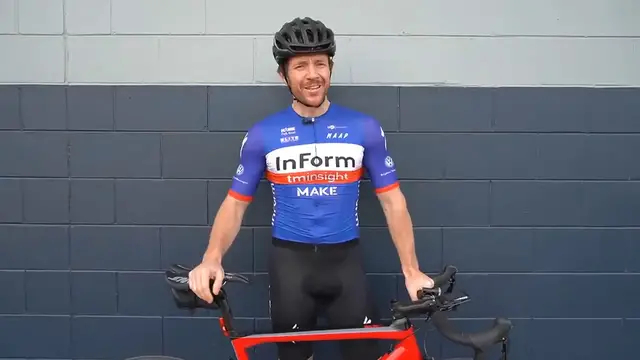
Weight Loss WITHOUT Power Loss (the RIGHT approach for cyclists)
//Creative Commons Attribution Licence video (Reuse allowed)
Show More Show Less View Video Transcript
0:00
So welcome back or welcome to the 19th edition of the RCA training tip show
0:10
You know, as a road cycling coach I get this question a lot and that is how do I
0:15
effectively lose weight and get lean without losing power on the bike? So in
0:20
this video today I'm joined again by an expert sports dietitian Steph Cronin who
0:24
consults to Swimming Australia, the Queensland Academy of Sport, the Australian Paralympic team and the high-performance department at the
0:31
University of Sunshine Coast all while working with a number of road cyclists
0:35
in her private practice in the Sunshine Coast. In this discussion Steph first of
0:40
all provides an overview of the telltale signs when somebody is perhaps over
0:45
indexing on weight loss and affecting their power output on the bike and then
0:50
she transitions into the right approach that people can take if they're looking
0:55
to get as lean as possible before a specific event or race day. Just know
1:01
that this is the last video in the series with Steph on the channel so if
1:04
you've gotten value from her videos and this one today don't forget to give the
1:09
video a like. Let's get into it. What are they? So the top things that are
1:13
gonna and it can be over a long period of time as well so it's not as if
1:18
one week that you've been in a really large calorie deficit these things start
1:22
appearing straight away so you've just got to be very switched on as to how
1:25
you're feeling so if straight away your training intensity has reduced because
1:31
you're not able to push or your training performance I should say has reduced that's a pretty big sign that you haven't fuelled well but there's other
1:37
things that can come into that so if you aren't sleeping very well all of a
1:41
sudden that can be a sign that you're just not getting enough nutrients into
1:45
your body to help it recover so you can lead to restless sleep. If you're
1:50
consistently getting little niggles and things like that or more serious injuries. If your mood starts to change a lot that's a big sign that you're just
1:57
not getting enough energy into your system to support you know your brain
2:02
function and things like that. If you can't concentrate a lot of the time if you're always fatigued as I said for females if you start to have a really a
2:09
regular period that's a really big sign that you're not getting enough food into
2:13
your body to support those basic functions and if you're you know
2:18
consistently getting sick all the time as well. Colds and flus and things like
2:22
that that's a big sign. And these things can run off the back of people trying to get there too fast. You're saying people try and get there in three four weeks
2:30
so if you're trying to get to an optimal lean state how long should you what's
2:36
what's the process? It depends how long sorry it depends when your event is but
2:41
it also depends on on what sort of state you want to try to get to so if you've
2:46
got a large amount of weight to lose you know that could be a 12 month journey. If it's only a small amount you know we talk about athletes
2:53
optimal body fat percentage or optimal body fat for their performance. Now it's
2:58
important to understand that that might only be kept for a month or so and there's a reason why it's optimal for performance but it's not optimal for
3:06
for overall health. So you know it's often we are compromising health to get
3:14
to that optimal race weight. So it's important for athletes to understand
3:20
that because what happens generally is they get to this weight or they get to this body fat composition and then they want to maintain that all year round and
3:27
it's just not you know always going to be sustainable. So therefore it's
3:33
okay to slightly tip over the edge in order to get to your optimal race weight
3:38
Under guidance. Very much under guidance and I'd say you know ideally we don't want to tip
3:42
over that edge. Some athletes will but it really depends on you know we can't
3:46
compromise too much health at all and ideally we want to have that really nice
3:50
balance of being a really fit healthy athlete whilst also being lean and that
3:55
might mean that we get them to a leaner state for that you know final couple of
3:59
weeks of a race and it's not about you know having a complete blowout after
4:03
that and then just going hell for leather for everything you can see and
4:07
drink but it's just about that fine line of we want to get you to a state you
4:11
might only be at that state for that particular event and then we you know we
4:14
might add a little bit more food and be a little bit more flexible so that your body fat percentage can slightly increase to then support you know your
4:21
health goals as well. Yeah so how are you measuring them when they're getting to this finite state like obviously the best way for somebody to do it is to see
4:28
a practitioner like yourself so how are you you know balancing act? Yeah so it's
4:33
not just the dietitian that's going to be involved there you know I would be talking to the coach in a bit more depth getting a really good idea of what the
4:39
training program looks like how they're performing because sometimes as an athlete you know we're so caught up in so many different aspects of our life
4:46
and our training, nutrition, physio, massage etc that you know it's great to
4:50
have somebody else on board to say can you just fill in the gaps of how I've
4:54
been training you know I think I'm training well but maybe I'm not or I
4:58
think I'm training poorly but you actually think I'm training really well so definitely getting the coach on board would probably likely have a sports
5:04
doctor involved as well that could look at some blood tests just to make sure
5:08
that iron levels are okay that vitamin D levels are okay, B12 you know we're
5:12
still looking after hormones and things like that as well but as a dietitian you
5:17
know I would suggest that someone's comes to me sort of months prior to an event so ideally it would be great for six months but at an absolute minimum I
5:24
would say three months. Right okay interesting. So we can get a really solid nutrition plan going we can look at training nutrition we can look at their
5:31
day-to-day nutrition and then we can start to create a race plan from that as
5:35
well so that on the day they know exactly what they're doing what they're having. From a body fat composition point of view we're generally measuring that
5:43
through skin folds so that's these little great calipers here yes so
5:49
basically what this does is this gives us a really accurate measurement of
5:53
subcutaneous. Pull it out and show it for us and that's quite an expensive instrument isn't it? It is it's about $500. As accredited sports
6:02
dietitians we will generally all be ISAC level one accredited. Yes. So what that
6:08
means that we've done a certain course to take skin folds appropriately so we're finding particular bony markers we're finding exact sort of places on the body
6:16
that we take a skin fold. Yes. And that provides a body fat sum of seven so what
6:26
that means we're taking seven different sites over the body that gives us a millimeter number and then I can sort of describe to the the client or the
6:33
athlete what their current state is what their goal is by race day and then
6:37
probably what their sustainable skin folds might be over a season as well
6:40
Okay interesting. Looking at subcutaneous body fat so we would also do some
6:44
composition some circumferences and things like that to get a better idea of
6:48
visceral body fat and things like that so for people who I'm seeing online who
6:54
might be interstate or overseas or whatever that might be obviously I can't
6:57
see them face to face and do skin folds so I'd be relying more on those circumference measures so mid arm chest you know a couple of abdominal different
7:05
measures mid thigh mid calf those sorts of things. Interesting. We're tracking that
7:09
there are numbers and there's guides of what is too low and we're trying not to
7:14
get too low so the idea is that yeah we get you to that optimal state while
7:18
still making sure that you're healthy because there's no point rocking up to a
7:22
race you know sick or injured because you've gotten so lean that you just
7:27
can't perform as a healthy athlete so there's a number of different things
7:32
we're taking into consideration. Interesting so if there's somebody really looking to push the boundaries of this then they really should be seeking
7:40
the advice of a medical professional otherwise they're gonna potentially do themselves not only some damage on race day but maybe physically. Long-term as
7:49
well. Definitely and I think you know as a I guess an ex-athlete myself I didn't
7:55
work with a sports dietitian when I was racing I think it's for most sports it's
8:01
kind of a new thing that basically we're kind of the last sort of profession that
8:06
people look at which is unfortunate because I think there's just so much value in it and I look back at my career now and just think there's I could have
8:13
been such a better athlete if I was more educated about nutrition about my
8:18
training nutrition about my race day nutrition you know my offseason nutrition on all that sort of stuff so you know I think it's an essential part
8:26
and I think you can become a much better athlete having a sports dietitian on
8:31
board if you're not willing to go to that level though I do you know
8:34
understand that some people like to do on their own and you know there's
8:38
financial reasons that can come into that as well and we just need some more buy-in I think as dietitians to say we're really good at what we do this is
8:46
what we do and this is how we can help. Yeah. But you know I would definitely
8:50
suggest that people start writing things down because it's really interesting to
8:54
see what happens when you put it on paper and you can have a look at you know when you're eating are you getting enough protein throughout the day are
8:59
you having enough vegetables where are your carbohydrates sitting in the day what does my weekend look like compared to my weekday? Yes, I can
Beauty & Fitness
Fitness
Weight Loss
Nutrition
Sports
Bodybuilding
Fitness Instruction & Personal Training
Other