Up next in 10

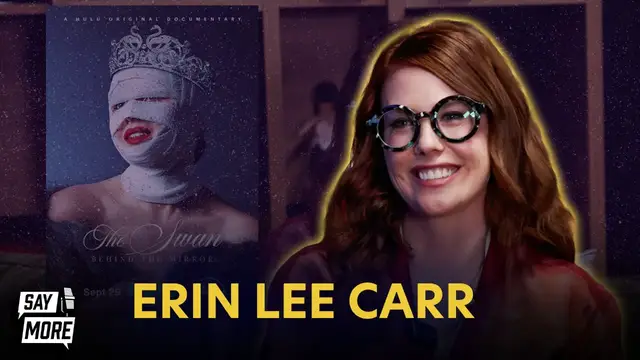
'The Swan: Behind The Mirror' director Erin Lee Carr on the doc's shocks and flock
Oct 2, 2026


New to Hulu, this documentary will have you raging over the 2004 reality TV nightmare.
Show More Show Less View Video Transcript
0:00
I became aware of you because of your true crime stuff
0:02
I've watched the Cannibal Cop doc. I've watched the Gypsy Rose Blanchard doc. I've watched the Lois Ryze doc, which still fascinating stuff
0:10
But you've also done pop culture docs. You did the Britney versus Spears and the Tegan and Sarah catfishing documentary
0:15
And now you're talking about the swan. And I'm curious, how do those things translate
0:19
Like, how does true crime translate to doing more pop culture specific stuff? They're all hostage stories
0:24
These are women in circumstances they found themselves to be in that they couldn't get out of
0:29
And so if I'm involved in it, there's typically a crime and it doesn't have to be by law, but it has to be, you know, what was really going on here
0:37
And when Hulu approached me about doing this one and I had awareness about it when I was, you know, younger, I just was like, I need to do it
0:45
Please let me do it. I have so many feelings about women's bodies and what was asked of them
0:49
And I'll take whatever. And, you know, and so and I was working on a pretty grisly crime for Netflix
0:57
and I just wanted a little bit of lightness and I had a vision for this project
1:01
that actually included empowerment. And so I was like, this is going to be a very important part of my life
1:07
I think it's so interesting because I was curious about like, did you have to go to people and be like
1:11
do you remember the swan and convince people? I'm curious what the conversation was like
1:15
when you reached out to the swans to talk about this because I'm sure even within the documentary
1:19
there's a lot of shame and stigma attached to people who participated in reality TV
1:23
and it didn't work out for them. It's as if we all think we were going to do better than they did. Yeah, I mean, so I was lucky enough to work with a company called Expectation TV that had been getting access for a couple of years
1:34
But some of the swans were really on the fence and they weren't sure if they wanted to dredge up everything that was going on
1:42
And so I'm known as what's called a closer, right? You get on the phone with me and I sort of talk you through it
1:48
But like if it's the best thing for you, you will be doing an interview. Obviously paying attention to morals, ethics, what would be good for the person
1:56
There was a participant, Beth, who, you know, just was, it brought up a lot of really deep emotions
2:03
And she lives a very normal life. And she says, well, why would I want to go back to that, right
2:07
And it's like, to forgive yourself. You did not know what reality television was going to look like
2:13
Somebody came to you and said, you don't feel good about your body. Here's a golden ticket
2:17
Here is plastic surgery. It's a nutritionist. It's a career coach. It is exercise
2:23
It's three months alone. you look at Beth's pre-tape and she's the blonde woman and she was tired she's had a kid like it
2:30
was like there was no plastic surgery that was needed but she was really tired and so um there
2:35
was a process of getting uh some people were like nope ready to go let's go and then other people
2:40
were like I don't know if I can go back there and be judged again yeah I was aware of the swan I feel
2:46
like it was at a time where I didn't have cables I don't know that I was like watching it but I remember at the time because it was like it felt like I'm a big fan of the movie Scrooged and it
2:53
felt like that sizzle reel where they're like acid rain and then it's just like fox seemed to be like
2:58
we're gonna take reality tv makeovers to this really dark place and like i know season two went
3:04
harder as as the documentary gets into but even season one was so brutal where they were talking
3:09
to these women as if i guess if these women were like detached from their entire like identity the
3:13
way they would just talk about their faces and their bodies was so bizarre and then as they talk
3:17
about uh the gray panties of it all it was just like every effort was made to make these women look
3:22
like they had somehow failed at womaning. 100%. There was all that language around feminine
3:27
When you think about a subject like Christy, who's from the South, and they said, well, she has very masculine teeth
3:34
And in our doc, she says, what, my teeth have a set of dick and balls? And so, thank you for that
3:40
It was her joke, not mine. But it just was like all that language about what it was
3:46
And, you know, as we know with reality TV, they wanted them to look as bad as possible
3:51
Don't do anything to yourself. Mess your hair up. Leave the mustache
3:56
Like, you know, and then also lie about it, right? Say that you have to shave your mustache every day to the audience
4:04
And then people inside the doc and inside the reality show, they wanted so deeply to be included and, like, be picked
4:11
Because don't we all just want to get picked? And so they really did as they were told
4:16
Well, also within the confines of the show, because we talked a little bit about this where you were saying that I think that people have this idea that if I were on a reality show, I would do this, this and this and I would be really good at it and whatever
4:26
And I think it's interesting. I was very shocked to learn they didn't know the pageant was going to happen when they signed on and they didn't know it was going to be competitive
4:33
At that point, you've already invested. You've already presumably taken the time off your job and gotten child care
4:38
You're there. You're literally already at the compound. Right. And the producers communicate to you that, oh, there's going to be a pageant
4:46
and you are going to be wearing bathing suits and lingerie That is your motivation You going to be a national audience And then before the reveals oh you also going to compete against the women that took care of you
5:01
I think there were good intentions when the show started, and then reality TV got its fingers in, and Fox
5:08
and it said, how can we make this more dramatic? And all the humanity left the building
5:12
That's actually what was part of it. You don't just talk to the Swans. You talk to some of the producers
5:16
You talk to Dr. Randall. and I want to get to him because like wow. But the producers it seems like some of them still
5:23
don't have an awareness of the negative impact on these women's lives. How do you think that
5:28
happens? Because like the show was critiqued at the time. It's not like looking back. It's like
5:33
it's not that we only need to look back. Like people at the time were like hey this show's pretty screwed up. We don't ever want to think that we're involved in something that hurt people
5:41
right and i think that the show that the producers joined were was a show that was going to help these
5:49
women go from what they didn't want to be to what they wanted to be and uh you know we look we have
5:55
a i was really excited to interview carl one of the producers who in a shocking moment in our
6:01
interview um he said you know that's why i did this i really wanted to help and i'm talking about
6:06
this person, Beth, and I had to elucidate for him that she was one of the women that felt victimized
6:12
the most. And it's a real time reaction. He said, what, how? Yeah. And I think it's just human nature
6:19
to say I was a part of something good. It's not that I was a part of something bad. Now, other
6:23
producers may have really felt like they were part of something bad. And that's probably why they
6:27
didn't sit in the chair. Yeah. It's interesting kind of seeing the arc because I will say Dr
6:34
Randall I feel like becomes the villain in this you don't need to say that I'm gonna say from my
6:38
perspective there were moments in this where I show is the villain he is a part of it and that's
6:43
what I have a very strong opinion about he was he sat down with us he there was a lot of weird
6:48
stuff that happened did I make something kind of come out of his mouth that said there's no victims
6:53
only volunteers absolutely not but like he is only part a small part of why the show was complicated
7:00
but yes sometimes when you sit down for an interview and I don't want anybody to be scared
7:05
to sit down an interview the audience's focus is in on you you know and of course there's the edit
7:10
but that is what he said in the interview sure but I think he actually was trying to help people
7:15
and he just lost sight of that I'm beautiful it did remind me I don't know if you saw the Tyra
7:22
Banks America's yeah because wow it did remind me of that where it's like I think Tyra's sitting
7:26
in that chair and Tyra thinks people are going to understand where I'm coming from like it's so convinced people are going to be on their side. And I felt like Dr. Randall thinks people are going
7:33
to be on his side as he's talking about this stuff. But then he says things like, like, as you point
7:38
out, like when he compares like working on women's faces to like plumbing, you're like, you're literally
7:42
comparing women to toilets. Yeah. And I, I, I grew up in Jersey. And so I say it in a really weird
7:47
way. I say toilets. And every time I watch the movie, I'm like, why did I say toilets like that
7:52
God, at that moment. It's honestly a relief to me that you also have that inner critic
7:57
it because I watched that back and I'm like, why am I? Oh, you know, you could ADR it, but then
8:01
you're, then you're faking stuff. I'm not going to say toilet normally and pretend like I said
8:05
toilet normally in that moment. You got to really put the real stuff in there. Toilets
8:10
I appreciate your dedication to authenticity. I'm curious for you. Was there a moment in the room
8:16
where you were like really shocked by something he said? Oh my God. Yes. I just, you know
8:23
I was shocked that Dr. Randall still had the photos and that he sort of spoke about it
8:29
What it felt like a very cavalier, very sort of like, oh, yeah, those photos
8:34
Thank you for reminding me about that. Thank you for reminding me. I think it was another one
8:37
I had to keep pausing and like I would have to go for a little walk just around my apartment and just be like
8:41
Thank you. That is incredible. That is what every documentary filmmaker wants
8:45
It's like it like impacted you. You were like, oh, yeah. Those women, they don't look so good
8:52
I think what he was trying to express is that he's like a craftsman
8:55
And so he tries to look at, like, what can I make work? And I feel like that ogy gets very messy
9:02
But then it's just so crazy because it's like that concept, whether it is reflective or infecting his position
9:08
he is looking at these women as objects, including asking them for nude photos for an art book he might make someday
9:14
I think when you're a surgeon, and I don't speak for all surgeons, especially because I am not one
9:18
I think there is a distancing effect, right, about this is like a this is a body and this is a soul right and the separation and i'd be
9:26
interested to see how other plastic surgeons sort of feel about it um but there definitely was a
9:31
distancing effect between him and the women and like ultimately what their wants and needs were
9:35
it felt like to me and something i enjoy about watching your documentaries like sometimes you're
9:39
on camera sometimes you're not but your presence is there i feel like some documentarians want to
9:43
pull themselves entirely out and i think that that a structure that potentially suggests to the audience that a documentary is objective which inherently it can be But I curious for you because you mentioned about the toilets thing I curious for you like how do you decide how much you going to be in the
9:56
documentary? Is that something you know going in that you have planned? Or is it something that you kind of allow for in the moment? I do a lot of like call and response and like checking in
10:04
And like, now that I've made I'm on film, like I'm about to direct my 14th film, right? And so I can
10:11
build what I want in the edit. And I know these moments. I know when to interject. But then once
10:18
it's in the edit and the materials in it, I don't decide. It's actually the editor's POV because I
10:23
can't be, I think I sound dumb or why did I say that? And so it was our EP, Colin Barr, who was
10:31
like, I really like your voice in it. I really would like for that to be a motif is like, you
10:36
know, sort of pushing against the system in that sort of empathic way and sort of helping the women
10:41
along. And so ultimately it was a decision that I like co-signed, but I don't want to be the
10:47
originator of what it is in the edit. Like, don't like, Oh, like don't put the toilet, like they
10:51
put the toilet line in and I was like, okay, you know? Um, and it makes me think of a very famous
10:57
mommy dead and dearest line where the grandparents, excuse me, the parents of DD said
11:02
we flush our ashes down the toilet. And I just remember being in that moment. I was like
11:06
it's here. The film's here. Uh, so, uh, but yeah, I worked with an incredible editor, Brian and Amy
11:15
um, two editors that just like got it and got the humor of it. Cause it has to be also fun
11:20
Yeah, no, I think, I think that's also what's so extraordinary about this is that it does keep in
11:24
mind, like, it's not just being like, remember the swan? It was terrible. Like there, you get a sense
11:29
of who these women are outside of the trauma. You feel the teeth drilling. Like I had even more and
11:34
people were like, yo, this is like getting very upsetting to watch. But like I have vernears
11:39
my dentist is like, don't look in the mirror because I was in the midpoint and it's like saying teeth that your teeth have been chiseled down. And so like looking at all that, like
11:46
I wanted you to feel the body horror of plastic surgery and dentistry, but I drew the line at like
11:53
I didn't want you to see their unconscious bodies because it felt like their soul wasn't in there
11:57
Right. But no, like in order to really feel about that physical intrusion that these takes
12:03
You needed to know the women. And so ultimately, when we're making documentaries, when you're interviewing people, you can only interview a certain number of people
12:11
And I said, I'm not doing that. I'm not doing what the show did to them and say, here are these 13 people
12:16
I'm going to pick my favorite three. I'm going to follow them. I said, if I'm going to make this, it's extremely important to me that one, everyone who wants to talk can talk
12:26
And two, that they all get together at the end. And that's like the power of Hulu
12:31
I don't know if a budget for another production would have been built for them all to come together
12:35
but they could only have the healing and actually healing happened if they were together
12:40
That's also such an interesting thing because the third act then becomes about, okay, this happened and now what
12:46
And it's involving us in the creation of the flock, in the understanding of their resilience together
12:53
I think is something that sets us apart from the American Next Top Model doc
12:58
It's my first happy ending. In all my films, I was like, we did it, Joe
13:07
Because the reason among documentarians I always get excited about your projects
13:13
is because even when you're talking to the cannibal cop or someone who's getting..
13:17
Oh, my God, that guy. Yeah, I mean, but you have such a deep love
13:21
The last film I ever made about a man was Cannibal Cop. It's all been women, the last 13
13:25
That's true. But there's a deep empathy in your work where I think it's what allows people to open up to you the way they do
13:33
But also I think it invites people to understand, especially true crime
13:37
And I think it translates here, too, because you're saying, like, look, I know you have your expectations of who this person is
13:43
And I do think the reality TV of it, I think that we have, I think part of reality TV that's made it so popular is that I think we like to watch and think, I'd do better
13:51
I'm better than this person. And it gives us that kind of sick shot in Freud. and I think you transcend that and I'm curious for you like basically I like I guess how do you
14:00
have such a deep well of empathy because it seems like things that would make a lot of people kind
14:04
of cringe or maybe not want to engage like you were able to probe past that I grew up with a
14:11
background that I won't get into that involved drugs and alcohol that it was very much communicated
14:16
to me that we are not equal to our best or worst action and that was foundational and how I treat
14:22
and see human beings and anytime a crime takes place. You have to have the context of like what are the
14:29
What are the. 15 years that came before it right and so when you come like this like when you approach
14:35
these women and their trauma like it was about doing pre tape interviews it's about them
14:40
knowing about me and then sitting at the foot of them Before the interview and just like I would sit with you like literally at your feet and say this is your story We going to talk about
14:51
what you want to talk about today. And if I ask, ask a question, you don't have to answer it
14:55
and giving that power over. And so, um, I really am so grateful and appreciative that you noticed
15:02
the empathy and that I hope that I never lose it by the cynicism of which I do with true crime
15:07
but I almost was uniquely grown up in a way that made me who I am. I think it's part of the reason
15:14
I enjoy watching your documentaries because I feel like they probe more deeply and go like okay yeah
15:18
but what if we're not all born bad and what if like one bad decision shouldn't define your entire
15:23
life and like I think seeing that empathy applied here with the swan is so interesting because as
15:27
you mentioned like we're having a moment where people are getting very excited about like 2000s
15:32
nostalgia yeah and I think we are seeing that again we're like that's going into this skinny
15:37
culture that was just everywhere. What has that been like for you to see this kind of concept
15:43
resurfacing? Yeah, I made the Britney Spears doc for Netflix, and so I was really immersed in it
15:48
And then I did Bling Ring, and I spoke to the leader of the Bling Ring, Rachel Lee. And so this
15:53
has been a part of my own fascination and wanting to understand because I was like so deeply uncool
16:00
in the 2000s. Like no one would offer me a drop of alcohol. I was like, come on
16:04
I want to try it at least. Like, you know, and I thank God I'm a cool girl now
16:10
And I have the outside of a cool girl. But yeah, I think that we're in an age with Ozempic
16:16
I want you to be as small as you can. Plastic surgery, the proliferation of plastic surgery
16:22
The swan was really a harbinger of what was to come. How about we all look the same
16:26
How about our faces all look the same? And I think that in, I also grew up watching like, you know, Terry Gilliam
16:33
like Brazil and things like that. So it's a dangerous point in which we're at that is going to
16:39
we were at a wellness where we wanted our bodies to be strong and we are completely disappearing
16:45
into how can we make ourselves as small as humanly possible to have some control in the world. So
16:50
I'm not an optimist about it. That's a really interesting point. I think people will really
16:54
freak out about this documentary because I think what was interesting to me is I talked to two types
16:59
of people, people who remembered and went, oh my God, the swan. And it was like, we collectively
17:02
needed a moment of silence for that cultural moment. And then people who, because they didn't
17:07
grow up in the U S or whatever, we're like, what is this? Um, what do you think is a moment in the
17:11
documentary people are most likely to have a reaction to all of them? I mean, I, I don't know
17:17
I've gotten, I've done a bunch of, I've done a bunch of high profile crime stories and the amount
17:23
of intensity that people have responded to this one just by the poster, like just about the
17:30
announcement but like i remember that show it like lives in our skin somehow yeah you know and so i'm
17:37
really excited because it's not a tough watch right like sometimes there's so many documentaries
17:42
coming out and you're like i don't know that one it's like if this was across my hulu page and it
17:47
was like the woman covered in that garb and it's like okay like what was going on there like get me
17:54
on like like loop me in like i wanted the show to be a little bit longer um but that's all
18:00
directors say that I mean Alex Gibney's Elon Musk doc is four hours if someone gave me four
18:05
hours to do something no uh but I think that there is sharp turns almost every seven minutes
18:12
so just like buckle in Kula and I are both really excited to see like what are the conversations
18:16
that sort of germinates from it because the response to the America's Next Top Model doc was
18:22
insane. And so if this can get like a bit of that, like, it's just like that, that was so
18:29
fascinating. And that's, that was about the J's, right? That was about Tyra and the J's. And
18:34
for me, I wanted to make a different type of film that was about the women. Yeah. And I think this very effectively does that. Have you kept in touch with any of the swans
18:43
Oh my God. Look at my phone. I probably have 108 missed messages. We're on a chain
18:49
we talk about hairdos we talk about our teeth like i'm an honorary swan and one of the best
18:55
moments is at the reunion we were doing um basically i fell in love with this pink song
19:00
uh called you know perfect and we sang it all at the end and then at the end they chanted my name
19:07
and like i was like the quarterback at the at the the game or something erin erin and they held me
19:13
have like a baby and I was like this this would love feels like this is what being a cool girl
19:19
feels like one of the greatest moments of my life and um we just they loved the film so I've you know
19:27
I just like couldn't be more happy because it's it's a sad day when people watch a film of mine
19:31
they don't like it sure right so I try to make sure that that doesn't happen while having
19:35
objectivity and understanding what the truth of the film needs to be
Celebrities & Entertainment News