Up next in 10

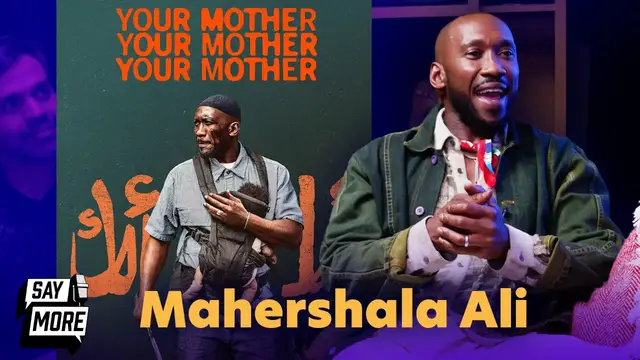
Mahershala Ali and Bassam Tariq share the path to 'Your Mother Your Mother Your Mother'
Sep 25, 2026


"I came up different."
Show More Show Less View Video Transcript
0:00
So did you guys meet because of Blade
0:02
Yes. Yeah. We knew of each other. Yeah. Sure. Yeah. Sure. What a cool space to be in
0:09
But no, but so at what point was it kind of like, like Blade's getting delayed, whatever
0:14
At what point was it like, okay, maybe this isn't the time for this movie, but let's do this
0:19
So like some of this information is very new. This is, I've been, I've been attached to that project for, if you count up to this date, like seven years
0:28
Yeah. But for me, a couple of years ago, I knew it wasn't happening, essentially. And so for me, it was more of, all right, how do I like get back to business, so to speak, because it'd been just so much time of so much of my energies going toward that project
0:44
And so once it was clear for me that that wasn't happening, it kind of like gave me a certain freedom to to begin to
0:53
Like really take ownership of my my schedule and and of my life, so to speak
1:00
And so as you are sitting back and waiting for something to come through that will, you know
1:08
Resonate with you, your mother, your mother, your mother came through. and I think the only reason it came through
1:14
was because we didn't do Blade together, right? And so I think Bassam had a different type of time
1:19
and by the time it came around, I feel like I was in a space where I could read something
1:29
like that and really take it in and see the value and the potential because any project you read
1:35
you're always, I never expect to get something and go, oh, this is a finished product
1:41
I'm looking at it like, does this have the potential to be something really good
1:45
And 90% of what you see on screen was essentially, if not more, was there in that script and in that story
1:53
It was some light feedback, some minor adjustments, and it was ready to sing
1:59
So I think it was really in that downtime after I think we were both clear that we weren't going to end up
2:05
And that kind of happened at different stages, but at the end of the day, it created a space for us to come together
2:13
And there was, in terms of being in my body and the skill sets around fighting, I'd spent so much time training and working
2:22
And some of those things were able to carry over, just the martial arts of it all, the sword work, being in my body, being familiar with the rigors of choreography
2:33
So it ended up being something that actually worked out really perfectly
2:38
And I am grateful that we found our way together because I think that this project holds a breadth and depth
2:48
The bit of work that Bassam has had an opportunity to share in his time as a filmmaker
2:52
and I think what I do as an actor, what I would like to pride myself in doing
2:56
I think this film, this story, I think is a wonderful vessel for the things that I think we both want to do
3:08
It created an organic space for what is the next natural thing to come up
3:14
And this is something that Basam could go into detail about it, but it's something that he was kind of working on before
3:18
For he and I, there was a nice sort of marriage that happened as a result
3:26
And we had real material to dig into at this point. And I think that's what we were always trying to get to
3:31
is having some real material to sort of like wrestle with and excavate and uncover the truths in
3:41
So he and I, we got to do that together. And that was like an absolute like blast
3:47
That's incredible. And I don't mean to intend to imply that this is like a substitute for
3:51
It's just interesting to hear kind of like from the ashes this rose, because I think this is so incredible
3:55
Can you speak a little bit to what was your transitioning from the one project to this
4:00
Yeah, I think I learned, I have to say I learned a lot in that process
4:05
And like what's so brilliant about like Kevin and Victoria at the time and Lou was they really cared a lot about audience
4:12
And I came from like Art House where I was all about like, oh, what's the heart say
4:15
Which is great, which I still am all about. But I think to balance. I do like your indie accent as you do that
4:20
But to then see, like, going in and seeing audiences and how they were connecting to these people
4:28
I mean, these characters and all that stuff. I mean, I grew up on comics as well. But I think as I got older, I kind of took a step back
4:35
But to see how much audiences really cared and how much they cared about audiences. I was like, oh, this is something that we need to really start thinking about more as directors
4:44
It's like, where's the audience? How do you really build this? And I think ambition was something that I always saw, like Kevin, like thinking like, well, how do we go bigger
4:52
How do we do this? How do we do that? And I think the frustrations for me were really about like not giving me the reins to write
4:59
And I'm a writer. Like that's what I do for a living. I write. So I was like, I'm going to write and I'm going to write something that I've always been working on and just bring that into the world
5:09
And the funny thing is the one thing I would say about Mahershala that I couldn stop thinking about I sure you remember this He was training every day for three hours He would be there at 6 a until like 10 training and it was incredible to see and like you know we didn you maybe have like the materials to work with
5:25
but he was there, and I think to see that kind of dedication
5:28
and that kind of thing, it was always like that thing when you see, as a director, when you see your actors give
5:34
you want to give more, right? You don't ever want to give less. You always want to give more as the leader of a thing
5:39
So I think for me, that always inspired me. It was something that I kept to myself
5:42
I was like, okay, this guy's more about he walks the walk. He doesn't talk a lot
5:46
Just like Lateef, similar to that. So I wanted to honor that as well and just be, like, presented to him when it was completely, like, close to ready
5:53
Be like, all right, here's my offering to you. I'd like to hear the journey about how this came to be because, like, from the outside perspective, it felt like we heard the announcement of shooting and, like, it's here
6:03
Like, for us, it felt very quick. But I'm sure just looking at it, I'm sure it took a lot of time
6:10
I'm sure it took a lot of thought. So I'd love to hear the journey of Your Mother, Your Mother, Your Mother for you guys
6:14
I'll just start off by saying I've been writing this thing before I knew Mahershala and before we kind of had a little stint together when we were on Blade
6:22
And the funny thing is, like, during the pandemic when I started writing it, I didn't have a name for the character
6:27
But I was like, I just wrote Mahershala. But, okay, Mahershala does this, Mahershala does that
6:31
And I think there was just this quiet dignity that I wanted the character to have at the same time also carrying so much weight of being a father and all that stuff
6:42
I think this dude can do it. And, you know, and then, of course, when we were on the journey with Blade, we connected on so many different spiritual ideas and stuff that I knew it felt like we got to finish this thing that we started together
6:53
So that's where, you know, it happened. So something that I would say, it's taken a few years to really find what it was and what it needed to be
7:01
But I think once Mahershala read it, I think it was like, boom, let's just do it
7:07
And then the schedule worked out. And Alana Mayo, the incredible studio head at Orion, believed in the movie
7:12
And boom, we were blessed to get this moving. It's really interesting watching the film because there were so many reference points I didn't see coming
7:19
Like the furry video, which is such a minor moment in the actual plot
7:24
but it recurs and it becomes, I thought, a really beautiful kind of touchstone between
7:29
the relationship you have with the daughter in the movie because it's like a way that he sees her
7:34
but also a way that he kind of like teases her that still feels very loving and not shamey
7:39
Yeah. Which was really cool. Can you guys talk about how that evolved? Yeah. Can I talk about the furry thing? So I think for me the furry thing is like
7:44
it's also a character. It's not just like a ha-ha thing but it's like what I find really interesting
7:48
about some like young people that I saw that were into furries before used to be kind of a joke
7:54
but for some people it's actually very like actually just like innocent where people do
7:59
cuddle puddles and all that stuff so for her it's not like something that's like too extreme
8:03
but in the father's eyes it's like yo this is this is a bit strange but but she's just like
8:08
yeah so what's wrong with like people just showing some love to each other right because
8:12
she's trying to understand how to even have that conversation with herself as a grown woman
8:15
so i think that was something that i found kind of interesting anyway as a father
8:20
and a father of a daughter. I'm sure maybe it would be the same way as with the son
8:30
but I feel specifically concerned about certain things I find. And I think when these moments pop up
8:41
there's an iPad moment and you find something or you, it's not even that they're intending to do anything wrong
8:48
but there are some sites that are not regulated in certain ways
8:53
Like there's just certain things that pop up where you're not looking for
8:57
but you are aware of as a parent. And so you're constantly in this negotiation between what you speak to
9:09
and when you speak to it and also how you speak to it because you're also not trying to create a situation
9:16
where you have a kid sneaking and doing everything, right, also. So you're constantly trying to, like, figure out
9:23
what you should really be concerned about. Right. And trying not to be so reactionary to everything that pops up
9:31
that you know is not what you want your kid experiencing, but you can't even fully protect them from it all
9:36
So I think the first thing to me is seeing, is Lateef having one of those moments
9:42
where I have to nip this in the bud right now because this can lead to that kind of thing as a dad
9:48
So yeah, I felt in some ways, like some of these moments like made a lot of sense
9:54
even though it's not where I'm at in the moment at my parenting
9:58
but there's the essence of something that, that you continue to, and you'll always sort of probably have to manage as a parent
10:05
And then that, and that is your, your instinct to protect and your response to
10:13
sort of fear, you know? And I think Bassam did a wonderful job
10:20
of sort of like giving Latif that moment that sort of encapsulated in sort of the furries
10:27
Yeah, but you guys also, like one of my favorite lines in the movie you actually came up with that the whole like Hello Kitty line and all that That like that was him on the spot The way I cackled Yeah The way I cackled It was like Yeah yeah But truly it like I bring it up not because I like
10:43
ha ha, there are furries in it, but it was just, it was such, as you pointed out, like, it was such a smart way to kind of introduce
10:50
here is an idea that as a parent, I'm not sure how to address. I don't really have time to address this
10:54
but I don't want to do it in a way that's going to harm her, but I also want to protect her because she doesn't necessarily know, like
10:59
what is this the beginning of becomes a question. Right. And I think that like that's, it's such a smart
11:05
like it's a little thing that means so much. Yeah. Even though it is just like this little moment
11:10
that kind of recurs in little ways. And when he's discovering that there isn't
11:14
his partner is not there anymore. I thought about that so much. So it's the timing of that. Right
11:21
Is suddenly it even means more because, you know, talk to your mom about that
11:25
or let me talk to your mom and her and I, Like, that's not gonna happen
11:31
And even the framing of the scene, because it's a wider shot as he's looking at it
11:34
it's almost like you can feel the absence of her. I mean, the title obviously also echoes that
11:39
The idea of, it's just so lovely. It's expressed in the trailer. It's expressed in the opening of the film
11:43
It's recurred later. But like, the idea of this man who, I will say from like most of the movies
11:50
that I'm aware of that have this kind of dialogue or like Westerns or gangster movies
11:55
where it's like a man having to reflect on his life and recognize that maybe what he thought was the priority
12:00
was not the priority. Yeah, right, yeah. But I've rarely seen that articulated in this way
12:06
Like, parenthood is usually an element of it, but it's usually, like, him caring for a foundling
12:10
It's like a hardened old man. And in this, it's like, it is his own children. He does have a deeper bond to them
12:15
than just, like, I'm protecting this weak thing. But in a way that's, like, all of a sudden
12:21
he has to face the things that, like, maybe he thinks are deficient in himself. I do want to talk about the villain of the film
12:28
because I'm curious, like, how did Jon Cho come to this? And at what point were you guys like
12:34
platinum grills, diamond cross teeth? Because the way I shrieked when I saw that
12:39
like, what a detail. If you watch his work, the dude, his choices
12:43
Every time I look at, like, whenever I look at an actor, I'm like, I want to see them make interesting choices. And the choices he makes are always interesting
12:49
no matter what he's in. And I was like, let's bring him in
12:53
and let's just see how he plays. And I think he's an incredibly intelligent person
12:59
but on the day, he can let go of all that intellectualization
13:03
and he can just be super present. And I think the one thing that he also had was an incredible partner to work with in his scenes
13:10
And I think something that Mahershala is, Mahershala is really graceful and kind to his other actors
13:16
You know what I mean? He gives a lot of space to them. But we did a lot of rehearsals. I think the rehearsals really helped him understand what we're doing
13:22
because I think tonally, it's a real, it's a balance, right? Yeah, yeah, yeah. We brought this dude in that's completely different from the rest of the film
13:29
And there's a part that when he opens his mouth, you could be like, all right, I'm out and just leave the theater. Sure
13:33
Or be like, okay, this is interesting, right? And that's the fine balance and that tonal thing that he plays
13:40
But then we have to also make sure that Latif Mahershala is able to ground us emotionally
13:45
and make us still feel safe as an audience. Like, okay, we're still in the same film. Right
13:49
I wish John was actually here to speak on it because I would say from what I could kind of observe you could tell
13:57
Correct me if I'm wrong, but you could tell he was a little like huh with some of these choices like
14:03
Like I don't know about this jacket kind of thing like I can tell you There's some things where I could just tell he was like
14:11
No, I don't know I think part of the reason it works is because the look is so much
14:17
Yeah, but I'm just gonna get to the point that the way he, for whatever, wherever he
14:22
may have lacked in confidence the day before we started shooting, he 110% just owned it
14:31
melted into the part. And you couldn't imagine him any other way
14:37
Like the teeth had to be there, the jacket had to be there. Yeah, I question none of it
14:41
The charisma, the attitude, the size. He showed up like that for the first take
14:46
He's amazing. Oh, how cool. Absolutely amazing. What is something you guys learned either about each other or from each other when working on this project
14:54
Wow. There is a collaborative spirit that Bassam has. I came up different
15:04
I came up. And so Bassam and I are meeting like 25 years really into my own journey. Sure
15:14
Right. So I kind of came up in this business where first when I came in, you if you were doing TV, all you got to do was TV
15:23
So. And it wasn't until I was six years into a television career, if you want to say that, before I'm doing my first feature film, which was Curious Case of Benjamin Button
15:35
Right. But even then, then I go back right back to doing TV
15:39
So it's not even really until the 2010s ish up in there where I get to start doing like films
15:44
Really? And being on television and leading up into that point you gotta realize TV directors are cycled in every week every episode So if you don know how to take care of yourself if you don know how to direct yourself if you don know how to
16:01
and you're seven, eight, 10, 12, 20 on a call sheet, if you're not one on the call sheet
16:07
you're not getting any attention. And if you are one on the call sheet, they don't want you talking
16:11
to them anyway, half the time in TV, in TV, they'll talk to the showrunner, but they don't
16:16
really want director X coming in because the new one's coming in a week later. So what I'm trying
16:22
to get at is that I had to take care of myself because you're not being written for. You're not
16:27
being shot. You're not being, you're just trying to make sure that you don't just that the people
16:34
know you were there, just as an actor that you don't, cause you're not being focused on in that
16:40
way. So you take someone like that, who has, who's just trying to get in where they fit in for X
16:46
amount of years and even once more, but just as surviving to suddenly you are like the lead of a
16:53
project. It's in terms of opening up and, and it's not that I'm not one who can be directed
17:01
I love to be directed, but there's, there's finding that language can take a second is it
17:11
And so I think I got to witness Basam sort of direct with these open arms, but still have very specific things that he wants
17:21
And so us learning. I think if anything, we discovered a dialect is what I would have to say that
17:28
And I think by we hit the halfway point and I think we knew how to be with each other to to get what the story needed
17:39
But the only way we could find that language was to like kind of have to like wrestle a bit into that position and get comfortable with being uncomfortable so that we could serve the project together
17:56
So with Basam, more than anyone else, I think we had to find, I don't know if I'd ever worked this intimately with someone
18:07
And it's hitting so many parts of the responsibilities to bring this character to life
18:14
And the things that are important to this character can also be deeply personal off screen
18:19
So I think it was very, it was critical that we found a way to be together
18:25
to be married in this process. And I hadn't quite been in a project
18:32
that required that in this way. And so by the time we hit that halfway point
18:42
it started like really singing and everything sort of began to like fit together
18:48
in a way where everything began to make sense to me. Bessam was making sense
18:53
The story was making sense. the character made sense but you have to tolerate the first couple of weeks of trying to like
19:00
figure it out figure out why this is not ah it's feeling a little too difficult but but we're also
19:06
doing something that is very difficult and you have to be you have to you have to respect that
19:11
in and be in and live in in sort of like a consciousness and an honor of the fact that
19:16
you're birthing something so it's probably not gonna be fun yeah like per se I mean it is but
19:23
But it wasn't like always, it was work. It was like work. But then you go, oh, I actually enjoy that work
19:31
once you start finding yourself in rhythm together. And so I think it was just the being patient
19:38
and finding our rhythm and our language and knowing, I'm sorry, I went everywhere
19:45
and expressing that. But it was the finding the dialect that we spoke together
19:52
is what I've, which I can't really even share with people because it was just a matter of like a joint mind thing happening
19:59
that I think we were able to find that. And I'm very grateful for that
20:06
Yeah, I would say similarly, like I think sometimes you don't have to talk about the thing
20:13
And I think that was something that I learned from Mahershala was like, don't over talk it and just be
20:19
and there was something really wonderful about how he would do that on set and then how all of us
20:28
would then slowly come around that right whether it's other actors or the dp or whatever because
20:34
we all have to kind of start feeling an energy right and we need to all be with that energy
20:38
and we watch tape because he's an athlete he knows how to watch tape so it's like he watches
20:41
back and he goes okay i can do it better and that was something that i love the most like just to
20:47
watch him watch himself and be like can we go again and i go yes let's do it right and there
20:52
was something really wonderful because i see his mind working in a way where he doesn't have to explain it and that's something that i think we built that trust and um and i think i hope that
21:01
with other actors and other collaborators that we can continue to build that because i think that's
21:06
sort of the level of of you know the relationship i wanted to keep with my collaborators yes
#Celebrities & Entertainment News