
Up next in 10

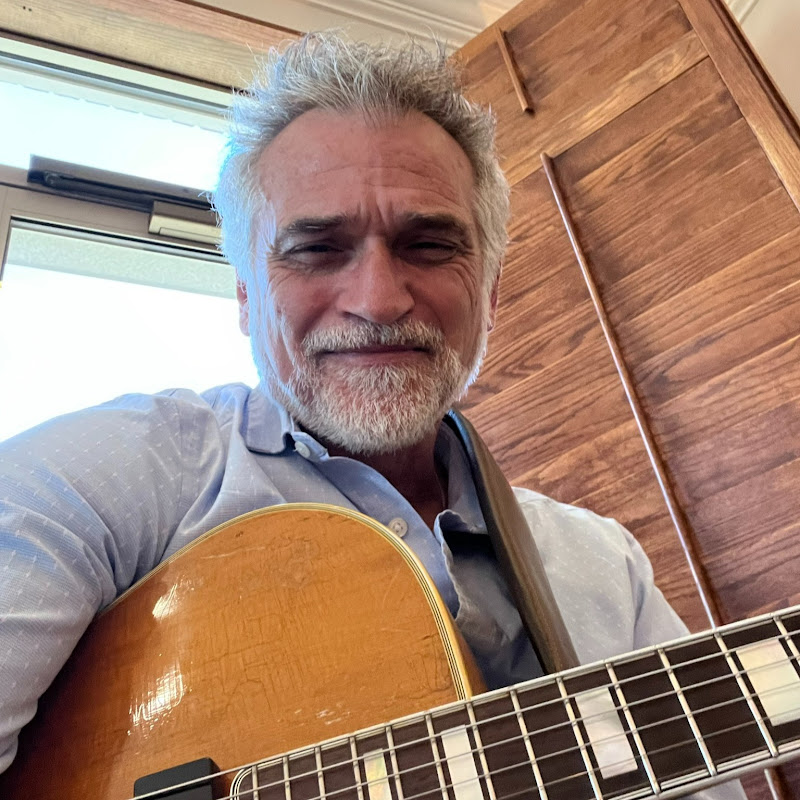
In this video Jamie played Beatrice by Sam Rivers and discusses Gibson Jazz guitars and his L-5 in particular.
Show More Show Less View Video Transcript
0:01
hello all my friends on social media this is jamie slater coming at you uh today i'm gonna play
0:07
a beautiful tune called beatrice uh by sam rivers
0:12
um sam rivers was a saxophonist and this song came out on an album
0:18
i think the album was called bimsha swing or something anyway it's from 1961
0:24
and uh do sam rivers as a state a favor and don't just type it into spotify and
0:30
listen away they're screwing artists so buy the thing will you buy the song if
0:36
you only like the song buy it but i think you'd like the whole record get it on itunes i think you can get it on
0:42
amazon it's probably available the disc lp not sure but if it is i think i'm
0:47
going to buy the lp uh but anyway um
0:52
just remember spotify is not the way to make sure people are just get paid okay so
0:59
modal interchange is something that happens in music and it makes things a little more complicated i'm not going to
1:04
go into it it's advanced concept and i'm not sure i 100 understand it myself i'm
1:09
still learning just like everyone else but um this tune is called beatrice
1:15
um i made a loop for the whole thing uh this time i didn't just kind of make
1:21
a loop for the middle or whatever this song i'm gonna play it the head twice which
1:27
is what normally happens i'm gonna play uh solo over the middle
1:32
uh play the head out and then the loop is gonna end the song uh so i did it in its entirety because i like to play with
1:39
a little more you know a little more forcefully a little more animation in the middle and the rhythm needs to kind
1:46
of um not be one-dimensional it needs to have some dynamic so
1:52
dynamics is very important in music it's something you should really work with if i were playing with a bass player and a
1:57
drummer right now or a pianist or something like that we would have dynamics i'd be bringing it in nice and sweet
2:03
this tune is one of the prettier tunes uh out there it's beautiful song
2:08
and i'm gonna play it for you and then i'm gonna have a conversation about this
2:14
guitar that people have been asking me questions about it's a bitching guitar so we'll kind of
2:20
talk about uh my history the history of this guitar and
2:26
construction and all that stuff okay so but for anybody just want to hear music here you go this is beatrice by sam
2:32
rivers all right [Music]
2:57
do
3:05
[Music]
3:23
[Music]
3:55
do [Music]
4:43
so [Music]
5:01
do [Music]
5:25
so
5:32
[Music]
5:43
do [Music]
5:56
do [Music]
6:11
do
6:16
[Music]
6:54
do [Music]
7:20
do
7:26
[Music]
7:41
okay so that is beatrice by sam rivers really pretty tune um
7:49
it's a loop so i don't know it's not the same as playing with other players who actually
7:56
give you something that you're not expecting to have happen okay so
8:02
uh once again that tune was from 1961 and buy it
8:07
you really should own it um and it's a lot better than what i'm doing here all right
8:14
now uh it uses a concept called modal interchange where you borrow chords
8:21
from usually a relative minor key so you you you say have a key
8:28
b flat and then you go to b flat minor or whatever usually it's a parallel
8:33
major minor situation anyway that's a pretty advanced lesson and we're not going to talk about that today
8:40
instead we're going to talk about eye candy we're going to talk about this
8:46
oh look at that wood oh my goodness uh look at the neck it's like an old
8:52
violin okay so this is a gibson
8:58
l5 west montgomery model all right now the west montgomery model
9:05
um is kind of a specialized uh you know l5
9:10
a lot of l5s um the l5 started in 1921 okay it was the first year that gibson
9:17
made an l5 and it was created by lloyd lore who was an acoustic
9:22
engineer who created first the f5 mandolin which is that funny goofy
9:29
little scrolly looking mandolin you see a lot of those
9:35
country guys playing you know um and he came out with a lot of instruments for gibson and the first one
9:42
that he created for gibson as far as the guitar is concerned was the l5 okay
9:48
now the l5 was there i want to say it's the first instrument
9:54
to ever have these f holes in it okay and that's kind of comes from
10:00
the uh the cello and the upright bass and the violin and other instruments
10:05
that are handcrafted and carved so
10:11
the first l5s when they came out were 16-inch instruments
10:17
and they the appointments were not quite as fancy you know like the
10:23
they had a headstock with i think the flower pot was on the original one this kind of flower pot
10:30
inlay up here but the the gibson logo was in a scroll and there wasn't all this binding it was pretty plain by
10:37
comparison to this one but uh it made quite an impression
10:42
my mother maybelle carter played one in the carter family and it also got picked
10:47
up by quite a few jazz guitar players in say new york uh the old school guys
10:54
eddie lang played one and all these guys uh a little later so
10:59
the cool thing about this instrument is that um
11:05
it's a high-grade instrument so uh low-grade instruments
11:10
generally have a laminate construction meaning the wood
11:17
is not it looks like one solid piece of wood but it's not it's a bunch of pieces of wood like plywood that are glued
11:24
together now when i say plywood i'm not talking about uh construction
11:29
grade pine or something i'm talking about um
11:35
woods that are pretty nice in their own right but they're super thin and they
11:40
for for the for uh say the gibson es175 which is a really nice guitar but uses
11:47
laminate construction uh what they do is they take maple and they take poplar and they turn the grain
11:53
crossways and then they do another one of maple and so the middle ply on a
11:58
three-ply guitar like that um in that particular case is poplar and they have
12:04
a really nice pretty maple on the front and really nice pretty maple on the back which can sometimes give you this kind
12:11
of look and they take that and they
12:18
cut it to shape they wet it after they glue up those different you know layers you know you
12:24
have one piece they wet it and they put it in an industrial press that also applies heat
12:30
as well as pressure and they press that wet wood into an arch
12:36
shape and after it's been there a certain amount of time i imagine it dries up a bit
12:42
from the heat and so forth but it basically just stresses the wood to an arch construction and they take that and
12:49
they uh they put structural uh braces inside and they
12:56
and they glue it up and there you have a guitar those guitars are really handy uh
13:02
it's kind of the working man's guitar it's still a pro grade instrument but
13:07
it's uh it's not uh hand carved or anything so the the it feels a little different
13:14
in the hand it's still a nice instrument okay it uh one good thing about laminate
13:19
construction guitars like that is they're not as susceptible to heat and humidity and cold and all the
13:27
environmental things that can really stress
13:33
guitars of solid construction now the l5 was always carved and that was
13:40
gibson's thing they always wanted to be the company that
13:45
craftsmanship you know so gibson's um their thing was uh on on an l5 is you
13:52
take a wedged shaped piece of wood like this and you cut it right down the middle you
13:57
lay the two thick sections together you glue them together like this and so it's like a big trunk a big you know double
14:05
triangle you have like a like a pyramid kind of a shape and they turn that over
14:10
and they start carving it and so they carve solid wood into the
14:16
shape of an arch and they can tap tune it and things like that and hear what the wood sounds like and decide how
14:22
thick or how thin the instrument needs to be so
14:28
this is one of those uh it's one of the top quality um construction types and it's an it's a
14:35
very expensive guitar and it's very fancy um almost a little too fancy for me uh but
14:43
it's uh it's pretty fancy so when i first started guitar um i had been
14:50
playing saxophone in school band for several years so i started out playing saxophone in
14:56
school band in the sixth grade and i did that for three years and instead you know eighth grade and
15:02
instead of going and marching and continuing with saxophone which always kind of frustrated me a little
15:08
bit because um to play a chord you need two other instruments you know they can only play
15:15
one note at a time um and so i switched over to guitar and i
15:20
played the biggest piece of poot on the planet ever you know it this was a department store
15:27
guitar now at christmas time you can go into a department store or a walmart or
15:32
whatever and you can purchase like a first act or something like that which is a decent instrument these days
15:40
you know uh back then if you got a guitar from um
15:46
you know a walmart that actually didn't exist but if you got it from a kmart or some other
15:52
department store and you were to purchase it it really wasn't very good and really high action the electronics
15:58
didn't sound good it was just it was bad but i played it for yeah i guess i don't know i started in in late
16:05
83 or something and i started playing this instrument and i played until my fingers hurt until they bled because the
16:11
action was really high but it didn't stop me at the time i was trying to play rock stuff and so it was a lot of you know
16:17
[Music] a lot of power cord type things
16:23
and uh and i played that for a while then for my 16th birthday my mom got me a gibson les paul she's traded in my
16:32
saxophone which was rather expensive at the time you know like 600 bucks or something traded it in and got me
16:39
a lower line les paul like xr2 model i think was the model in the 80s and it
16:44
was a flat top les paul but it it had pretty wood and it had the shape and it had dot markers on the neck so it wasn't
16:51
fancy and it didn't have a lot of binding it had a sticker logo um and it had a set of mini humbuckers
16:58
like uh like a les paul deluxe had where they had a little ring that went all the way
17:03
around them that was a little bigger on the edges for a mini humbucker it also had a little switch in the top that
17:10
allowed you uh to split the coils on the pickups and stuff so i played i love that guitar and
17:18
i played that guitar for years and years played rock and punk and all sorts of different styles on it
17:24
and um i played that until i guess about 1990
17:31
199 you know 1988 89 i started listening to jazz
17:36
and i heard wes montgomery and i saw the the cover of uh boss guitar west
17:42
montgomery with an l5 like this um and i've always kind of wanted one every
17:50
time i saw a picture of him he was playing a guitar like this big fat jazz guitar
17:55
and i loved his sound he had a very uh beautiful sounding instrument
18:01
and i always kind of wanted one but even at that time the guitars were
18:07
incredibly expensive and i was maybe you know in 88 i was 20. so
18:12
um that was a pipe dream uh i started working for music stores
18:18
and eventually i worked at a store that had uh epiphone
18:23
joe pass guitar which was uh it was kind of weird it wasn't like a
18:29
175 or something and had a venetian cutaway like this one you know rounded cutaway
18:34
and uh it had a a pickup in it and it was made in korea
18:40
back when the koreans weren't really kicking ass doing this stuff it was kind of new a new place to do
18:45
uh inexpensive construction of instruments and i kind of bought that and played
18:51
that for a little while but i always kind of went back to my les paul because i the gibson neck shapes um
18:58
epiphone kind of had it but it just the sound wasn't there and it didn't feel it felt like a cheap guitar
19:04
so a little later on after that um i got an opportunity to buy a gibson
19:10
howard roberts fusion i think in like 1990 1991 and that guitar was a 88 or 88 i think
19:19
uh howard roberts fusion which was a semi-hollow body which means it had the f-holes but it had a solid block of wood
19:26
in the middle and um it wasn't quite there but it was my first
19:32
foray into a really decent uh jazz guitar sound and uh
19:40
i changed the pickups to some seymour duncan's and and it sounded great and
19:45
and i played that for a little while uh it was a it was expensive for the
19:50
time i think i paid 8.50 for it or something i i and i i played it for years
19:56
um i think my next guitar that i got after that was a
20:01
carbon allen holdsworth model which looks sort of like a solid body like a weird telecaster but it was hollow and
20:08
it gave me a little bit of a hollow sound but it was really versatile you could use it for rock you could do you know when i was still trying to pay the
20:13
bills playing some rock music um you could use it for jazz it had a pretty tone um when i first started out
20:21
on guitar playing rock i really uh was concentrating on you know learning how
20:27
to play and a lot of the music i liked was the randy rhodes stuff and you know ozzy and black sabbath and hendrix and a
20:34
lot of the uh grungier sounding things and the metal and i played the metal band and
20:40
um toured with those guys for for a little while um opened it up for helix and molly hatchet
20:46
and late a little later on i started getting to rem and i started getting the xtc and the smiths and cleaner guitar
20:53
sounds kind of started to be what i concentrated on and then and i think in 89 or 88 i got a
21:00
wes montgomery record and a coltrane record and i really started thinking about jazz and really started to
21:07
um kind of think about doing that so uh
21:13
that was kind of a digression sorry uh but uh so so i ended up
21:20
playing uh the howard arts fusion for a long time and switching it out with the carving and then i sold the carving and
21:26
went to the howard roberts all the time and then eventually um i got i got a pat
21:32
matheny model like uh ivanez pm 20 i think it you know like 2008 or
21:40
something and i played that guitar um for a little while and right after
21:46
that a pretty well-heeled friend of mine wanted you know he used to pay me like
21:51
tuition for lessons in in six month increments or whatever and he he had
21:57
just gotten one of these an l5 west montgomery because i had expressed to him how badly that was my dream guitar
22:04
and that's the one again he he bought one and he had been playing a es175
22:10
and he i told him that once you get that l5 you're not going to care about that 175
22:15
and he didn't believe me at first but then eventually you're like yeah i don't really don't care about the 175 and he said i'll tell you what i'll trade you
22:23
the es175 for a year's worth of guitar lessons and i think at the time that was about 2 400 or something
22:30
and i was like yeah i'll do that and i got an es175 a double pickup model
22:36
same pretty much color as this like a tobacco sunburst it was a 2008
22:41
um it was a pretty guitar uh you know it was just like a year old when i got it in 20 2010 i think i guess
22:49
is when i got that and i played the fool out of it but it always had one too many pickups it
22:54
always had a bridge pick up which you know on a jazz guitar like that or a hollow body guitar unless you're into
23:00
rockabilly and you want to sound like dwayne eddie or like scottie moore you know
23:06
elvis's guitar player you know or have that classic sound clean it's just really useless
23:12
um having a a pickup back there like that it's just it's just adding weight to the top which shuts the guitar down a
23:19
little bit uh acoustically and uh there's more electronics than you need to because you got an extra knob you know two extra
23:26
knobs and it's just a and you got a switch up here which you don't need and
23:32
um but i i played it and i loved it it was definite step up for me uh for some reason when i owned all
23:39
these other guitars like the pat matheny which was a nice guitar for the money you know for like a grand it's hard to
23:45
go wrong with that guitar but it when i got the 175 is a little bit heavier it felt it just the next
23:51
shape gibson neck shapes i think having that that that lets paul first and then um go into
23:58
the upper phone and then go into the howard roberts um and then now the 175 it just see or
24:05
at that time the 175 it just seems like gibson neck shapes always felt like home
24:12
for one thing and another thing um they just always had that classic look
24:18
you know you get a 175 jim hall played in the s175 and a lot of guys
24:24
uh barney kessel and not barney herb ellis played at 175 um and they eventually came up with a
24:31
es165 which was his model but a ton of guys um played
24:37
175s and it's still considered the working man's jazz guitar in other words
24:43
it's got that laminate construction and and but it's it's
24:48
it keeps you from uh it's it's a basic instrument kind of it's just enough to
24:53
do the job and it's a very all of my gibson guitars have been like
24:59
this they're very honest instruments meaning um
25:05
and also my way of thinking about tone it's an honest instrument meaning if you screw up everybody's gonna know it
25:11
you know there's no hiding behind anything you have to play well if you don't play well
25:17
everybody's going to hear your mistakes and everybody's going to hear your technical issues so it kind of inspires you to keep going uh
25:25
and increasing your your technique and your ability to to play well on the instrument
25:32
um i played the 175 a while then out of the blue i got an opportunity uh to buy an
25:40
epiphone 1949 epiphone blackstone which is a carved
25:48
top guitar non cutaway which i love non-cutaways just something about having that same exact
25:55
uh look on the bottom just makes me happy i don't know why i also don't play a lot up in this part of the neck so it
26:01
wasn't a big deal for me but it was a 1949 epiphone blackstone which wasn't a top of the line model for
26:08
them it was kind of an intermediate model but it had a carved
26:13
uh spruce top like this instrument does and but a laminated maple
26:21
sides and back and uh it sounded just a lot more
26:26
acoustic and live now this is i don't know
26:32
what comes first you know i don't know if it's chicken or egg here but older guitars
26:38
have a certain sound to them and i don't know if they came from the
26:43
factory with that sound or if just after years and years and years of the wood drying out
26:49
and and the the little tubules in the wood becoming crystallized if they sound better and they get lighter and
26:56
everything is just better with old guitars because of that um i don't know if it's age or if it
27:01
came from the factory that way but i can tell you that older guitars have a certain
27:07
something that is very difficult to recreate brand new from a factory guitar
27:12
now okay and those now at the time 1949
27:18
epiphones were made in new york city they weren't like a cheap off-brand they were gibson's biggest competitor
27:25
and that particular instrument was 16 inches and i think 3 8 16 and 3 8 wide so every
27:33
time gibson would come out with a guitar that was 16 inches epiphone would come out with one that
27:39
was 3 8 bigger so at the time there was no amplifi there you know
27:45
amplification was kind of a new thing and not everybody had them so they made guitars that were allowed and the bigger
27:52
the guitar the louder the guitar the l5 started out as a 16 inch guitar
27:58
then they went to an advanced body l5 which was a 17 inch guitar it just it
28:04
got bigger the dimensions got bigger which means acoustically
28:10
it was louder okay and at the time you were playing with the jazz orchestra if
28:15
you played one of these guitars generally or you know they used them in country two but a lot of times you were playing with a jazz orchestra which
28:22
means there was a drummer a pianist an upright bass player and a bunch of horns so guys like freddie green those classic
28:30
uh jazz guitarists for orchestras did a lot of very choppy sounding stuff
28:36
because the guitar was a percussion instrument in a way it was
28:51
that was that was what you heard of a guitar if you were in the audience with a big band you you know and they kept
28:57
really high action and really heavy strings and they really set it up to be loud as they could manage it
29:05
um the l5 or should i say
29:10
amplification from gibson started in in the
29:16
i think in the late 30s early 40s with with a charlie christian pickup
29:22
which is a really kind of stylized hexagonal pickup and it mounted like
29:27
here inside of the guitar and it had three triangle laid out bolts that went
29:34
through the top so you could uh adjust it somewhat and uh it was a
29:40
very weak set of cobalt magnets which you can't find anymore and it had a certain sound to it but one
29:47
of the big problems with this sound and this is a single coil pickup and the so was the charlie christian so
29:54
the charlie christian had a single cool pickup and what would happen is it would act like an antenna
29:59
and that antenna you hear that
30:07
hear how it goes away but the close i get closer i get to my main light here shining on my face the
30:14
more of a hum that you hear and that in some rooms can be a real
30:19
problem um in a room with like a lot of stuff or a
30:24
refrigerator on the same circuit as your amp or things like that it can be a real
30:29
problem well they they ended up you know getting a different type of pickup that was a little better about it and that
30:36
was a p90 p90s sounded really nice it was also a single coil design but by
30:42
uh i want to say the early to mid 50s they started using what's called a humbucker
30:48
design which is a double coil pickup and everything is reversed the magnetism is reversed and the winds on one of the
30:55
coils is reversed and it it's sort of like your bose noise canceling headphones
31:00
it takes in the sound and then it flips at 180 and feeds it back to you and it cancels out the noise well that
31:07
electronically is what a humbucker pickup does so
31:12
the l5 kept getting bigger it eventually got to its final
31:18
size of of 17 inches and then they started creating this cutaway here
31:25
and they called that the l5p or l5 premier and it had a cutaway and so this
31:31
guitar has kind of looked like this since i think like the late 30s they started
31:37
kind of making them look like this and it went on
31:43
now this is a west montgomery model west montgomery had a bunch of l5s it kind of
31:48
seemed to be his his go-to instrument and um
31:54
he had him create uh an l5 like this uh for him with a single pickup like
32:01
this one has and um he played those on a lot of uh
32:06
appearances on television and things like that back when he was getting big in the in the 60s
32:12
and uh but he owned a ton of l5s and some of them had two pickups and you
32:17
know you never know you listen to a record and they sound great some of them had what's called an almoco staple
32:23
pickup which was kind of a gateway between the the uh p9 i think between the p90 and
32:29
the paf and um they have a certain sound to them that
32:35
is really sensitive and very um they just sound real sensitive like when
32:41
he plays light you can really hear it there's a clarity there that was really
32:46
in my mind is very important to have okay so
32:53
this is a carved guitar and i've always wanted an l5 i finally got
32:59
an opportunity to get my dream guitar a little ways back and i was playing my
33:04
epiphone my 49 epiphone at the time and i loved it and i wish i still had it
33:10
because that guitar was a cannon all right um meaning there was a lot of low end
33:17
there's a lot of mid range there was a lot of high end i had a floating pickup on it but it was a very
33:24
thinly uh thin top on it so it was really loud acoustically
33:29
and um it was also kind of a feedback machine so you had to be really careful
33:34
how you sat near the amp um if i had
33:40
my amp up as much as this and i was sitting this close to the amp as i am right now i would have to really control
33:47
would be trying to feed back i'd have to turn on the volume and really be careful of feedback
33:52
at some and so that guitar was very loud acoustically but what happens when
33:58
guitars are loud acoustically is they don't have much sustain because they
34:05
were created to be percussion instruments okay so you would get this
34:11
[Music] this really loud and then it would go away right away you
34:17
couldn't you know with this guitar and we're going to talk about why that is here in a minute but
34:23
notice it's still holding out and if i turn on an amp [Music]
34:30
it'll sit there for a good long time [Music]
34:37
it'll just sit there and sustain you know i could set this on a stand start it going
34:43
go to the restroom come back and it'll still be going to a certain degree not much but still there so
34:51
at some point in uh gibson's development
34:57
they went from taking a guitar that would normally be an acoustic guitar traditionally
35:02
and their first concept was let's take that guitar that works really well and let's put a
35:08
pickup on it make it louder they didn't really redesign anything they just kind of put a pickup on it to make it louder
35:15
and that's how these guitars started they started out as an acoustic guitar
35:20
with electronics on it so it could be louder later on i think
35:26
gibson changed the way that they construct their instruments and when you take a thinner top and you
35:33
brace it for strings and then you put heavy strings on it like these are 13's
35:38
and i've played as high as 14 gauge strings but these are 13 gauge round wound strings that's a lot of tension
35:45
and it's transferred to the bridge right here and that pushes down on the top these tops have an arch so over time
35:52
what would happen on old gibsons is all that string tension over the years would take an instrument that's arch like this
35:57
and eventually cave it in from the string tension gibsons have a lifetime warranty on them
36:05
so i think what they had to do was do a lot of lifetime warranty work on collapse tops on arch tops and so
36:13
i think they got tired of doing the warranty work and as the electronics became more advanced they went okay well let's you
36:20
know let's concentrate on the electronics and brace the guitar a little stiffer and uh keep ourselves
36:26
from having to do all these extra repairs and things like that so that's what they did so this guitar
36:33
while it looks like an old style gibson and i mean it still has
36:39
has an acoustic [Music] still has an acoustic tone to it that's
36:45
not bad it's not as loud and not as you know doesn't pop out at you the way
36:52
that they used to um it's a good compromise uh they gibson
36:59
went from making acoustic guitars that happened to have a pickup on him to making electric guitars that happen to
37:04
be hollow you know and for a modern well me as a modern
37:10
player i'm good with this because this allows me
37:15
to have sustain [Music] like a piano player with a sustain pedal
37:22
[Music]
37:28
and that first chord you know that that note is still ringing
37:33
and i can do a lot of different things and play over it and having too much sustain is good
37:40
because i can always use my technique instead of holding out i'll just i'll just release a little of the tension
37:47
and take it out when i want to but if you don't have enough sustain uh it leads me personally as a player to play
37:54
more you know i end up playing a lot more notes because as soon as i play a note it goes away i can't
38:00
just play a note
38:06
and it doesn't sustain that way with some of the older style instruments okay
38:12
so this is a gibson l5 west montgomery
38:18
all right and the next thing i have to talk about is the electronics
38:25
so the electronics everything i buy i end up changing the pickups and the reason why i end up
38:30
changing the pickups on an arch top guitar like this is because i'm looking for a more organic
38:38
sound now this guitar when i went inside of it and got the pickup out i took the whole
38:44
wiring harness out at one time so if i ever i don't think this will ever happen but if i ever sell this instrument i can
38:50
just put it right back to original and sell it okay
38:56
um i looked at the back of the pickup and
39:01
it's got like the name of the person that wound the pickup everything is a little more extra with this model so
39:07
this is if we look at the fingerboard you see all those see the edge of the body all those lines
39:13
that's like five ply binding then they do it again here on the side you can see
39:19
how thick the top is um maybe you can see it do you see how it gets thicker here in the middle than at
39:25
the edge that's the carve on the top so when they cut into that top to make that
39:31
cutaway you can see that it's thicker in the middle there was like one individual that carved this
39:37
thing out of a solid block of wood and it really makes a difference from
39:44
this to a to a laminated guitar a laminated guitar really feels differently than this guitar okay
39:50
but the pickup winding was next step they got the initials of the person that wound it and everything and
39:57
a lot of people would their heads would explode if i said i re rewired this guitar but i just i took
40:02
the whole harness out so if i ever wanted to put it back original i just drop it back in
40:07
i solder a ground wire to it and i'm done okay so i can always put it back but
40:14
these guitars unlike the old style guitars where everything is real
40:19
bright this has a lot of low end to it
40:25
and almost all gibson's have a bit of low end to them um but it's one of the things that happened when they went from
40:32
an acoustic guitar with a pickup to an electric guitar that happens to be hollow is it ended up thickening up the
40:39
sound a bit um when they got rid of some of that acousticness so
40:45
with the standard issue [Music] hand wound
40:51
57 classic the gibson puts in them this sounds very much like an electric guitar
40:56
it had like a thickness to it and it was a little bit artificial
41:01
uh the way that i like my pickups to work is if i were to play
41:08
a chord and i bring up the volume slowly
41:20
i wanted to sound like the guitar
41:25
just getting louder um i don't and i can turn off all the effects and you can kind of really hear
41:31
it um but [Music]
41:44
it just sounds like the guitar there's not a lot of
41:50
it's not a lot of extra added to it you know i wanted that acoustic sound so i ended
41:56
up putting a charlie christian pickup in this guitar because i really like single coils
42:01
they're very sensitive [Music] they give me a little
42:07
[Music] a little more of an acoustic quality to
42:13
the instrument [Music] and that's what i'm looking for
42:18
um now along with that wiring i put a push-pull volume pod in here
42:23
and i have a dummy coil of this pickup that means
42:29
i've got a reverse wound coil that is the same
42:35
dimensions and everything of this and it's velcroed inside of the body of the guitar so this is a single coil
42:44
if i want to kick in that dummy coil it'll give me a little bit of hum canceling
42:49
i pull that out notice it got a little thicker
42:56
[Music] yeah you hear it
43:02
here's the double coil again [Music]
43:14
it's it's a little bit of a tone difference and it also helps you to cut down on the hum in some rooms depends on
43:19
the room okay um but that's how this guitar is wired and i
43:26
also have the tone pot i wanted with the um
43:31
the tone capacitor is a little different than what comes standard from the factory this tone control if you listen
43:38
to it it is much more usable than the factory
43:43
tone control so a factory tone control
43:48
as i turn it down so now my i'm starting on 10 i'm gonna put it on about
43:55
seven [Music]
44:00
still usable take it down to about five
44:10
still usable a lot of guitars by the time you get to five it's starting to get real muddy
44:15
and there's four [Music]
44:26
with that double coil on and with that on about four [Music]
44:32
that's what a standard gibson with a humbucker l5 sounds like this is pretty much what it sounded like from the
44:38
factory [Music]
44:46
it's a lot thicker of an instrument i take my tone control down a
44:51
little bit more to about two and a half [Music]
44:58
it's still usable [Music]
45:05
but it's starting for me it you know it's getting way unusable and that's all the way off
45:12
[Music] and i'm gonna bring it up just a little
45:21
that's at three so the tone control with this other pod in it is a lot more usable than a standard
45:28
tone pod um and it's just has to do with the capacitor the amount of high end that
45:33
gets bled off when you um [Music]
45:39
better uh that that gets bled off when you turn it down so
45:44
um when i look at effects um
45:49
i am looking at effects that don't change the tone too much that do what they do
45:55
without changing the tone of the instrument because i spent a lot of time getting the guitar itself to sound exactly the way i want to i don't want
46:02
to click on an effect and there all of a sudden the mid-range is gone or there's a whole lot of high end and things like
46:07
that i really want it to kind of sound like it sounds just add whatever effect
46:13
i wanted to have okay so it took a bit of a transition
46:19
with to to start playing this guitar uh when i got it now when you first get
46:24
a guitar a ten thousand dollar guitar um
46:30
you're kind of afraid to touch it you know you you you played a little but you're just like you know you set it on
46:36
the stand you kind of want to look at it a little bit and uh and uh which which i did you know and i
46:43
played a couple of gigs with the stock pickup in it just to see what it would do and what what would happen with it i
46:48
just felt like it could sound better and so i started to um to go about that business of it
46:54
but one of the things that threw me a lot in the beginning was two things um i was coming from either the i was coming
47:00
from the upper phone it was uh it was a lot more acoustically live a
47:07
lot more feedback and stuff but it was a cannon man if i played a low string whoa i mean you did it just popped through
47:13
the mix and you if i played hard i could just really shine through on my
47:18
solos um although the sustain wasn't there okay um and but it was a 16 inch guitar and
47:26
that when i say 16 inch the lower bout was 16 on my upper phone and it was also 16 on my es175
47:34
so going from a 16 inch guitar to a 17-inch guitar in some ways
47:39
was a little hard but in other ways was really cool the first way that it was cool is that a 17-inch guitar just has
47:47
a power to it that a 16-inch guitar doesn't have there's just a power to it it allows you
47:53
to pop through the mix like the older acoustic you know instrument did and plus it's
47:59
carved so it feels really good against your body there's a big difference as to how it vibrates when i
48:05
play this instrument i'm hearing though i feel the whole body
48:10
vibrate against uh my chest and and it really
48:15
improves the quality of your experience when you're playing an instrument
48:22
um it's also long scale it's 25 and a half inch scale
48:27
so was my 16 inch upper phone which i had gotten used to and my es175 is a
48:33
short scale guitar so it had a les paul scale which is 24 and three quarter rather than 25 and a half now we're only
48:40
talking about what three quarter of an inch you know you wouldn't think it would make that big of a difference but it
48:46
does the the spacing is a little wider on the instrument but the big thing
48:53
it does sonically is that when you play a chord
48:59
on a short scale like a 175 it sounds like the everly brothers it's very
49:04
organic there's like a everly brothers kind of harmonization when they sing together it just it's
49:11
it's real organic and natural and sounds good but when you play a chord on this a long
49:18
scale guitar it's like each note in the chord is a professional singer
49:24
okay and each note has a separation like it's its own entity and they're singing
49:31
together like take six or any of those really good vocal groups so if i play
49:38
every note [Music] has a clarity of its own
49:44
and that's one of the qualities of a long scale instrument that you that you enjoy when you when you play it if you
49:50
like that sort of thing now it is a little harder
49:57
to reach things and i spend a lot of time on the bandstand with my eyes shut
50:03
um because i'm really listening and uh you know when i first migrated
50:08
from a from a short scale guitar to a long scale guitar i had to look a lot more because where you know
50:14
inevitably where i thought i was was a half step away from where i was and that's also a function with where the
50:21
guitar uh body meets the neck sometimes that can throw you off too
50:26
but i've gotten so used to playing this guitar now that it i'm pretty used to that another thing that throws you a little
50:32
bit moving from a 16-inch guitar to a 17-inch guitar is this is a carved
50:37
instrument and it has a deep carve on it so if you look at this you'll see
50:43
there's an arch to this back and there's an arch to this front and it's 17 inches at the lower
50:51
bout which means it felt at first like i was holding a bubble
50:56
you know it was just it was just round and big in a subtle way but if you play you know
51:03
what i'm talking about it was a big guitar and where my arm fell across this instrument was different from where my
51:09
arm fell across the 175 or the upper phone so it took a minute to
51:15
kind of get to a place where i could play this instrument as reliably as others but
51:21
they gibson doesn't make this guitar as a factory guitar anymore i think
51:26
there was a time when gibson made it as a factory guitar not a factory but you know what i mean they've always charged
51:32
you top price and there was always a couple of craftsmen this one has a guy's name on the label the guy that oversaw
51:38
the team of two or three dudes that built this instrument it takes a long time to do it and they do it there's a
51:44
lot of hand work involved and there's a lot of listening and specialization to make
51:49
sure this guitar sounds good it's not like a factory instrument with this they use the best woods they
51:55
have they put a lot of fancy appointments uh on it
52:01
with the binding and the gold hardware and everything and they they do a lot with that now
52:08
um gibson having undergone its recent bankruptcy they don't put this in the
52:14
catalog anymore um and i don't i want to say that they got
52:20
rid of most of the guys in the crimson custom shop which is what these guitars are uh where they were from they had a
52:27
special shop that just dealt with arch tops and other uh really really high-end gibson guitars
52:32
uh as far as this type of construction uh flat tops they have a group of guys that just do flat tops out in montana
52:39
and this is uh this is made i think in memphis um tennessee so
52:45
um and most of their factory guitars are made in nashville so
52:50
if you want one of these now you have to give them 10 or 11 000 and then wait a year and a half or two
52:57
years until they're done with it and then they'll call you and and send you the guitar
53:03
uh so the best way to look for one of these is say on the used market and usually you can get them seven eight
53:09
grand i got a really good deal on this one because i knew the guy was selling it and um you know he was in a hurry to
53:15
get some money out of it he wanted something he wanted to buy something else and needed you know some money
53:20
but anyway gibson l5 west montgomery [Music]
53:26
all the changes i've made to it i also put a sadowski bridge on this it came with a gold
53:31
you know nashville tuna matic which is a really nice bridge as well that gets your intonation perfect i put a sadowski
53:38
bridge ebony bridge on this original bridge saddle with the with the inlays here um sorry the bridge base
53:45
with the inlays here is original the the saddle on top is aftermarket it's a sadowski i change
53:52
everything that i do and um i turn a guitar into exactly what i want to hear and what i want to sound
53:58
like and um it's a big deal for me if i don't sound right i can't play right
54:05
uh so this is a gibson l5 wes montgomery and um
54:12
it's awesome and uh and uh so if you get a chance to play
54:17
one try it out if you can afford one congratulations
54:23
uh they're gonna probably would be worth more money in the future because they're
54:28
i don't know the same guys in the shop or the same guys that made this guitar and the previous generations you know
54:36
and i don't know that uh the quality and the materials are gonna be there i know somebody that has one of
54:41
these but instead of an ebony fingerboard it has a rich light fingerboard which is kind of a synthetic
54:47
material made out of paper pulp and stuff yeah because they're trying to you know ebony
54:53
is an expensive wood and it's getting harder to get dark high quality ebony certain woods are getting tougher to
54:59
find and more difficult to use in construction um so they're trying to be more sustainable
55:06
about it so i'm not saying the guitar sound any different i'm just saying if you're going to play 10 pay 10 grand for
55:12
a guitar you don't want a fingerboard that looks like ebony you want abiding you know um
55:18
if you have any questions about the music or about the guitars or about my amp or anything i teach lessons
55:26
if you want to know about music the tune today was beatrice from sam rivers um hope i didn't bore you guys of tears
55:33
with all this gear talk and uh but uh check out beatrice by sam rivers it uses a concept called modal
55:40
interchange which allows the music to be a lot more interesting so jamie slater
55:46
signing off and thank you so much for listening
#Arts & Entertainment
#Jazz & Blues
#Performing Arts