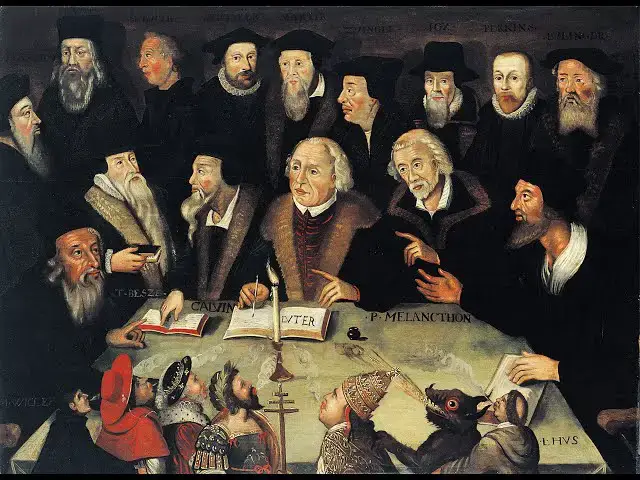

What Event Marked the Beginning of the Protestant Reformation?
Nov 4, 2024

The beginning of the Protestant Reformation is marked by a series of events and developments that culminated in Martin Luther's public challenge to the Catholic Church. The most significant event that sparked the Reformation is Luther's posting of the Ninety-Five Theses on the door of the Castle Church in Wittenberg, Germany, on October 31, 1517. This event is considered the catalyst for the Protestant Reformation, which had profound and enduring effects on the Christian world and the course of Western history.
Here's a detailed explanation of this pivotal moment and its significance:
1. The Context:
In the early 16th century, the Catholic Church was the dominant religious and political institution in Europe. However, it was also facing significant issues, including corruption within the clergy, the sale of indulgences (pardons for sins), and theological disputes.
2. Martin Luther's Background:
Martin Luther was a German monk and theologian. He had studied theology and had become increasingly concerned about the state of the Church, particularly its practice of selling indulgences to fund the construction of St. Peter's Basilica in Rome.
3. Posting of the Ninety-Five Theses:
On October 31, 1517, Martin Luther wrote and posted his Ninety-Five Theses, a list of arguments and propositions, on the door of the Castle Church in Wittenberg. This act was a common method of inviting scholars to engage in theological debate at the time.
4. Content of the Theses:
Luther's Ninety-Five Theses primarily criticized the sale of indulgences but also delved into broader theological issues. He argued that salvation is not achieved through the purchase of indulgences or good works but through faith in Christ alone.
Luther's theses questioned the authority of the pope and the clergy in interpreting and controlling access to salvation.
5. Rapid Spread of Ideas:
The Ninety-Five Theses were quickly translated into German and printed using the newly invented printing press, which allowed for widespread dissemination of Luther's ideas.
Show More Show Less