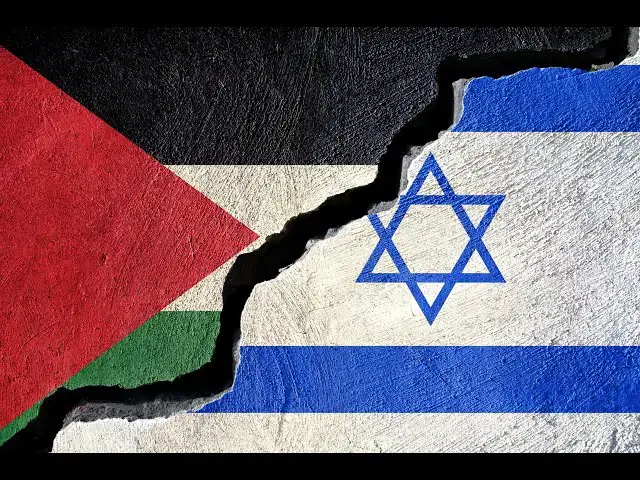

The Israel Palestine Conflict: A Complex Struggle of Histories, Perspectives, and Aspirations
Nov 4, 2024
The Israel-Palestine Conflict: A Complex Struggle of Histories, Perspectives, and Aspirations
The Israel-Palestine conflict is a deeply entrenched and multifaceted dispute that centers on competing claims to land, sovereignty, and identity. Rooted in a historical context of complex interactions and profound ideological differences, this conflict has spanned decades, resulting in persistent tensions and cycles of violence. Understanding the conflict requires a comprehensive exploration of its historical evolution, the perspectives of the Jewish and Muslim communities involved, and the potential pathways toward a more peaceful future.
Historical Perspective:
The origins of the Israel-Palestine conflict can be traced back to the late 19th and early 20th centuries, when the Zionist movement emerged among European Jews seeking a national homeland in Palestine, which was then part of the Ottoman Empire. Concurrently, Arab nationalism was also taking shape, leading to tensions between the two communities over land ownership and national aspirations. The Balfour Declaration of 1917, issued by the British government in support of a "national home for the Jewish people," further intensified these tensions.
After World War I, the League of Nations granted Britain a mandate to administer Palestine. The influx of Jewish immigrants intensified Arab concerns over demographic and territorial changes. These tensions erupted into violence, culminating in the 1947 UN partition plan that proposed the creation of separate Jewish and Arab states. The subsequent declaration of the State of Israel in 1948 led to a war with neighboring Arab countries and the displacement of hundreds of thousands of Palestinian Arabs, giving rise to the Palestinian refugee crisis.
Perspectives of the Jewish and Muslim Communities:
The Israel-Palestine conflict represents a clash of deeply held historical narratives and identities. From the Jewish perspective, the establishment of Israel fulfilled a long-standing aspiration for a safe haven in the aftermath of the Holocaust. The reclamation of historical ties to the land is central to Jewish identity, and the State of Israel is seen as the embodiment of this connection.
On the other hand, Palestinians view the conflict through the lens of dispossession and occupation. Many Palestinians continue to carry the traumatic memories of forced displacement and the loss of ancestral homes. The establishment of Israel is seen as a violation of their rights and a continuation of colonialism. The ongoing Israeli occupation of Palestinian territories, settlement expansion, and restrictions on movement have deepened grievances and fueled resistance.
The Future of the Conflict:
The path to resolving the Israel-Palestine conflict remains fraught with challenges, yet various initiatives and peace negotiations have sought to find a just and lasting solution. A two-state solution, envisioning the coexistence of Israel and an independent Palestinian state, has been a central framework for negotiations. However, obstacles such as borders, settlements, security, and the status of Jerusalem have hindered progress.
Other proposals, including a single bi-national state or a confederation, have been discussed, but they come with their own complexities. Achieving a comprehensive and equitable solution necessitates addressing core issues, such as refugees' right of return, the status of Jerusalem, and the delineation of borders.
The potential for peace also hinges on the willingness of both parties to engage in meaningful dialogue, make concessions, and foster mutual understanding. International actors, including the United Nations, have played a role in mediating negotiations, but the resolution of this conflict ultimately rests on the commitment and actions of the Israelis and Palestinians themselves.
Conclusion:
The Israel-Palestine conflict remains a deeply entrenched struggle marked by complex historical, cultural, and political factors. The perspectives of the Jewish and Muslim communities are rooted in their unique experiences and narratives, contributing to the ongoing tension. The road to a peaceful resolution is paved with challenges, requiring a commitment to dialogue, compromise, and empathy.
Show More Show Less #Other
#World News
#War & Conflict