

Short Interview by Mst. Najma Usman Ji
Nov 4, 2024
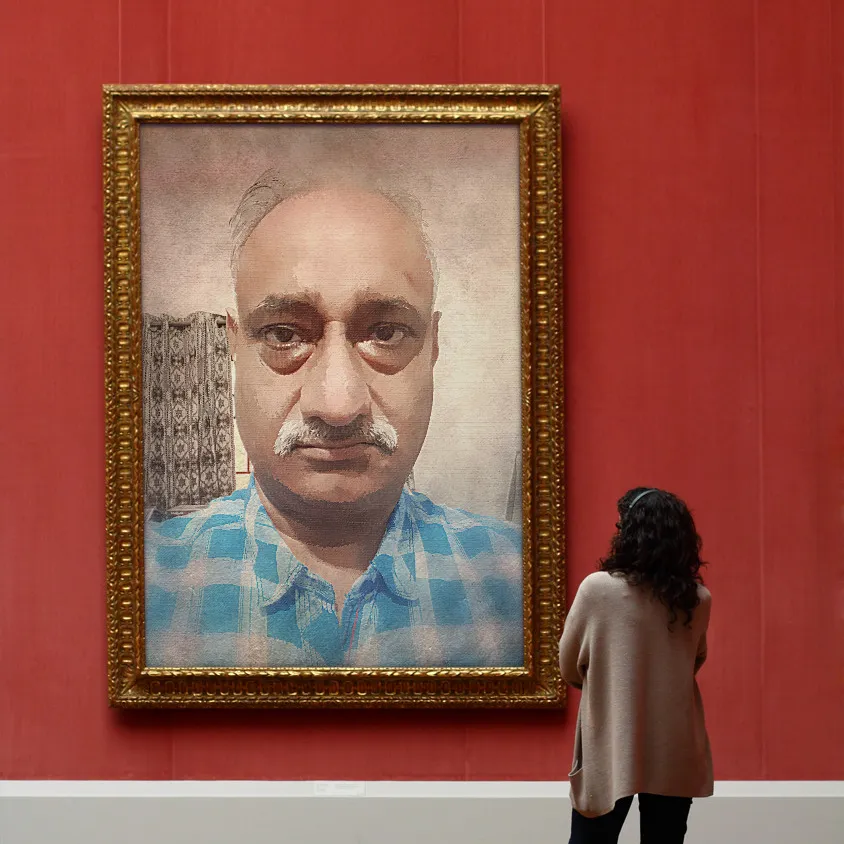
**Interview of Dr. Amjad Ali Bhatti by Mst. Najma Usman**
**Najma Usman:** Dr. Amjad Ali Bhatti, thank you for taking the time to speak with me today. As a scholar and expert in your field, can you tell us a little about your background and how your journey began?
**Dr. Amjad Ali Bhatti:** Thank you, Baji Najma, it’s a pleasure to be here. My journey started in Pakistan, where I developed a deep interest in literature and education. From a young age, I was fascinated by the way words could shape understanding and communication. This passion led me to pursue higher education in the field, and eventually, I moved to the Islamabad, where I’ve been involved in research, teaching, and writing. Over the years, my focus has expanded to include cross-cultural studies and the impact of migration on identity, which are topics close to my heart.
**Baji Najma Usman:** You’ve mentioned migration and cross-cultural studies. As someone who has experienced the challenges of living in a different country, how have these themes influenced your work?
**Dr. Amjad Ali Bhatti:** Migration has been a central theme in my academic work and personal life. Moving to Islamabad brought both challenges and opportunities, and it reshaped my understanding of identity, belonging, and community. My research often delves into the complexities faced by immigrants, particularly those from South Asian backgrounds. The idea of being caught between two cultures, and the emotional and psychological effects of that, is something I explore in depth. It has definitely influenced not just my professional work but also my personal outlook on life.
**Baji Najma Usman:** As someone who is deeply engaged in both academia and literature, how do you view the intersection of these two fields?
**Dr. Amjad Ali Bhatti:** Academia and literature are deeply intertwined, especially when it comes to understanding society and human behavior. Literature offers insights into cultural narratives, personal experiences, and social dynamics, which can be academically analyzed to draw broader conclusions. In my work, I’ve often found that literature provides a window into the unspoken struggles and triumphs of people, particularly immigrants. It serves as both a reflection of society and a tool for change. I believe academic research benefits immensely from literary exploration, as it brings humanity to facts and data.
**Baji Najma Usman:** Your research covers a wide range of topics, from migration to identity and education. What do you think are the most pressing issues facing immigrants today, especially in the UK?
**Dr. Amjad Ali Bhatti:** One of the most pressing issues is the challenge of maintaining one’s cultural identity while trying to integrate into the broader society. Immigrants, especially those from South Asia, often find themselves in a dilemma—how much of their culture to retain and how much to adapt. This becomes even more complex for second-generation immigrants who face identity crises. Additionally, the rise of xenophobia and the political climate around immigration policies can create a sense of alienation and fear. Navigating these social and political challenges is perhaps one of the most significant struggles immigrants face today.
**Najma Usman:** How do you think the literary world can address these challenges and foster a better understanding between different communities?
**Dr. Amjad Ali Bhatti:** Literature plays a crucial role in bridging gaps between communities. Through storytelling, we can humanize the immigrant experience and make it relatable to a broader audience. When people read about the emotional struggles, hopes, and dreams of immigrants, they can begin to empathize with them. Writers and poets have a responsibility to highlight these issues, not just as a form of protest but as a way to build dialogue and understanding. The literary world can be a powerful force for change by bringing marginalized voices to the forefront.
**Najma Usman:** That’s a beautiful thought. Lastly, what advice would you give to young writers and scholars, especially those from immigrant backgrounds, who wish to explore these themes in their work?
**Dr. Amjad Ali Bhatti:** My advice would be to stay authentic and true to your experiences. The immigrant experience is diverse, and there is no single story that represents everyone. Embrace your uniqueness, and don’t be afraid to tackle difficult or complex issues in your writing. At the same time, always strive for empathy and understanding in your work. Whether you’re writing fiction, poetry, or academic research, your work has the power to change perspectives and create a more inclusive world. Keep writing, keep questioning, and keep pushing boundaries.
**Najma Usman:** Thank you, Dr. Bhatti, for sharing your insights and wisdom. It’s been an enlightening conversation.
**Dr. Amjad Ali Bhatti:** Thank you, Baji Najma. It’s been a pleasure speaking with you.
Show More Show Less