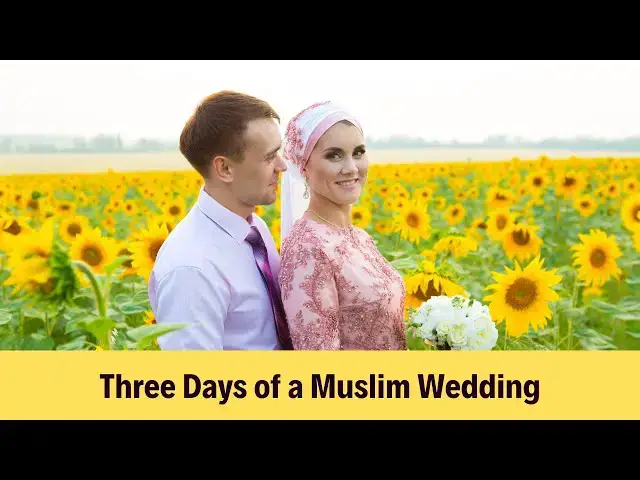

Three Days of a Muslim Wedding: Traditions and Expectations
Jul 2, 2024

Three Days of a Muslim Wedding: Traditions and Expectations
A Muslim wedding, often referred to as a Nikah, is a deeply spiritual and joyous occasion that spans several days, each filled with rich traditions and ceremonies. Understanding what to expect during these three days can enhance your appreciation of the cultural and religious significance behind each ritual.
Day One: The Mehndi Ceremony
The festivities typically commence with the Mehndi ceremony, which is an intimate gathering predominantly attended by the women of both families. The bride’s hands and feet are adorned with intricate henna designs, symbolizing joy, beauty, and spiritual awakening. This ceremony is often held at the bride's home or a chosen venue and is filled with music, dancing, and singing traditional songs.
Guests are expected to wear vibrant, colorful attire, reflecting the celebratory nature of the event. The atmosphere is lively, with relatives and friends engaging in playful banter and enjoying a feast of traditional delicacies. The Mehndi ceremony not only prepares the bride for her upcoming nuptials but also serves as a time for bonding between the families.
Day Two: The Nikah Ceremony
The second day is marked by the Nikah, the official marriage contract. This is the most solemn and significant part of the wedding, where the couple formally consents to the marriage in front of witnesses. The ceremony can take place at a mosque or a private residence and is usually conducted by an Imam or a respected elder.
During the Nikah, the groom presents the bride with a Mahr, a mandatory gift that is agreed upon during the marriage negotiations. This symbolizes his commitment and responsibility towards his wife. The couple, in the presence of two male witnesses, recites their vows, and the Imam delivers a sermon emphasizing the importance of marriage and the responsibilities it entails.
The bride traditionally wears a modest yet elegant dress, often in shades of red or gold, while the groom dons traditional attire such as a sherwani or a suit. The ceremony concludes with a prayer for the couple's prosperity and happiness. Guests congratulate the newlyweds and partake in a grand feast, which includes a variety of traditional dishes.
Day Three: The Walima Reception
The Walima, or wedding banquet, is held on the third day and signifies the public declaration of the marriage. It is hosted by the groom's family and is a more elaborate event attended by a larger number of guests, including extended family, friends, and community members.
This reception is marked by opulent decor, sumptuous food, and elaborate attire. The bride and groom, dressed in their finest, make a grand entrance to the cheers of their guests. The event is filled with speeches, toasts, and entertainment, creating a joyous and celebratory atmosphere.
The Walima is an opportunity for the couple to receive blessings and well-wishes from their loved ones. It also serves to solidify the bond between the two families and their respective communities. Guests are treated to a lavish meal, featuring a variety of regional and traditional dishes, signifying abundance and gratitude.
Understanding these three key days of a Muslim wedding allows for a deeper appreciation of the cultural and spiritual layers that define this significant life event. Each ceremony not only reflects the beauty of Islamic traditions but also the importance of family, community, and commitment.
To gain more insights into the rich tapestry of Muslim weddings and other cultural celebrations, we invite you to watch more videos in the associated playlist or the recommended video in the description of the video you just watched.
Also watch;
Understanding the Timing and Conditions for Marriage in Islam
https://youtu.be/7oFBZjQ7UJ8
Show More Show Less