0:00
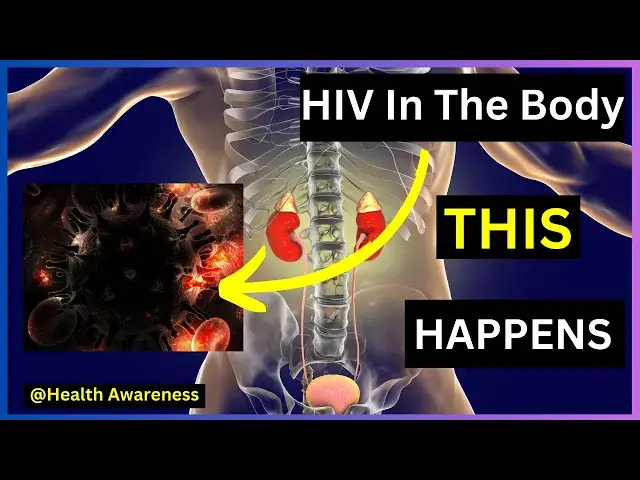
human immuno deficiency virus HIV
0:03
impacts the immune system manifesting
0:05
initially with symptoms like rash sore
0:08
throat fever and flu like symptoms post
0:11
exposure in the United States
0:13
approximately 1.2 million individuals
0:16
live with HIV with new diagnoses
0:18
decreasing significantly since the
0:21
1980s untreated HIV can compromise the
0:24
immune system heightening susceptibility
0:26
to infections and infections and
0:28
affecting various body systems including
0:29
cluding the skin respiratory and nervous
0:32
systems nonetheless modern treatments
0:34
offer remarkable efficacy enabling
0:37
individuals with HIV to lead long and
0:39
healthy lives this video explores hiv's
0:42
effects on the body encompassing early
0:44
symptoms immune system impacts and late
0:47
stage opportunistic infections
0:49
additionally it delves into the effects
0:51
of HIV medications before delving into
0:54
the discussion remember to subscribe
0:56
activate notifications and stay tuned
0:59
for compelling health content if you'd
1:01
like to support our health awareness
1:02
Outreach find the link in the video
1:05
description how each stage of HIV
1:08
body HIV is a viral infection that
1:12
specifically targets and gradually
1:13
weakens the body's immune system by
1:15
damaging cells known as cd4t cells this
1:19
damage results in a decreased ability
1:20
for the body to fend off other
1:22
infections over time if the immune
1:25
system becomes compromised enough
1:27
infections that are usually mild can
1:29
become life threatening categorized as
1:32
infections when an individual contracts
1:35
HIV and does not receive treatment the
1:37
infection generally progresses through
1:40
stages stage one acute
1:43
infection soon after Contracting the
1:46
virus the person has a large amount of
1:48
HIV in their blood and the risk of the
1:50
virus transmitting to others is high
1:52
some people may experience flu like
1:54
symptoms but others will have no
1:56
symptoms but others will have no
1:58
symptoms stage two chronic
2:01
infection without treatment this stage
2:03
can last for a decade or longer people
2:06
may not have any symptoms but the virus
2:08
can still transmit to other
2:10
people stage three infection also known
2:13
as AIDS at this stage a person's immune
2:16
system is badly damaged and their CD4
2:19
cell count drops below 200 cells per
2:22
cubic millim cells per millim cube of
2:24
blood they will become vulnerable to
2:27
opportunistic infections and the risk of
2:29
viral transm can be high however HIV
2:33
treatment also known as anti-retroviral
2:35
therapy is effective in slowing or
2:37
preventing this progression
2:39
anti-retroviral therapy has been a
2:41
treatment option since
2:43
1996 the availability of effective
2:45
treatment has meant that many people
2:47
with HIV can have a typical life
2:49
expectancy and never develop stage 3 HIV
2:52
the incidence of opportunistic
2:53
infections is much lower than before
2:56
early effects of HIV on the body when
2:59
when an individual first encounters HIV
3:02
they may exhibit symptoms resembling the
3:04
flu these symptoms typically manifest
3:07
within 2 to four weeks of exposure and
3:09
can persist for several days or even
3:11
weeks medical professionals term this
3:13
phase as seroc conversion
3:15
illness Ser conversion marks the period
3:18
when the body generates antibodies
3:20
against HIV indicating an active immune
3:22
response to combat the infection however
3:25
many individuals may not display any
3:27
symptoms during this stage leading to
3:29
diagnosed HIV infections in fact an
3:33
estimated one in seven people are
3:34
unaware of their HIV status underscoring
3:37
the importance of regular testing in
3:40
cases where symptoms do present the
3:42
individual may experience flu-like
3:44
Sensations symptoms of acute HIV
3:47
infection may include one fever and
3:50
chills two skin rash three sore throat
3:56
four swollen glands five joint or muscle
4:04
sweats s fatigue eight mouth
4:09
ulcers after the serah conversion period
4:12
the person may not experience any
4:13
symptoms for a decade or longer this
4:16
stage is known as chronic HIV
4:18
infection although people tend to feel
4:21
well during this stage the infection is
4:23
still active the virus continues to
4:26
reproduce attack new cells and damage
4:28
the immune system it is also possible
4:31
that the virus will spread to
4:33
others effects on the immune system HIV
4:37
primarily impacts the body by
4:39
selectively targeting and impairing
4:40
cells within the immune system which
4:42
serves as the body's defense against
4:46
fungi upon attaching itself to a
4:49
specific type of white blood cell known
4:51
as a cd4t cell the virus integrates with
4:54
it these tea cells play a crucial role
4:57
in the immune system's function once
4:59
inside the cd4t cell the virus
5:02
replicates causing damage to or
5:04
destruction of the cell before moving on
5:07
cells an individual's cd4t cell count
5:11
serves as an indicator of their immune
5:13
system's Health a normal cd4t cell count
5:16
ranges from 500 to 1600 cells per mm
5:19
cube of blood without treatment for HIV
5:22
the HIV 4T cd4t cell count decreases
5:26
progressively over time when the count
5:29
Falls below 200 cells per mm Cube the
5:32
individual's immune system becomes
5:34
significantly compromised rendering them
5:36
more susceptible to opportunistic
5:38
infections so what are opportunistic
5:42
infections opportunistic infections are
5:44
viral bacterial or fungal infections
5:47
that take advantage of a weakened immune
5:49
system these infections are typically
5:51
mild in people without HIV but can be
5:54
severe or life-threatening in people
5:56
with a low cd4t cell count such as those
6:00
HIV a person may receive a diagnosis of
6:03
stage 3 HIV if they develop an
6:05
opportunistic infection some of the most
6:07
common opportunistic infections in the
6:09
US are one herpes simplex virus an
6:13
infection that often causes sores on the
6:15
mouth two salmonella a bacterial
6:18
infection that affects the
6:20
intestines three oral thrush or vaginal
6:23
thrush which are infections with a
6:28
toxoplasmosis partic infection that can
6:30
affect the brain the treatment for an
6:33
opportunistic infection will depend on
6:36
the type of infection but options
6:38
include antiviral drugs antibiotics and
6:42
medications other opportunistic
6:50
tuberculosis three certain cancers such
6:57
virus five cryptococcal
7:03
coinfections many individuals living
7:05
with HIV experienced coinfections where
7:08
they have two or more infections
7:10
concurrently Hepatitis B and hepatitis C
7:13
are prevalent coin infections often
7:15
contracted through similar means as HIV
7:18
such as sexual contact and sharing drug
7:19
injection equipment another common coin
7:22
infection is tuberculosis a respiratory
7:25
condition caused by the bacterium
7:27
tuberculosis some individ indviduals may
7:30
have latent tuberculosis meaning the
7:32
bacteria reside in their body without
7:34
illness individuals with HIV who are not
7:37
receiving treatment are at an elevated
7:39
risk of developing tuberculosis after
7:43
bacteria the Centers for Disease Control
7:45
and prevention CDC recommend that all
7:48
individuals with HIV undergo testing for
7:51
Hepatitis B hepatitis C and tuberculosis
7:55
regardless of current signs or
7:57
symptoms HIV and mental health
8:00
receiving a diagnosis of HIV and coping
8:03
with the condition can profoundly impact
8:05
an individual's mental
8:06
well-being according to the National
8:08
Institute of Mental Health people living
8:10
with HIV are twice as likely to
8:12
experience depression compared to those
8:14
without the virus additionally they face
8:17
an increased risk of mood disorders
8:19
anxiety disorders and cognitive
8:21
impairments living with HIV introduces
8:24
specific stressors including the need to
8:26
navigate and coordinate Medical Care
8:28
manage lifelong medication regimens and
8:30
confront the stigma and discrimination
8:32
associated with the virus moreover
8:35
certain anti-retroviral medications May
8:37
contribute to mental health side effects
8:41
anxiety fortunately many mental health
8:43
challenges associated with HIV are
8:45
manageable talking therapies medication
8:48
and social support can all play integral
8:50
roles in alleviating symptoms and
8:52
improving overall well
8:54
well-being how anti-retroviral drugs
8:57
affect the body one while a cure for HIV
9:00
remains elusive anti-retroviral therapy
9:03
offers effective management by
9:05
significantly reducing the viral load in
9:07
blood this not only maintains the
9:09
individual's Health but also greatly
9:11
diminishes the risk of transmitting the
9:13
virus to others a suppressed viral load
9:16
often termed undetectable virtually
9:18
eliminates the risk of transmission to
9:20
others leading to the adage undetectable
9:23
equals untransmittable U equals to U
9:26
equals to U experts at vate for early
9:30
initiation of anti-retroviral therapy
9:33
for all individuals diagnosed with HIV
9:35
regardless of their HIV regardless of
9:38
their cd4t cell count starting treatment
9:40
promptly is crucial for achieving
9:43
outcomes while anti retroviral drugs May
9:46
induce side effects in some individuals
9:49
modern medications typically produce
9:50
fewer and milder side effects compared
9:53
to older drugs possible side effects of
9:56
anti-retroviral drugs include one one
10:05
diarrhea four nausea or
10:08
vomiting five difficulty
10:11
sleeping six dry mouth seven skin rash
10:18
dizziness nine pain some side effects of
10:23
anti-retroviral therapy may occur
10:25
shortly after starting treatment and
10:26
lasts for a few days or weeks while
10:28
Others May emerge later or persist
10:31
longer if an individual experiences
10:33
severe side effects that prompt
10:35
consideration of discontinuing treatment
10:37
they should consult their healthcare
10:38
provider stopping treatment or missing
10:40
doses can result in drug resistance
10:43
limiting treatment options limiting
10:44
treatment options to mitigate side
10:47
effects some individuals may find it
10:49
helpful to take the medication 2 hours
10:52
before bedtime to minimize sleep
10:53
disturbances While others may prefer
10:57
Administration it's essential for
10:58
individual ual taking anti-retroviral
11:00
drugs to be mindful of potential
11:03
interactions with other prescription
11:04
medications Herbal Remedies and
11:07
recreational drugs certain HIV
11:10
medications may also lead to less
11:12
apparent changes such as increased
11:14
cholesterol and other blood fats liver
11:16
or kidney issues and alterations in body
11:19
fat distribution particularly with older
11:21
HIV drugs Healthcare Providers can
11:24
monitor for these issues during routine
11:26
checkups despite potential challenges
11:28
evidence indicates the long-term safety
11:30
of anti-retroviral therapy significantly
11:33
extending life expectancy for many
11:38
finally HIV is a virus that impacts the
11:41
immune system posing risks of various
11:43
infections and complications throughout
11:45
the body without treatment however
11:47
anti-retroviral therapy effectively
11:50
reduces the viral load safeguarding the
11:52
immune system from damage consequently
11:55
opportunistic infections have
11:56
significantly declined due to this
11:58
treatment found this video informative
12:01
make sure to subscribe to our channel
12:03
for additional Health content you can
12:05
also support our health awareness
12:06
Outreach by checking the link in the
12:08
video description thank you for