Up next in 10

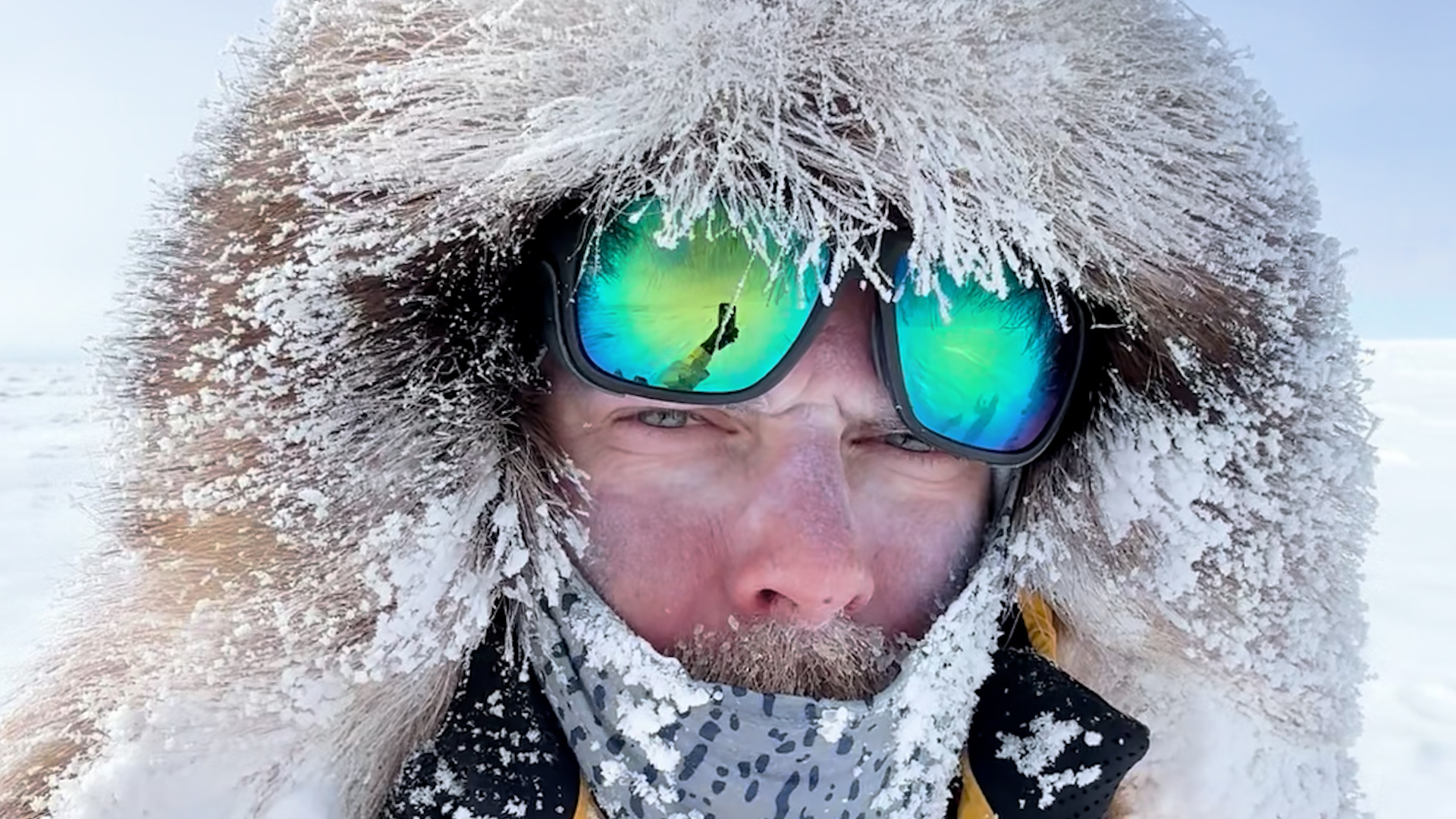
Jonny Huntingdon's incredible South Pole expedition
Mar 25, 2026


Jonny Huntingdon talks about his incredible expedition to the south pole.
Show More Show Less View Video Transcript
0:00
I had basically a blood vessel burst in my brain, so I was paralyzed completely from the neck down
0:05
on my left-hand side. Antarctica is the world's largest desert for the entire trip
0:12
I was the only living, breathing thing at all. There's no time zones down there. With no darkness
0:21
you have no circadian rhythm. I was spending a lot of time basically worrying about
0:25
is my belief just going to snap. I'm Johnny Huntington and I've just been awarded
0:32
three Guinness World Records titles for the first ever disabled person to scoot to the South Pole
0:39
solo and unsupported, and the fastest of the same, and also for the furthest
0:46
polar expedition done by disabled persons, solo and unsupported. I went to the Royal Military Academy
0:53
Sandhurst, which is the officer training college in May of 2013. I commissioned from there in April of 2014
1:00
and then literally eight weeks after that sort of sustained my injury
1:04
June 2014, I had basically a blood vessel burst in my brain
1:10
So I was paralysed completely from the neck down on my left-hand side. My entire army career was not quite four years
1:17
I spent two and a half of that, you know, in rehab
1:21
So really fortunate to have been afforded amazing rehab by the military, etc. in the army at the time
1:29
But sort of long story short with it is that I still have quite a lot of residual paralysis down one side
1:35
So my left foot is completely paralyzed. My ankle is more or less completely paralyzed
1:41
So, you know, the further up you get, the better it gets. You can see my hand works pretty well when I'm just like failing it around
1:48
But yeah, there is basically residual injury all the way down the left side of my body
1:53
As part of my recovery journey from my injury, I was introduced to a couple of military charities
2:00
one of which did Armed Forces Paris Snow Sports team, which taught me how to ski and helps injured service personnel to rehabilitate through snow sports
2:09
And the other of which is the Adaptive Grand Slam, which gets not only actually sort of disabled military personnel but it's a civilian charity as
2:19
well but they introduce basically disabled people to expeditionary stuff hill walking mountaineering
2:26
these kinds of things so I was really fortunate to be afforded these opportunities at a point in my life actually where from you know not only a physical point of view but from a mental health stance like really
2:39
needed them as well actually. That's basically where I like pretty much learned to ski, learned
2:44
to do a lot of this slightly peculiar stuff that I now call a job. When you do these you plan on
2:52
losing quite a lot of weight so I lost about 10 kilograms over the course of that sort of 46 day
2:57
period and so I had to basically put that on prior to going down so I spent quite a long time
3:03
about the best part of nine months really focused on sort of training and putting weight on and
3:10
doing all of these things. So you fly from the UK to Punta Arenas in Chile so you fly into Santiago
3:18
Transfer from there it's still about another four and a half hour flight from Santiago to Punta
3:23
because Punta's right on the southerly tip of Chile. So it's pretty much the closest city you'll get to Antarctica itself
3:31
I then spent about a week in Punta. So you're like sorting all your food out
3:36
freeze drying it, like backpacking everything, blah, blah, blah. So lots and lots of admin to do
3:41
because I got my kit shipped there about, I think it was about a month before I went down there
3:47
So sort of reunited with this like absolute sort of gang of kids
3:52
which you then have to like deal with um so you sort of spend a week basically stuck in an apartment
4:00
doing all the bits um and and then actually a really quick turnaround you fly from punta to
4:07
union glacier i was at union glacier for about i want to say 48 hours before the expat sort of
4:14
started and it was like right flying to your start point today so the journey itself took
4:19
just under 46 days you are completely alone and it's quite a disconcerting thing and even like
4:29
weeks into it because the thing is there's just nothing alive down there so the one that used to
4:34
get me was whenever you put your ski pole into the ice every now and again it'll squeak when it
4:39
rotates a bit and you immediately look up because you think it's like a seagull or something
4:43
and it's like two weeks into the expedition of still looking for seagull like you idiot you
4:51
you know there's you know there's nothing here so where I was starting which is the
4:56
inner coastal start you know there 800 kilometers of ice out towards the sea beyond where I was so I was not even anywhere near any of the penguin colonies So literally for the entire trip
5:12
I was the only living, breathing thing at all. Antarctica is the world's largest desert
5:20
What that means is because there's so little moisture there, it's incredibly, the air's very, very dry indeed
5:27
which is actually one of the reasons why, you know, despite being incredibly cold
5:32
it kind of doesn't feel as cold compared to what the equivalent temperature in the UK would feel like
5:41
That constant sunlight, 24-hour sunlight, that causes the snow to melt. But actually when the snow melts down there, the water evaporates
5:52
and you get left with these powder crystals, which feel like grains of sand
5:58
They don't feel like snow. It feels like you're skiing up a beach
6:03
From an expeditionist's point of view, it was awful. Today's just been horrendous, like genuinely horrific snow
6:11
Sort of powdery and sticky. So like 22 and a half kilometres took me 11 and a half hours today
6:19
and it was just a grizz all the way. There's no time zones down there and you basically, what most people do is just pick a time zone
6:27
Most of us use Chile because the camp that you have to be in contact with are on Chilean time, so fine
6:32
Some of the people attempting like speed records and stuff were working to a 30-hour day
6:37
because they just wanted to ski for longer and, you know, sleep the same
6:42
I worked to like a really standard 24-hour day. It just seemed sensible to like not overcomplicate things for myself
6:48
with no darkness you have no circadian rhythm so you can take your sleep mask off and you know
6:56
that's literally all you're using to to differentiate between day and night basically
7:01
as soon as that sleep mask comes off you're awake the only thing that really like that didn't go
7:10
pretty smoothly actually was the fact that because my because my right leg was having to do so much
7:17
work because my left simply doesn't. I basically started developing like a bit of Achilles
7:23
tendonitis towards the end of the third week. The snow been really soft so moving for the last few weeks has been really quite hard work I probably taken like more wear and tear than one might have hoped at this stage When you just skiing for 12 hours a day with no stimulation and nothing to
7:47
kind of think about really, I was spending a lot of time like basically worrying about is Michael
7:53
he's just going to snap and then that's you know that at that point is that game over? I don't know
7:58
how one limps with both legs, but, you know, figure it out. But other than that, in all honesty, actually
8:04
whether through luck or judgement, who knows, but everything went really smoothly
8:10
I mean, we really didn't have any bad problems. So you can see the South Pole camp from about 18 kilometres away
8:20
You are pretty confident by that point it's going to be your last day on the ice
8:25
And from my point of view, it kind of had to be, because I only had 24 hours worth of food left
8:29
We are now going to ski until we get there. I think you are so tired by that point
8:33
that there was certainly no prospect, in my case, of a sprint finish or anything
8:37
and you're not allowed to ski straight to the south pole. You have to ski to a signpost called the West Waypoint
8:44
and then into the poles, so you don't disrupt scientists who are doing something actually important down there
8:52
Having been able to navigate to some random waypoint in the middle of Antarctica
8:56
and then you just turn left a bit and doing that for like 250 kilometers at a time
9:00
for the last month and a half. So that was slightly, slightly nervous
9:05
because your GPS has just stopped. It just doesn't work. Everything is contingent on you hitting this signpost
9:12
that's in the middle of nowhere. And so all you're doing is thinking, right, whatever you do, like, don't mess it up now
9:18
I really enjoyed, and I appreciate it's a cliche, but like, I really enjoyed the journey itself
9:23
You know, I think the, what a privilege to be able to be on, you know, the most unique continent in the world on your own
9:34
Because you don't have any external interference, you have no worries. So you only, you can focus entirely on being present
9:42
And I love that because it meant that I kind of feel that I got to experience that continent, like, to the fullest extent possible
9:50
and like I say, what's a privileged actor? If one person with a disability considers something
9:57
that they had previously thought they weren't able to do, if one person considers doing that thing or trying that thing
10:03
that's why I do this