0:00
Hello plant people how are you guys doing today if you're new around here my name is Ashley and
0:03
I'm a soil scientist on this channel I like to take that science and apply to all things plants
0:09
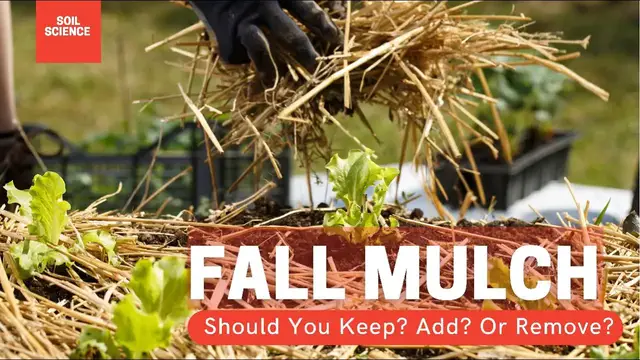
and in today's video we're talking about whether or not you should remove your mulch in the fall
0:14
and just kind of fall mulch maintenance in general with that being said if you enjoy the science of
0:21
gardening or just plant care in general then be sure to sign up for the newsletter I have officially
0:27
made the sign up login will be down below in the description and in the comments if you want to
0:35
sign up it's only I'm aiming for once a month it's probably quite honestly going to be less than once
0:40
a month but my intent behind it is to give you guys to-do lists of what you should be doing with
0:45
your house plants indoor gardens or gardens as well as give you discount codes because obviously
0:50
I'm going to have my 2021 planner coming out very soon, that sort of thing. So it is for loyal
0:57
subscribers to get discounts and information. I'm also going to be posting in their latest research
1:06
whether that be from the soil science field, the plant science field, you name it, just to keep your
1:11
eyes up to date on some wild and crazy things that are happening in the world around us when it comes
1:16
to plants. So I think it's kind of cool. You have to let me know in the comments down below if you enjoyed that video and do not forget to smash that like button for the
1:25
algorithm because algorithms like thumbs up more than they like subscribers I do
1:30
not know why they actually enjoy thumbs down to you so jokes on you if you
1:34
thumbs down this so for those of you that do not like long videos should you
1:39
remove your mulch in the fall and the answer is no maybe it depends but mostly
1:47
know let's get into why so spoken about the whole concept of mulch stealing nitrogen from
1:54
the soil and we reviewed why this does happen however why it does not matter if it's on
2:00
the surface of soil rather than incorporated so we are leaving that fall mulch on the surface and we are not incorporating it then you are made in the shade This is the perfect way to do it Now if you choosing
2:12
to incorporate, keep in mind wherever there is a junction between soil and mulch, you will have
2:18
reduced nitrogen levels because the microbes that need to decompose that mulch will actually take
2:25
the nitrogen reserves from the soil to help fuel the battery of decomposition of the actual mulch
2:30
particles so if you incorporate you can expect lower nitrogen rates however if you just top apply
2:37
top dress and leave it for the fall you will be just fine the benefit to leaving mulch in the fall
2:43
is that first of all it acts as a barrier between the snow and the soil if you have a microbially
2:49
active soil or if you are an organic gardener in any capacity you want to try to insulate that soil
2:56
as much as possible so especially if you have perennials as well even if you're a conventional
3:01
perennial person you want to insulate the soil as much as possible because the milder the winter the
3:07
sooner your spring will bounce back and as well the less die die off you will have so i mean
3:13
there's tons of benefits there but insulation and reduction of topsoil loss are key and this is why
3:19
you would leave mulch in place so how do you determine whether or not you should top up said
3:24
mulch in the fall? Well, that's a great question because if you have a degraded mulch on the top
3:31
of the soil surface and you intend to use that mulch as an insulator or some way of protecting
3:37
the plants, you need to determine if you actually need to top up or add mulch rather than remove
3:44
So the best way to determine this is actually physically looking at it, picking it up in your
3:49
hands and checking out what the texture or the mushiness of the product is. So if you grab it
3:57
and a majority of it looks like soil or when you rub the bark pieces if they fall apart and crumble
4:05
into soil particles this is a sign it is time to replace You want to insulate with actual chunks of water actual chunks of straw because the air porosity within the chunks of wood or chunks of straw are going to act as an insulator This is key
4:24
So if you have heavily degraded mulch and the intention is to either insulate the soil or to
4:29
insulate the perennials, then you most definitely want to add new mulch to the top layer of your
4:35
soil there's no wrong answer as to how much to put it is completely based on
4:40
what method you are going for so for many it'll be one to two inches for the
4:46
deep mulch guys they're gonna do three feet I'm just joking but you're going to
4:50
do excessively more it's all about taste and function and what you are going with
4:55
keep in mind if you do add a top mulch layer you're going to want to wait until
5:02
all your weeds are done spreading their seeds so when you add the top mulch layer
5:07
after this weeds have done their duty it will act as more of a buffer to help
5:13
make sure that these seeds won't get light quickly enough to actually
5:19
germinate in the spring so the other factor to look at is actually the idea
5:26
of pests so the reasons for why you would not want to add a mulch to the top
5:31
of a soil is pests so there are very specific cases and I highly recommend
5:37
that if you have a bacterial a fungal a viral and insect issue any of those four
5:43
is that you research how they overwinter in your zone if it says they
5:49
overwinter in the soil this is time to actually remove that mulch and expose
5:55
that soil as much as possible to the cold and hopes that it will act as a
6:00
a natural pesticide to actually kill off the spores, the babies, whatever the case is
6:06
So that's when you would actually remove that insulating layer. Now, with some fungi such as powdery mildew, for example, you actually want to remove that
6:15
top layer any leaves any mulch whatsoever because the fungal spores will actually over winter inside of that mulch So if you had issues with powdery mildew sclerotinia faesarium wilt those things overwinter in the soil and
6:31
therefore you want to remove dead plant matter, mulch, and even in some cases compost or manure
6:39
especially if it has not been fully degraded. And this is because the sun combined with the actual
6:46
cold is going to totally sterilize whatever is left over on that soil surface. Keep that in mind
6:52
look at what your year before looked like, what you're going to be putting in place in the falling
6:57
years, and then act accordingly. The keys to this entire video were leave it in place pretty much
7:04
unless there is a major pest issue and you know that pest over winter is in the soil
7:09
You can leave it in place, but you can also top up and in some cases you do want to top up
7:16
especially if it looks heavily degraded. And thirdly, no, it's not going to take a ton of
7:22
nutrients out of your soil if you leave it on over winter. In some cases that actually may do
7:28
the opposite of it, especially if it comes to nitrogen and leaching, you won't have nearly as
7:33
much runoff it also is going to protect your soil surface from things like wind
7:39
and again water which will reduce processes that are known to mankind
7:45
called globalization and leaching which ultimately it's the loss of nutrients it's a loss of plant food so mulch is going to help to counteract that if you
7:55
guys enjoyed this video be sure to give it a thumbs up let me know in the comments down below if you remove your mulch if you add to your mulch in the
8:03
fall or if you just totally ignore your mulch by the time it's fall because you're just done
8:08
with plants and gardening in general. I want to thank you guys so much for watching and I
8:12
will talk to you guys next time. Bye