Up next in 10

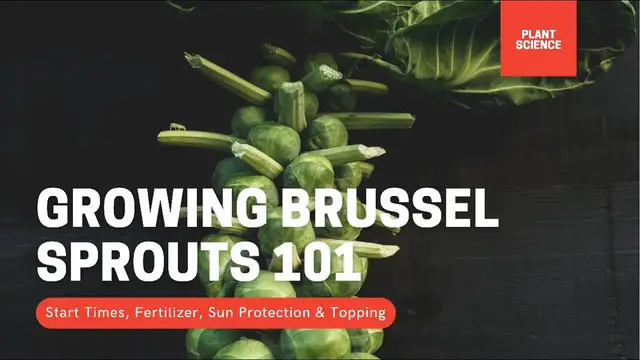
How To Grow Brussel Sprouts. Growing Brussel Sprouts In Cold Climates | Gardening in Canada
Apr 27, 2022


Brussel sprouts are a staple frozen food to have. But when it comes to growing your own brussel sprouts there are a few things to keep in mind. This gardening in Canada article is going to look at how to grow brussel sprouts in Canada start to finish. We will be looking at how to start Brussel plants indoors, common issues, fertilizer and other needs.
Brussel sprouts may be a cold climate crop but they need a relatively long growing season to produce veggies. The average number of days to harvest is 80-90 days which is similar to that of a tomato plant. This is why for many of the zones in Canada we need to start our brussel sprouts inside. For some zones the start time may be in February and for others it may be April. If you are unsure as to what your zone is or when your start time should be check out this article here.
🌻 Article https://gardeningincanada.net/brussel-sprouts/
Website/Blog & FREE printables: https://gardeningincanada.net
——————
👩🔬 Grab your at home Garden Soil Testing Workbook! https://etsy.me/3dW5HLg
—————
👩🔬Patreon: https://www.patreon.com/gardeningincanada
—————
Amazon Affiliate:
pH Meter: https://geni.us/ZXQx0S
Show More Show Less View Video Transcript
0:00
hello plant people how are you guys doing today if you're new around here my
0:03
name is Ashley and I'm a soil scientist on this channel I like to take that
0:07
science and apply it to all things plants and in today's video we are going
0:11
to be talking about Brussels sprouts and specifically how to grow Brussels
0:15
sprouts in a cold climate so if you are not familiar Brussels sprouts do have a
0:20
longer growing season they are around the same time frame as a vast majority
0:26
of tomatoes which is around the 80 to 90 day mark now what that means for us in
0:34
cold climates is that we actually have to start these indoors which most people
0:39
may not know and so they get them directly outside and ultimately what
0:43
ends up happening is no harvest so we're gonna be going through start to finish
0:48
growing Brussels sprouts in the garden and specifically for the end of fall or
0:53
when the summer starts to wind down if we don't have the actual sprouts forming
0:57
how we can trigger the plant into doing so so we actually do still get a harvest
1:02
despite having that slower growing season so Brussels sprouts have a very
1:07
similar grow length time wise as tomato when you start your tomatoes you're
1:12
also going to want to start your Brussels sprouts with that being said I
1:16
started my Brussels sprouts indoors this year and the light I had them under was
1:21
much too intense so I actually started my seedlings under the same type of
1:25
lighting then I started my tomatoes my peppers things of that nature what I
1:29
noticed was my Brussels sprout was very very compact and despite the fact that
1:35
compact is generally a good thing when it came to transplanting them outdoors I
1:40
noticed that they started lagging out more which is more of the natural state
1:46
of the plant oh if you have low lighting or poor lighting for grow lights then these actually might
1:52
be the crop to try out especially if you are a beginner when starting plants indoors you can
1:58
start these in February anywhere from February to March really and still get a harvest in the fall
2:04
keep in mind the earlier to start them the sooner your harvest will be so if you want to have brussels
2:10
sprouts from say July to August then you may want to start them January February
2:16
March so do them in waves and do two three plants at a time it all up to you or you can do them all at once harvest them all at once and then freeze them all at once as well the nice part about Brussels sprouts and growing them in a cold climate is not just the fact that they
2:31
don't need intense lighting they can just work off of a basic grow light but
2:35
also that we can put them outdoors sooner because they have a slight frost
2:41
tolerance so long as we even just provide them a plastic milk jug to kind
2:46
of insulate them on nights that get very very cold we can put them outdoors
2:50
before our frost free days begin you can actually transplant these outdoors
2:55
anywhere from two to three weeks before your frost day starts keep in mind if
3:00
it's an intense frost night then you are obviously going to want to cover it with
3:03
a blanket but if it's a light mild frost there's no reason why you can't just
3:08
simply water them at night to keep that soil moisture up and then have them live
3:14
or thrive going forward the sooner you get them outside the better because they
3:18
do not like heat so if you keep them until frost free date starts or after
3:23
what ends up happening is we end up with kind of malformed growth and it's
3:30
because of the heat of the greenhouse so we want to get them outside and the fresh air out of the heat as soon as possible the next part about growing
3:37
Brussels sprouts outdoors and that is definitely do not want to plant these in
3:43
super super sunny location so while in June everything's cool and nice by the
3:49
time July and August roll around the heat and the Sun can get intense so you
3:55
can place Brussels sprouts especially if you're in a hot warm place in a partial
4:00
shade area and this will help shield the Brussels sprouts from too intensive Sun
4:05
which ultimately can cause wilting and poor growth and overall a very poor
4:11
harvest so partial shade for those of us that are in a you know very hot very
4:17
sunny climate if you have hot Sun and you have nowhere else to put the Brussels
4:23
sprouts then you may want to invest in a shade cloth that you can place over top
4:28
of the Brussels sprouts when the temperatures get 30 and above trust me
4:33
it's a very very good idea if you don't you will have Brussels sprout loss when
4:37
it comes to actually fertilizing your Brussels sprouts they are kind of unique because they are in the brassica species category So they do enjoy higher levels of sulfur when compared to other crops that are typically grown in a garden so your classic NPK will work just fine but
4:55
if you're using an organic or specifically an NPK fertilizer you do
5:00
want to check the levels of sulfur in that fertilizer itself sulfur does have
5:05
to be present not in mass quantities but in some sort of a quantity and that
5:09
actually should be your third your fourth ingredient listed on your fertilizer packet so it'd be NPK s so the fourth one on the list should be
5:20
sulfur but keep in mind it needs to be in there and the same goes for if you're
5:25
growing mustard cabbage anything in the brassica species okay so we've talked
5:31
about growing them indoors we've talked about transplanting them outdoors we've talked about fertilizer we talked about sun and heat now let's get into pests so the pests for
5:42
the brussels sprout are the exact same pests for cabbage and my brussels sprouts this year did have
5:48
some worm issues but it is easily fixed with just some diatomaceous earth in some cases a nylon sock
5:56
over top will help or you can use predatory nematodes if you have a slug or a snail issue
6:04
in particular the neotodes are most definitely your answer but if we're
6:10
dealing with worms or beetles a powdering of diatomaceous earth is the
6:15
way to go for a caution I have a whole video on diatomaceous earth but something
6:19
to keep in mind is that diatomaceous earth can affect pollinators the saving
6:25
grace is that the Brussels sprouts themselves don't have actual flowers so
6:30
So it's very unlikely that any sort of a pollinator is going to go near the Brussels sprouts or
6:36
even hang out on a Brussels sprout. So diatomaceous earth works in that sense
6:42
But if you have flowers or things that, you know, pollinators will hang out on, I would
6:49
go away from the dusting of that. Another method that you can use if you don't like the idea of nematodes, although I heavily
6:57
recommend ant slugs seriously guys they deal with everything and they're good
7:02
for your soil so the nematodes the diatomaceous earth the other option
7:06
would be copper rings I know this sounds super super weird you can get really really decorative looking copper rings to put into the soil or you can literally just put copper pipe in the soil either way bugs that are
7:19
soil born or live in the soil absolutely despise copper so something to keep in mind so we're
7:28
coming to a close on the summer and for some of us we may have noticed that our brussels sprouts
7:34
have not yet made sprouts which can be heavily discouraging because that was the whole point of
7:39
growing the brussels sprouts to begin with so the best way to get your actual brussels sprout
7:45
to sprout is to top it so i did an entire video on this but i used tomatoes as the example the same
7:53
science and math applies you just literally take off the top portion of the brussels sprout plant
7:59
And what that does is it redirects all the energy from new growth going upwards back into the growth down below, which in turn will be the sprouts themselves
8:10
So topping is the best way to start to get some Brussels sprout formation
8:15
Now, keep in mind, the seedlings don't mind a little bit of frost and the adult plants actually don't mind frost at all either
8:21
So I did write about this on my blog, but some of the best times to actually harvest the Brussels sprout is after the first frost
8:29
So for us in zone three, that would be probably mid September
8:34
And the September is when our first frost is going to hit. And that's actually the time you want to harvest the Brussels sprouts
8:40
Now, if you are heavily opposed to, you know, mushyness, or if you like the bitter taste
8:47
of Brussels sprouts, then, you know, harvesting before the frost is just fine
8:52
But if you want to get rid of that bitter taste, um, and you want more of a softer type
8:57
Brussels sprout then after frost is the time to harvest and they're actually very very tasty at
9:03
that time as well but that's all I have for growing Brussels sprouts in cold climates be sure to let
9:09
me know in the comments down below what your tips and tricks for growing Brussels sprouts are remember
9:13
the comment section all the time is just as valuable as the video itself your guys's experience
9:19
based on your zone in your area is arguably more valuable to someone in your zone than my face
9:27
talking on a screen. So that's just the honest truth. I want to thank you guys so much for
9:32
watching. Be sure to give this video a thumbs up. Hit that subscribe button and I will talk to you
9:36
guys next time. Bye
#Cooking & Recipes
#Healthy Eating
#Fruits & Vegetables