
Tupolev's Tu-214 Production Plan: Why Russia Is Waiting for S7
Oct 27, 2026

Russia's Tu-214 programme is facing a crucial decision that could determine whether the aircraft becomes a larger part of the country's commercial aviation fleet. The biggest issue is not simply how many aircraft the Kazan Aviation Plant can build. It is whether Tupolev can deliver a commercially viable aircraft with a modern two-pilot cockpit—and whether airlines will commit to buying it.
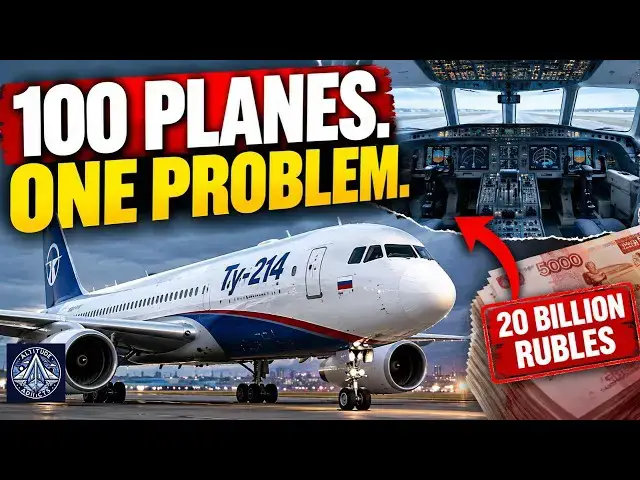
In September 2026, Russian Deputy Minister of Industry and Trade Gennady Abramenkov explained that Tupolev was prepared to develop a two-pilot version of the Tu-214 if a large, firm contract could be secured. The modification reportedly requires around 20 billion rubles, including engineering work, revised documentation, certification activities, and additional flight testing.
Why does this matter? The existing Tu-214 uses a three-person flight crew, including a flight engineer. A two-pilot cockpit could reduce crew-related operating costs and make the aircraft more attractive to commercial airlines competing with modern narrow-body airliners.
The potential S7 Group deal is central to this story. In February 2026, S7 Group, United Aircraft Corporation and the State Transport Leasing Company signed a memorandum concerning the intended supply of 100 Tu-214 aircraft. However, the memorandum is not a final purchase contract. The parties still need to settle key commercial, financial, and delivery terms.
Meanwhile, Russia's aircraft production ambitions remain substantial. The industry has discussed delivering four Tu-214s in 2026 and eight in 2027. But increasing factory output requires more than manufacturing capacity: it also demands a dependable order book, suppliers, skilled workers, certification, and a sustainable production schedule.
We also examine the significance of the third new Tu-214 reaching the flight-test station, the role of government aircraft orders, and why specialised deliveries alone cannot guarantee large-scale commercial production.
The central question is simple: should Russia invest billions of rubles in upgrading the Tu-214 before airlines commit to buying it, or should production expansion follow guaranteed demand?
This is more than an aircraft story. It is a test of whether Russia can align aircraft engineering, airline economics and industrial investment to build a sustainable domestic commercial aviation programme.
Watch until the end for the key reason the two-pilot cockpit could be the decisive factor in the Tu-214's future.
Sources and background:
Expert interview with Deputy Minister Gennady Abramenkov, September 2026.
Russian Ministry of Transport announcement on the S7 Group, UAC and GTLK memorandum, February 2026.
Reporting on the Tu-214 cockpit conversion, commercial negotiations, and production challenges.
Subscribe for more coverage of Russian aviation, aerospace, aircraft manufacturing, industrial technology, and the future of commercial flight.
#Tu214 #RussianAviation #S7Airlines #Tupolev #AviationNews #RussiaAviation #AircraftProduction #CivilAviation #UnitedAircraftCorporation #KazanAircraftPlant #RussianAircraft #Aerospace #AirlineNews #FlightDeck #AviationIndustry
Be a Member for exclusive privileges - https://www.youtube.com/channel/UCviEFTf1xIPKsjmyF_zvFug/join
Twitter : https://x.com/AltitudeAddicts
Telegram: t.me/altitudeaddicts
Show More Show Less