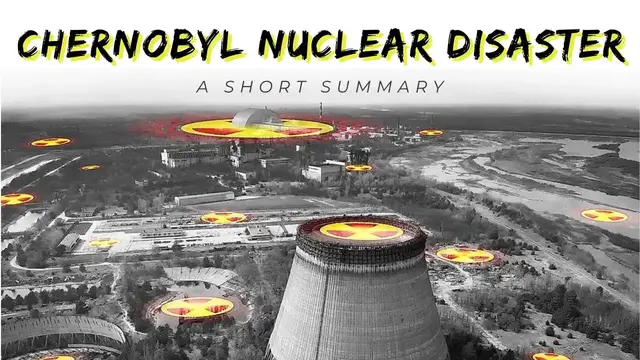

Chernobyl Nuclear Power Plant Disaster 1986.
Nov 3, 2023

The Chernobyl nuclear power plant disaster was a catastrophic nuclear accident that occurred on April 26, 1986, in the city of Pripyat, in the former Soviet Union (now Ukraine). The accident occurred during a routine test of one of the reactors at the plant, which was located about 100 km north of Kiev, the capital of Ukraine.
The disaster was caused by a combination of design flaws in the reactor, human error, and the use of unsafe procedures during the test. The reactor suffered a catastrophic power surge, which caused a steam explosion and a subsequent fire. The explosion and fire released large amounts of radioactive material into the environment, contaminating an area of about 2600 km².
The disaster had immediate and long-term consequences for human health and the environment. The immediate aftermath of the explosion and fire resulted in the deaths of two workers at the plant, and the evacuation of about 116,000 people from the surrounding area. In the years following the disaster, thousands of people developed radiation-related illnesses, including cancer, and many died as a result.
The Chernobyl disaster also had significant environmental impacts. The release of radioactive material into the environment led to the contamination of soil, water, and air in the surrounding area, and the spread of radiation to other parts of Europe. The disaster also had economic and political consequences, contributing to the eventual collapse of the Soviet Union.
The Chernobyl disaster is considered one of the worst nuclear accidents in history, and it led to significant changes in nuclear safety regulations and practices around the world. The disaster highlighted the importance of robust safety measures in nuclear facilities, and the need for transparency and accountability in the nuclear industry.
Show More Show Less #Books & Literature
#Energy & Utilities
#Nuclear Energy
#Accidents & Disasters