Up next in 10

Effective home remedies for head lice: https://ehomeremedies.com/hair-care/home-remedies-head-lice/
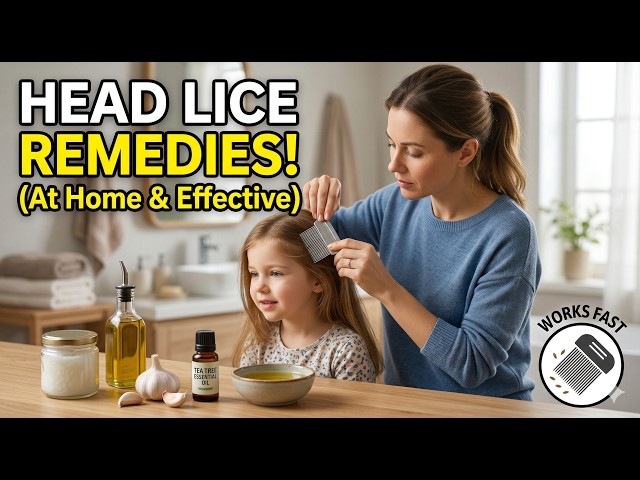
The Rise of "Super Lice": Why Over-the-Counter Treatments Are Failing Did you know that 98% of head lice in some U.S. regions have developed genetic resistance to common drugstore treatments? Discover the hidden costs and frustrations of the DIY cycle, where failed $15 kits quickly snowball into hundreds of dollars in missed work, unnecessary household cleaning, and repeat purchases. Learn the science behind pesticide-resistant "super lice" and uncover the prescription medications, dimethicone treatments, and professional clinic alternatives that actually guarantee a cure.
Show More Show Less View Video Transcript
0:00
There is a specific kind of dread that
0:02
sets in when a crumpled slip of paper
0:04
comes home from school. Someone in class
0:07
has head lice. Instantly, your scalp
0:10
starts to itch. This panic is triggered
0:12
by pediculous humanis.
0:15
These tiny parasites have spent
0:17
millennia evolving highly specialized
0:20
claws to navigate our hair strands and a
0:22
waterproof glue to cement their eggs
0:24
right next to our warm scalps. For
0:27
decades, the standard response was a
0:29
quick trip to the pharmacy for chemical
0:30
neurotoxins. But that strategy is
0:33
failing. Across the globe, populations
0:36
of super lice have developed genetic
0:38
mutations that make them highly
0:39
resistant to standard over-the-counter
0:41
pesticides. To defeat an insect that has
0:44
outsmarted modern chemistry, we return
0:46
to the apothecary. Traditional herbalism
0:49
offers a biological approach, a
0:51
multi-step botanical protocol that
0:53
neutralizes the infestation without
0:55
harsh synthetics. By studying exactly
0:58
how breathes, grips, and reproduces, we
1:02
can deploy nature's own defenses to
1:04
suffocate, disrupt, and physically
1:06
extract the invaders. The protocol
1:09
begins with a heavy physical barrier. We
1:11
start by thoroughly coating the hair and
1:13
scalp in thick viscous carrier oils like
1:16
coconut, olive or sweet almond. Lice
1:19
breathe through tiny abdominal tubes
1:21
called spiracles. Saturating the hair
1:24
with heavy oil physically plugs these
1:26
respiratory entry points. Because lice
1:28
can slow their metabolisms to survive
1:30
without fresh air, the oil must remain
1:33
on the scalp overnight to ensure
1:34
complete suffocation. Alongside these
1:37
heavy oils, traditional practices often
1:39
incorporate acidic kitchen staples like
1:41
lemon juice or vinegar. These liquids
1:44
cleanse the follicles and maintain the
1:45
scalp's pH, creating an inhospitable
1:48
environment for the insect. Then there
1:50
is neem oil pressed from the seeds of
1:52
the neem tree. This oil contains an
1:54
active compound called acidactin. When a
1:57
louse absorbs this compound, it disrupts
2:00
their hormonal system, interfering with
2:02
their ability to feed and preventing
2:04
young nymphs from maturing. This thick,
2:07
suffocating mask stops the active spread
2:10
and halts the breeding cycle of the
2:12
existing population. Phase 2 targets the
2:16
insect's nervous system. We use highly
2:19
concentrated aromatic plant extracts
2:21
like tea tree, peppermint, and
2:23
eucalyptus essential oils. Many aromatic
2:26
plants synthesize volatile chemical
2:28
compounds known as turpenoids such as
2:31
turpin for all specifically to serve as
2:34
natural insecticides against pests in
2:36
the wild. When heavily diluted in a
2:39
carrier oil and applied to the scalp,
2:41
this intense botanical aroma overwhelms
2:44
the louse. It stuns their nervous
2:46
system, rendering them completely
2:48
sluggish and immobile. This leads to a
2:51
crucial secondary effect. As the stunned
2:54
insect loses muscle control, the
2:56
mechanical tension in their highly
2:58
specialized claws releases, leaving them
3:00
unable to grip the hair follicle.
3:03
Eucalictus is particularly valuable
3:05
here. It is high in sine, a powerful
3:08
camperous compound that acts as a
3:10
repellent lice actively avoid. While
3:13
these botanical oils kill or stun the
3:15
adults, they are ultimately preparing
3:17
the hair for the final most critical
3:19
step, physical removal. We have to talk
3:22
about the nets. A female louse glues her
3:25
eggs to the base of the hair shaft
3:27
encased in a hardened kitan shell that
3:29
is impervious to almost all oils and
3:31
chemicals. If you leave a single viable
3:33
egg behind, the infestation will restart
3:36
in a matter of days. This makes wet
3:39
combing the reliable way to finish the
3:41
job. This requires a specific tool kit.
3:44
A micro grooved metal net comb,
3:46
highintensity lighting, and a bowl of
3:48
water to clean the tool between passes.
3:50
To protect the hair, traditional
3:52
herbalists use slip agents. Rinsing with
3:54
slippery botanical mixtures like
3:56
marshmallow root tea or flax seed gel
3:58
helps detangle the strands and allows
4:00
the metal teeth to glide freely. Then
4:02
working section by section, you drag the
4:05
tightly packed metal teeth from the
4:07
absolute root of the hair all the way to
4:09
the tip, physically scraping knits away
4:12
from the hair shaft. By dragging the
4:14
next generation off the hair shaft
4:16
before they hatch, we ensure the
4:18
infestation actually ends rather than
4:21
simply resetting. Because it is
4:23
incredibly easy to miss a microscopic
4:25
egg, the protocol must be repeated every
4:28
3 to 4 days for a full 2 weeks. This
4:30
catches any nymphs that manage to hatch
4:32
between sessions. Once the hair is
4:35
clear, the goal shifts to prevention.
4:37
This is where we construct a botanical
4:39
scent barrier, a daily aromatic mist
4:42
designed to prevent new lice from
4:43
hitching a ride. You can create a simple
4:46
defense spray by mixing water with just
4:48
a few drops of highly repellent
4:50
essential oils like peppermint,
4:52
rosemary, or citronanella. A light mist
4:54
on the hair and hats before school
4:56
creates a deterrent barrier. To us, it
4:59
smells fresh and clean, but to a louse,
5:02
it is an olfactory warning to stay away.
5:05
Headlights are an ancient nuisance, but
5:08
they do not require panic. By turning
5:10
treatment into a mindful botanical
5:12
ritual, families can reclaim control
5:15
over their health and their home.
#Pest Control
#Alternative & Natural Medicine