
Up next in 10

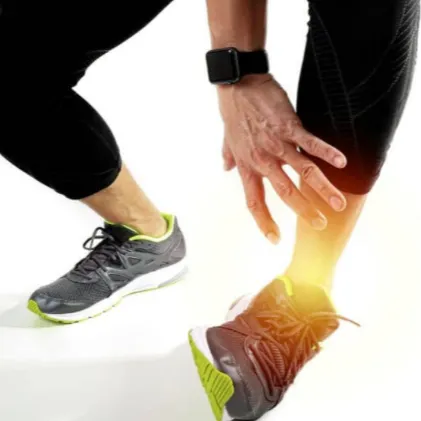
Read the complete article at http://www.foot-pain-explained.com/Charcot_foot.html
Learn about the dangers of Charcot foot.
@marcbarry1000
Show More Show Less View Video Transcript
0:00
shco foot also known as sharco
0:03
osteoarthropathy or neuropathic joint
0:06
disease what is sharco foot this
0:09
condition is a chronic progressive and
0:11
destructive process that affects the
0:13
bones and joints of the foot what causes
0:16
sharco foot today in the industrialized
0:20
World diabetes is the number one cause
0:22
of sharco foot the problem is due to
0:25
lack of proprioception the inability to
0:28
feel the ground that you are walking on
0:31
stages of shco foot progression the shco
0:35
foot disease process is generally broken
0:37
down into three
0:39
stages stage one is the acute
0:41
destructive stage which is typically
0:43
characterized by profound swelling of
0:45
the foot increased temperature and
0:47
increased redness actually due to
0:49
increased circulation to the foot which
0:52
often mimics infection the acute stage
0:55
is the most critical in terms of
0:57
treatment in other words the earlier
1:00
treatment is initiated the less damage
1:02
that will result stage two is often
1:05
referred to as the Subacute stage
1:08
evidence during this stage is reduced
1:10
edema reduced temperature and redness
1:13
and the absorption of the bone and
1:15
cartilage fragments along with healing
1:17
of any
1:18
fractures stage three is then referred
1:20
to as the chronic stage the body trying
1:23
to further remodel the foot in an effort
1:26
to stabilize the foot and restore joint
1:28
and Bone function car characterizes this
1:31
stage the problem here is that the
1:33
damage has already been done the Damage
1:36
Done consists of a foot that no longer
1:38
functions in a normal gate cycle because
1:41
of the abnormal shape of the foot there
1:43
is usually excessive pressure points on
1:46
the skin that will eventually break down
1:48
and ulcerate out prevention of shco foot
1:52
early detection and treatment is the key
1:54
to avoiding excessive damage inspecting
1:57
your feet regularly for any abnormal
2:00
appearance of swelling is important
2:02
regular medical checkups from both your
2:04
medical doctor and podiatrist is equally
2:07
important in the case of suspected shco
2:10
foot should you notice a difference
2:12
between your two feet shco usually
2:15
occurs in one foot such as one foot is
2:17
more swollen warmer to touch or more red
2:20
than the other foot this should be
2:21
brought to the immediate attention of
2:23
your doctor treatment for a shco foot
2:27
casting and immobilization treatment
2:29
consists of immobilization and if
2:31
possible non-weight bearing on the
2:33
affected foot in an effort to curtail
2:35
any further
2:36
destruction we use what is known as a
2:38
total contact cast which is cast or boot
2:41
that is molded to the bottom of the foot
2:43
to provide even distribution of body
2:45
weight over the entire bottom of the
2:47
foot and therefore to create even
2:49
pressure on the foot to prevent further
2:51
breakdown depending on the acuteness of
2:54
the stage and other factors such as
2:56
inadequate blood sugar control obesity
2:58
and patient compli cents total contact
3:01
casting may be necessary anywhere from 6
3:04
weeks to several months medication in
3:07
addition to immobilization a class of
3:09
drugs known as bif phosphinites
3:11
pamidronate are being used intravenously
3:14
to help heal the bone fractures that
3:16
occur medication would be used during
3:19
the first two phases of the disease bone
3:22
stimulators in addition to medication
3:24
there has been some experimentation with
3:26
bone stimulators to also heal the
3:29
pathological fractures that occur this
3:32
would also be indicated during the first
3:34
two phases of shco foot molded shoes
3:37
treatment for the end result of the
3:39
Damage Done usually requires special
3:41
shoes that are molded to the newly
3:43
deformed foot in an effort to protect
3:44
bony protrusions and to prevent further
3:47
breakdown even though the inflammatory
3:50
part of the disease has diminished we
3:52
now are left with a poorly functioning
3:54
foot which in itself is subject to
3:56
further
3:57
breakdown surgery if there are parts of
3:59
the foot that are left severely deformed
4:02
many times surgical intervention will be
4:04
indicated in an effort to remove any
4:06
excess bony prominences and to fuse any
4:08
weakened joints to prevent further
4:10
degradation of the foot most of the
4:13
resulting problems are located on the
4:14
bottom of the foot for the complete
4:17
article visit
4:20
www.f t-p a n- x p a i n d.com c RC o
4:27
tore F t. HTML
#Diabetes
#Science