Up next in 10

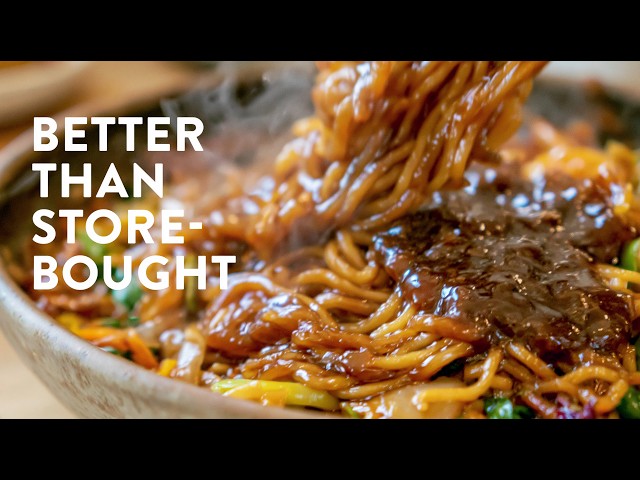
Welcome back to the kitchen! Today, we're making a fantastic explainer on how to make a quick, homemade yakisoba sauce, based on Chef Taha Ayed's brilliant recipe. This easy recipe is perfect for anyone looking to create a bold, sweet, and salty flavor for their fried noodles. Watch this cooking video to learn how to make this delicious sauce!
👉 https://www.dailysavoryrecipes.com/yakisoba-sauce-homemade-recipe-guide/
Show More Show Less View Video Transcript
0:00
Hey everyone, and welcome back to the
0:01
kitchen. Today, we're tackling an
0:03
absolute comfort food classic, and we've
0:05
put together a really fantastic
0:07
explainer for you. We're going to build
0:08
a quick 5-minute homemade yakisoba
0:11
sauce, and this is completely based on a
0:13
brilliant recipe by Chef Taha Ayed. If
0:15
you've ever felt totally underwhelmed by
0:17
those kind of flat-tasting store-bought
0:19
bottled sauces, you're in the right
0:21
place, because this is a total
0:22
game-changer. This homemade version is
0:25
bold, it's sweet, it's salty, and it is
0:27
absolutely going to bring incredible
0:29
vibrant flavor straight to your dining
0:31
table. In this explainer, we'll quickly
0:33
cover the flavor profile, our five
0:35
essential ingredients, the mixing
0:37
method, flavor adjustments, serving
0:39
ideas, and storage. Let's get right into
0:41
it. Section one, the yakisoba flavor
0:45
profile, a deep savory street food
0:47
classic. Okay, let's dive into this.
0:50
Yakisoba actually has deep Chinese
0:52
roots, but it's evolved to become an
0:54
absolute staple in Japanese home cooking
0:57
and festival food culture. So, what
0:59
exactly is it? Well, it's a Japanese
1:01
stir-fry sauce with a really deep sharp
1:04
flavor that's driven by a sort of smoky
1:06
acidity. If you're trying to imagine it,
1:08
it sits perfectly right in the middle
1:10
between your sweeter teriyaki sauces and
1:12
your thicker fruitier tonkatsu sauce.
1:15
Now, this sauce has a very specific job
1:17
to do. It has to season your noodles,
1:19
your vegetables, and your proteins
1:21
incredibly fast over very high heat. And
1:24
crucially, it has to do all of that
1:26
without turning everything watery in the
1:27
pan. That's exactly why taking control
1:30
and making a homemade batch is so
1:32
essential. Moving on to section two,
1:35
five essential pantry ingredients, the
1:36
perfect mise en place.
1:38
You really don't need a complicated
1:40
setup for this. In fact, all we need is
1:42
a bowl, a whisk, and five simple pantry
1:44
staples to build our perfect flavor
1:46
base. Here are the exact measurements
1:48
you're going to need. 7 Tbsp of
1:50
Worcestershire sauce, 3 Tbsp of oyster
1:53
sauce, 2 Tbsp of ketchup, 1 and 1/2 Tbsp
1:56
of soy sauce, and 1 and 1/2 Tbsp of
1:58
sugar.
1:59
Now, you might be looking at that list
2:00
and thinking, "Ketchup?" It's a bit
2:03
unexpected in a Japanese stir-fry sauce,
2:04
right? But, it's actually our secret
2:06
weapon here.
2:08
The ketchup adds essential body to the
2:09
sauce, and it really softens the sharp
2:11
edges of the Worcestershire sauce
2:13
without making the final product taste
2:14
anything like tomato sauce. It just
2:16
smooths the whole thing out beautifully.
2:18
All right, section three, step-by-step
2:21
mixing method, achieving smooth, glossy
2:23
perfection.
2:25
Let's seamlessly transition right into
2:27
the mixing phase. While this entire
2:29
process genuinely only takes about 5
2:31
minutes, the order of operations truly
2:34
matters if you want the best result.
2:36
First, you're going to add your oyster
2:37
sauce, ketchup, soy sauce, and sugar to
2:40
a mason jar or a medium bowl.
2:42
Actually, make sure you don't dump
2:43
everything in at once. Hold off on the
2:45
Worcestershire for just a second.
2:47
Step two is absolutely critical. Whisk
2:50
this mixture until the sugar dissolves
2:52
completely. There is real science to
2:54
this. If you don't whisk the sugar early
2:56
and let it dissolve in these thicker
2:57
ingredients, it's just going to sink
2:59
right to the bottom. If that happens,
3:01
your final pan of noodles will end up
3:03
with totally uneven flavor and these
3:04
random sweet spots, which is a common
3:06
mistake you definitely want to avoid.
3:08
Once that sugar is completely dissolved,
3:10
step three is to pour in the
3:12
Worcestershire sauce last. Finally, just
3:14
give it all another good whisk until
3:16
it's fully combined, smooth, and glossy.
3:18
So, what are we looking for here? Your
3:20
texture goal is a consistency somewhere
3:22
between thin soy sauce and thick
3:24
barbecue sauce. It should be thin enough
3:26
to pour easily out of the jar, but
3:28
slightly thickened up thanks to the
3:29
ketchup and oyster sauce. And here is a
3:31
fantastic tip directly from Chef Taha.
3:33
When you taste this mixture straight
3:34
from the bowl, it is going to taste
3:36
very, very bold. Do not let that scare
3:38
you. Sauces for stir-fried noodles
3:40
absolutely need that intense flavor up
3:42
front because once they hit the high
3:44
heat in the pan, those flavors are going
3:46
to dull really quickly.
3:48
This brings us to section four, tasting
3:50
and adjusting flavor, mastering the
3:52
ratios, and troubleshooting. Since
3:54
different brands of ketchup and soy
3:56
sauce can slightly shift the sweetness
3:57
or acidity of your base, doing a quick
4:00
taste test is absolutely crucial before
4:01
you go pouring the stuff all over your
4:03
beautiful noodles.
4:04
Now, what's really interesting about
4:05
this is the delicate heavy-lifting
4:07
balance happening right in your bowl. If
4:09
you use too much of that rich oyster
4:10
sauce, the mixture becomes heavy and
4:12
muddy, and you totally lose that bright
4:14
street food edge. On the flip side, if
4:16
you overdo the sharp Worcestershire
4:17
sauce, the whole thing starts tasting
4:19
really thin and overly acidic. The magic
4:21
of this recipe is entirely in balancing
4:23
that richness with the smoky acidity.
4:25
And remember, your nose is just as
4:27
important as your palate here. You
4:29
should absolutely rely on smell. You're
4:32
looking to hit a tanginess first,
4:34
followed by a deeper savory note right
4:36
underneath it. Give it a smell. If it
4:38
hits you as overly sharp, no problem.
4:40
Just add a tiny touch more ketchup to
4:42
soften things up. Or if it feels
4:44
slightly too sweet, you can easily
4:46
course-correct by splashing in a little
4:47
more soy sauce. It is a wonderfully
4:50
forgiving recipe if you just take a
4:51
quick moment to test it.
4:53
Let's dive into section five, serving
4:55
ideas and uses beyond basic noodles.
4:59
Now that you have this beautiful glossy
5:01
sauce, let's explore how incredibly
5:04
versatile it can be for quick weeknight
5:05
meals. Take a look at these
5:07
mouth-watering uses.
5:09
If you're leaning more towards a
5:10
vegetable yakisoba, pay close attention
5:12
to your texture cues. Cook your cabbage
5:14
and mushrooms until the edges just start
5:16
browning to really bring out that deep
5:17
savory flavor. Want to try something
5:20
really fun? Try yakisoba pan. This is
5:23
where you literally serve the stir-fried
5:24
noodles right inside a soft bun. I know
5:27
it sounds wonderfully messy, but it is
5:29
absolutely worth it. If you're swapping
5:31
in glass noodles for a softer texture,
5:33
make sure you don't over soak them
5:35
beforehand, otherwise they're just going
5:36
to break apart and turn to mush during
5:38
the stir-fry. And finally, never
5:40
underestimate this sauce's power to
5:42
rescue leftover rice. Just a spoonful
5:44
easily turns plain sad rice into an
5:46
incredible quick skillet meal.
5:49
Finally, we reach section six, storing
5:51
your homemade sauce, keeping the flavor
5:53
bright.
5:55
Let me walk you through these storage
5:56
rules real quick so you can save those
5:58
extra batches for future dinners. First
6:00
up, always transfer your sauce to a
6:01
clean mason jar or an airtight
6:03
container. You can safely pop this in
6:05
the fridge for up to 1 month, though you
6:07
should keep in mind that the flavor,
6:09
especially that sharp brightness from
6:10
the Worcestershire, is at its absolute
6:12
peak during the first 2 weeks. Be sure
6:15
to give the jar a really good shake
6:16
before each use since it's totally
6:18
normal for these heavier ingredients to
6:19
settle at the bottom over time. Oh, and
6:21
a major warning here, do not freeze this
6:24
sauce. Freezing completely ruins the
6:26
emulsion. The texture will just separate
6:28
when it thaws and you'll completely lose
6:29
that perfect flavor balance we just
6:31
worked so hard to build. Since it
6:32
literally only takes 5 minutes to whisk
6:34
up, making it fresh is honestly always
6:37
your best choice.
6:38
I absolutely love this quote from Chef
6:40
Taha Ayad. He says, "Every recipe I
6:43
share is an invitation from my kitchen
6:45
to yours." This one just happens to
6:47
start with a whisk and a jar. It's such
6:49
a warm, welcoming thought, isn't it? It
6:51
just reminds us that cooking really
6:53
doesn't have to be complicated to be
6:55
incredibly delicious and empowering.
6:57
That simple, approachable idea is
6:59
exactly why we love breaking down
7:01
recipes like this in our explainers. So,
7:04
I'm going to leave you with this
7:05
thought. Now that you know the secret
7:07
ratio and the simple technique behind
7:08
this bold flavor, are you ever going to
7:11
settle for flat bottled sauce again? I
7:13
highly encourage you to grab a whisk,
7:15
find a jar, and immediately elevate your
7:17
next weeknight meal. Thank you so much
7:19
for hanging out with me for this
7:20
explainer, and happy cooking.
#Arts & Entertainment