Up next in 10

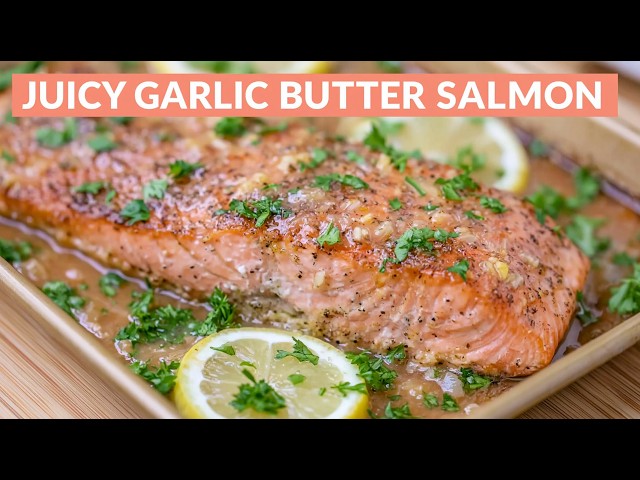
Welcome to This Explainer! Today, we're making Chef Taha Ayyad's sheet pan lemon garlic salmon, a truly delicious and healthy dinner recipe. This easy recipe uses a simple foil packet method for flawlessly juicy results, making it perfect for weeknight dinner. Learn how to cook salmon that's flavorful and easy, with minimal cleanup!
👉 https://www.dailysavoryrecipes.com/sheet-pan-lemon-garlic-butter-salmon/
Show More Show Less View Video Transcript
0:00
Welcome to this explainer. I am
0:02
absolutely thrilled you're here today
0:03
because we are heading straight into the
0:05
kitchen to tackle a total dinner
0:07
classic. We're going to walk
0:09
step-by-step through Chef Taha Ayad's
0:11
brilliant recipe for sheet pan lemon
0:14
garlic butter salmon.
0:15
Seriously, if you've been on the hunt
0:17
for a flawlessly juicy weeknight meal
0:19
that, you know, doesn't require a
0:21
culinary degree or leave you with a
0:22
massive sinkful of dishes, you have
0:24
totally found it. Just think of me as
0:26
your personal kitchen mentor today as we
0:28
unpack exactly how and why this recipe
0:31
works so incredibly well.
0:33
Okay, let's just dive right into this.
0:35
We've all been there, right? You buy
0:37
this gorgeous expensive piece of fish,
0:39
you put it in the oven, you get
0:41
distracted for maybe just a minute or
0:43
two, and suddenly uh, you're pulling out
0:45
this chalky, dry, totally unappetizing
0:48
piece of protein. It is literally the
0:50
most frustrating thing, but the solution
0:53
is actually this beautifully simple,
0:55
foolproof foil packet method that
0:57
basically protects your dinner and
0:59
guarantees a tender, juicy bite every
1:01
single time.
1:03
To get us there, here is our road map.
1:05
We'll quickly cover the perfect
1:06
weeknight salmon, the exact ingredients
1:09
and easy substitutions, the prep and
1:11
that magical foil method, baking,
1:13
broiling, and testing for doneness,
1:15
serving and perfect pairings, and
1:17
finally reheating and storing those
1:19
leftovers. So, jumping right in with
1:21
section one, the perfect weeknight
1:24
salmon, a forgiving and manageable
1:26
dinner method. So, what actually makes a
1:29
recipe truly perfect for, say, a chaotic
1:32
Tuesday night? It's not just the flavor,
1:34
you know? It's the flexibility. This
1:36
method is brilliant because once you
1:38
seal up that foil packet, the oven does
1:40
all the heavy lifting. You absolutely do
1:43
not have to baby sit the stove. As Chef
1:45
Taha Ayad perfectly captures here, the
1:47
salmon cooks gently inside the foil
1:49
packet, the butter keeps everything
1:51
moist, and the lemon cuts through the
1:53
richness. What this means for us is that
1:55
the cooking timing is surprisingly
1:56
forgiving. If you accidentally leave it
1:58
in for an extra minute while you're
1:59
frantically setting the table, it's
2:01
fine. The foil keeps all that moisture
2:03
locked right in. Let's move on to
2:05
section two, ingredients and easy
2:07
substitutions, building the lemon garlic
2:10
butter sauce.
2:11
Okay, so a successful dish always starts
2:14
with getting your ingredients organized
2:15
first. Let's take a look at this list.
2:18
We need 1 and 1/2 to 1 and 3/4 lb of
2:20
salmon fillet, one thinly sliced lemon,
2:24
three tablespoons
2:25
two tablespoons each of fresh lemon
2:27
juice and honey, five minced garlic
2:29
cloves, and your trusty basic salt,
2:32
pepper, and fresh parsley. Now, notice
2:34
that salmon specification right at the
2:36
top, skin on. This is absolutely
2:39
essential. The skin acts like thermal
2:41
insulation against the hot sheet pan,
2:42
which helps the fish cook evenly and
2:44
actually holds it together when it gets
2:46
wonderfully tender. And please, don't
2:48
skip mincing that fresh garlic. Garlic
2:50
powder just won't give the butter the
2:51
same depth, and mincing allows it to
2:53
melt beautifully into the sauce instead
2:55
of sitting in harsh little chunks on
2:57
top.
2:58
Now, when we're building this flavor
2:59
profile, a couple of key choices really
3:01
matter. First up, fresh lemon is totally
3:04
not negotiable here. In a recipe this
3:06
simple, every single ingredient needs to
3:08
shine. Bottled juice, it's just going to
3:10
taste flat once it hits that melted
3:12
butter. Whereas fresh lemon slices will
3:14
actively perfume the fish as it bakes.
3:16
It's a game changer. On the flip side,
3:18
if you need a dairy-free substitution,
3:20
you can absolutely use a plant-based
3:21
butter. Just make sure it's formulated
3:23
specifically for cooking so it doesn't
3:25
separate weirdly when mixed with the
3:26
lemon acid, and maybe steer clear of
3:28
those strong coconut flavors cuz they
3:30
will totally overpower the whole dish.
3:32
All right, section three, prep and the
3:35
foil method, constructing the perfect
3:37
steam chamber.
3:38
We've got our ingredients lined up, so
3:40
let's get to where the moisture-locking
3:42
magic actually happens. First, get that
3:44
oven preheated to 375° F.
3:47
Slap a large sheet of foil on your pan
3:49
and put the salmon right in the center,
3:51
skin side down. Step two is a fantastic
3:53
little trick. Tuck those thin lemon
3:55
slices directly underneath the fish.
3:57
This slightly lifts the salmon so it
3:59
doesn't stick, and it infuses flavor
4:00
from the bottom up. Next, melt your
4:02
butter and whisk in your lemon juice,
4:04
honey, and garlic. And hey, just a quick
4:06
note, the honey is just there to soften
4:07
the sharp citrus edge, not to make it
4:09
taste sweet, I promise. Pour 3/4 of that
4:12
gorgeous sauce right over the fish. Save
4:14
a little bit for later. Then, season it
4:15
generously with kosher salt and pepper.
4:17
Seal the foil up nice and tight and just
4:19
let it marinate on the counter for 10 to
4:20
15 minutes. But don't let it sit longer
4:22
than that. If you do, the acid in the
4:24
lemon juice will literally start cooking
4:26
the salmon and break down its texture
4:27
before it even hits the heat.
4:29
So, the absolutely crucial point here is
4:32
understanding exactly why we are
4:33
wrapping this fish up like a little
4:35
present. The foil packet method creates
4:38
this perfectly sealed, humid
4:40
environment. You see, instead of the
4:42
harsh, dry, direct heat of a bare sheet
4:44
pan, which basically blasts the fish and
4:46
cooks the edges way too fast, the heat
4:49
inside the foil circulates super gently.
4:51
It traps the steam from the butter and
4:53
the salmon itself, which vastly slows
4:55
down any moisture loss.
4:57
But wait, before we pop it in the oven,
4:59
I have to share this vital pro tip from
5:01
Chef Taha that will literally save your
5:04
meal. Salmon fillets are notoriously
5:06
uneven, right? They're super thick in
5:08
the middle and super thin at the tail.
5:10
If you just leave that thin tail hanging
5:11
out, it is going to dry out way before
5:13
the thick center is even close to done.
5:16
The easy fix? Just fold or tuck that
5:18
thinner tail portion slightly underneath
5:20
itself so the whole piece of fish is
5:22
roughly the same thickness. It's a tiny,
5:24
tiny adjustment, but man, it makes a
5:26
massive difference in the final texture.
5:29
Moving to section four, baking,
5:31
broiling, and testing, the critical
5:33
moments of cooking.
5:35
Okay, slide that perfectly prepped
5:37
packet into your 375° oven and let it
5:40
bake for about 17 minutes. When that
5:42
timer goes off, carefully pull it out
5:44
and open the top of the foil. Be super
5:46
careful of that escaping steam and make
5:48
sure to keep the foil edges raised up
5:50
like a little boat so your sauce doesn't
5:51
run all over the baking pan. Now, grab
5:54
that reserved butter mixture from
5:55
earlier and spoon it right over the top
5:57
to freshen up the flavor.
5:58
Finally, crank your oven up to high
6:00
broil for 5 to 10 minutes. Now listen,
6:02
this is the one single step where you
6:03
must pay attention. You want the top to
6:05
get lightly golden and caramelized, but
6:07
under a broiler, the jump from
6:08
beautifully golden to totally dried out
6:10
happens incredibly fast. So seriously,
6:13
keep your eyes glued to it.
6:15
So how do we know it's truly perfectly
6:17
done? The absolute most foolproof way is
6:20
to grab a meat thermometer. Hitting an
6:21
internal temperature between 125 and
6:23
130° Fahrenheit in the absolute thickest
6:26
part of the fillet is going to give you
6:27
a beautifully soft, tender texture. And
6:30
remember, you want to pull it out right
6:31
at this temperature because of carryover
6:33
cooking. The fish will actually continue
6:35
to cook slightly from its own residual
6:36
heat even after it's sitting on your
6:38
counter.
6:39
But hey, if you don't have a
6:40
thermometer, visual cues are definitely
6:42
your best friend and we really need to
6:44
clear something up here. Forget the
6:46
outdated idea that salmon must be
6:48
completely pale, opaque pink all the way
6:50
through. If it looks like that, it's
6:52
already overcooked. Perfect salmon
6:54
should flake and separate easily when
6:56
you press it with a fork, but the very
6:58
center should still look just slightly
7:00
glossy and translucent. That's the sweet
7:02
spot.
7:03
Section five, serving and perfect
7:06
pairings, completing the weeknight meal.
7:08
All right, our fish is resting, it's
7:10
smelling incredible and it's looking
7:12
glossy and perfect. You are going to
7:15
have a lot of amazing sauce left in that
7:17
foil boat and you absolutely do not want
7:19
to waste it. You're going to need a
7:20
starch to catch it all. Fluffy rice or
7:23
roasted baby potatoes are totally
7:24
excellent here or honestly, just grab a
7:26
massive slice of warm, crusty bread for
7:28
dipping. For vegetables, since the
7:30
salmon is so rich and buttery, you
7:32
really want sides with a little bit of
7:34
freshness to balance it all out. A nice,
7:36
sharp salad with a vinaigrette is
7:37
perfect or if you're craving a hot side,
7:39
quick roasting vegetables like asparagus
7:41
or green beans are ideal because they
7:43
take basically the exact same amount of
7:45
time to cook as the fish. You can
7:46
actually just slide a second tray onto
7:48
the lower oven rack while the salmon
7:50
bakes.
7:51
Almost done. Section six, reheating and
7:54
storing leftovers, protecting your hard
7:56
work the next day.
7:58
Now, if you are lucky enough to have
8:01
leftovers, they'll keep beautifully in
8:02
the fridge for two to three days, but we
8:05
really need to protect your hard work
8:06
here. The absolute worst thing you can
8:09
possibly do to this beautiful juicy
8:11
salmon is just throw it into a microwave
8:13
on high power.
8:14
Oh man, a microwave will aggressively
8:17
overheat the edges, it'll tighten up the
8:19
proteins, and it will instantly ruin
8:20
that perfect texture you just worked so
8:22
hard to achieve. To reheat it properly,
8:25
just place your leftover salmon in a
8:26
small baking dish. Add a spoonful of
8:28
that leftover buttery sauce, or honestly
8:30
just a tiny splash of water if you're
8:31
out of sauce. Cover it loosely with foil
8:33
and warm it super gently in the oven at
8:35
a low 300° F for about 10 minutes. This
8:38
gentle low heat warms the fish right
8:41
through without squeezing all the
8:42
moisture out of it. Which brings us to
8:44
our final question for today. Are you
8:46
ready to invite this foolproof, glossy,
8:48
totally flavor-packed salmon into your
8:50
own weekly dinner rotation?
8:52
We've seen exactly how the foil packet
8:54
does the heavy lifting, how incredibly
8:56
simple the ingredients are, and exactly
8:58
how to avoid the dreaded dry salmon
9:00
trap. It's a proper fantastic meal that
9:02
feels elegant enough if you've got
9:03
guests coming over, but it's entirely
9:05
manageable for just a regular busy
9:07
Tuesday night. I highly highly encourage
9:10
you to get into the kitchen and give
9:11
this elevated yet super simple technique
9:13
a try. Thank you so much for hanging out
9:15
with me on this explainer, and happy
9:16
cooking.
#Arts & Entertainment