Up next in 10



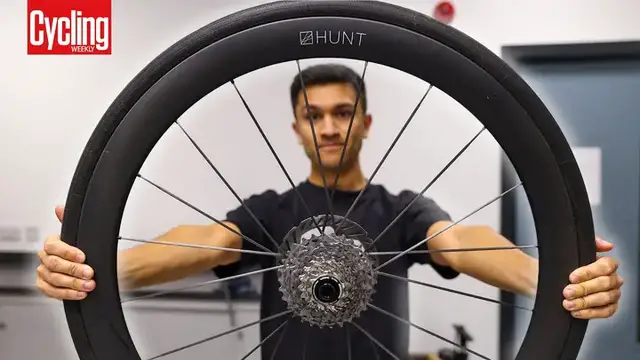
Carbon bike wheels are one of the best upgrades you can make to your road bike, but once you've got them, you'll want to ensure they are fitted correctly. In this video Sam Gupta demonstrates exactly how you go from box to fully fitted and ready to ride. If you follow his steps for fitting your new bike wheels, then you'll be sure to have fitted your wheels correctly and safely.
Show More Show Less View Video Transcript
0:00
People are always saying the first thing you need to upgrade on your bike are the wheels
0:05
For those who have heeded that advice, this video is for you. We're going to tell you how to set
0:10
them up going from boxed to fully fitted. The first step is a pretty easy one. You need to
0:16
unbox them. Happily, most of the packaging wheels come in is recyclable, so be sure to dispose of
0:23
the waste correctly. Make sure you dig out any spares that come with the wheels, and if they're
0:28
loose then keep them together in a sealable bag for safe keeping. Losing these bits can be a real
0:34
pain later down the line. First off, inspect them. Now that you're hands on with your wheels it's
0:40
important to inspect them while they're fresh out of the box and untampered with. Go around both
0:46
wheels and give the spokes a little squeeze just to ensure they're under tension and none of them
0:51
are obviously loose. Next, check the rim tape has been fitted correctly. Runs perfectly straight
0:57
through the middle of the rim and isn't lifting in any areas. If you're going to be setting your
1:02
wheels up tubeless then this part is especially important. Check the wheels are untrue and the
1:07
bearings are smooth. You can do this by spinning the wheel in your hands holding it out and looking
1:12
at the rim to see if it wobbles. You can check the smoothness of the bearings with your hands
1:16
ensure they turn with ease and don't feel loose or grindy. Check the rims for any defects or damage
1:23
This is particularly important if you've bought your wheels secondhand. Check for any scuffs, scrapes, dents or cracks which could jeopardise the structural integrity of the wheels
1:34
If you see something you're unsure about then head to your local bike shop and get a second opinion
1:39
Check the nipple holes are well machined and do not show any signs of cracking or splitting
1:45
And the same goes for the hub. If you are considering buying some secondhand wheels then be sure to check out Hunt Renew programme They will recycle lightly used wheels and put them through a full inspection and refurbishment program by their own technical
1:59
service team, meaning you can not only save a bit of money but also ensure perfectly good components
2:05
get their chance to be ridden. Now that your wheels are unboxed and you're happy with the condition
2:11
they arrived in, we can start to get them set up. First we'll get the tyres on. We've made plenty of
2:16
videos on how to set up either tubes or tubeless tires so i'll leave links to those videos in the
2:22
corner of the screen but in this case i'll be going tubeless next up it's time to fit your
2:27
cassette in this scenario i'm using a shimano cassette and as such i have ordered these wheels
2:33
with a shimano freehub body however if you have a sram group set then be sure to order the sram
2:39
xdr freehub both fit in similar ways although each of them has their own nuances if you're
2:46
fitting an 11 or 12 speed Shimano cassette then simply slide it onto the freehub body like so
2:52
and screw on the lock ring just finger tight for now. From here you'll need to be grabbing some
2:57
tools. Grab a freehub tool and a wrench and fully tighten. Cassette lock rings should be tightened
3:02
to 40 newton meters. Ensure there's no play in the cassette and it is securely attached to the
3:07
freehub body. If you have a 10-speak cassette or lower then you may need to attach an extra shim
3:14
which would sit at the base of the free hub and would need attaching before you install the cassette
3:19
If you have a Campagnolo groupset you'll need a different cassette tool but the process is
3:24
largely the same as fitting a Shimano cassette. We're nearly there with adding components so now
3:31
the last thing to fit before you can get these wheels in your bike are the rotors, that is if
3:36
you're using disc brakes. If you're on rim brakes then you can go ahead and skip to the next step
3:41
Slide your rotors into place ensuring the interface is clean Once again finger tighten the lock ring Now grab your free hub tool insert it into the lock ring and tighten to 40 newton meters using your torque wrench
3:55
Some wheels, like the ones I have here, use a different lock ring that have external splines
4:00
rather than internal ones. If the tool doesn't go in smoothly when you attempt to fit your lock ring
4:06
with internal splines, then it's likely you'll need an externally splined lock ring
4:11
In this case, visit your local bike shop. Your wheels are now ready to be fitted to your bike
4:16
but it's worth taking one last look at them to make sure they are fully ready
4:21
Ensure the tyres are fitted correctly and the bead of the tyre has popped into the rim of the wheel
4:26
Check your rotors are secure if you have them and ensure the cassette is also tight and secure
4:33
Now, offer the wheel up to the bike. I always like to start with the front wheel
4:37
If using rim brakes, ensure the wheel is pointing in the right way and you can do this by checking the rotation arrow on your tyre
4:45
For disc brake users, you'll just need to ensure that the rotor sits in the caliper nicely and then tighten your through axle or quick release
4:52
Again, for quick release users, ensure the wheels have gone in straight
4:56
The best way to do this is to open the lever up while the bike is on the ground as this will ensure the axles are sitting square in the dropouts
5:05
Move over to the rear now and pull the rear derailleur back. Let the chain droop onto the
5:09
cassette and slowly bring it up into the frame, being sure to align the rotor so that it sits
5:15
inside the caliper. Again, pop the thru axle in or fit your quick release. If you haven't already
5:21
now is a good time to set your tyre pressure. You can do that by using the brilliant calculator
5:26
that's found on Zip's website. I've been using it for years and it's worked really well for me
5:31
If you have set your wheels up tubeless then do monitor the pressure in your tyres over the first couple of weeks of having them set up as it will likely deflate a little faster than usual as the sealant settles in However once you past that point they should hold air as well as any tube setup but
5:49
it's always worth keeping an eye on them. Finally there are two key jobs you need to do before you
5:55
set off on your first ride. First ensure your rotors are not rubbing. I like to do this very
6:01
simply by placing something brightly coloured on the floor and then positioning the caliper over
6:06
that surface and looking down through the gap. You'll quickly be able to see if anything is
6:11
rubbing. Ideally what you want is an equal distance between each brake pad and the rotor
6:17
If there is rubbing work out if it's because the rotor is warped or if it's because the caliper
6:23
is misaligned. Caliper misalignment can be easily fixed by slightly loosening the caliper mount
6:28
bolts and then shimming it over into position. This can take a while to do and does require some
6:34
patience so take your time. If you really cannot get it right there is a chance that the caliper
6:39
mounting surface may need to be faced to create a perfectly flat mounting surface. If this is the
6:45
case then go visit your local bike shop. If the rotor has warped then you can realign it using a
6:52
rotor tool but again go careful on this it is easy to overdo it. If the rotor has warped by more than
6:59
a couple of millimeters, then you may want to consider replacement. Lastly, the final job to do
7:05
is to check your gear indexing. There's a myriad of reasons why your indexing may have been thrown
7:10
off, so run through your gears and check they're all working smoothly. If they aren't playing ball
7:16
then go see your local bike shop or watch one of the many videos that we've made on how to fix them
7:22
which again I've linked to in the corner of the screen. That's it, you are done and it's time to go for your first ride
7:30
If you've just upgraded your wheels then let us know what you went for
#sports